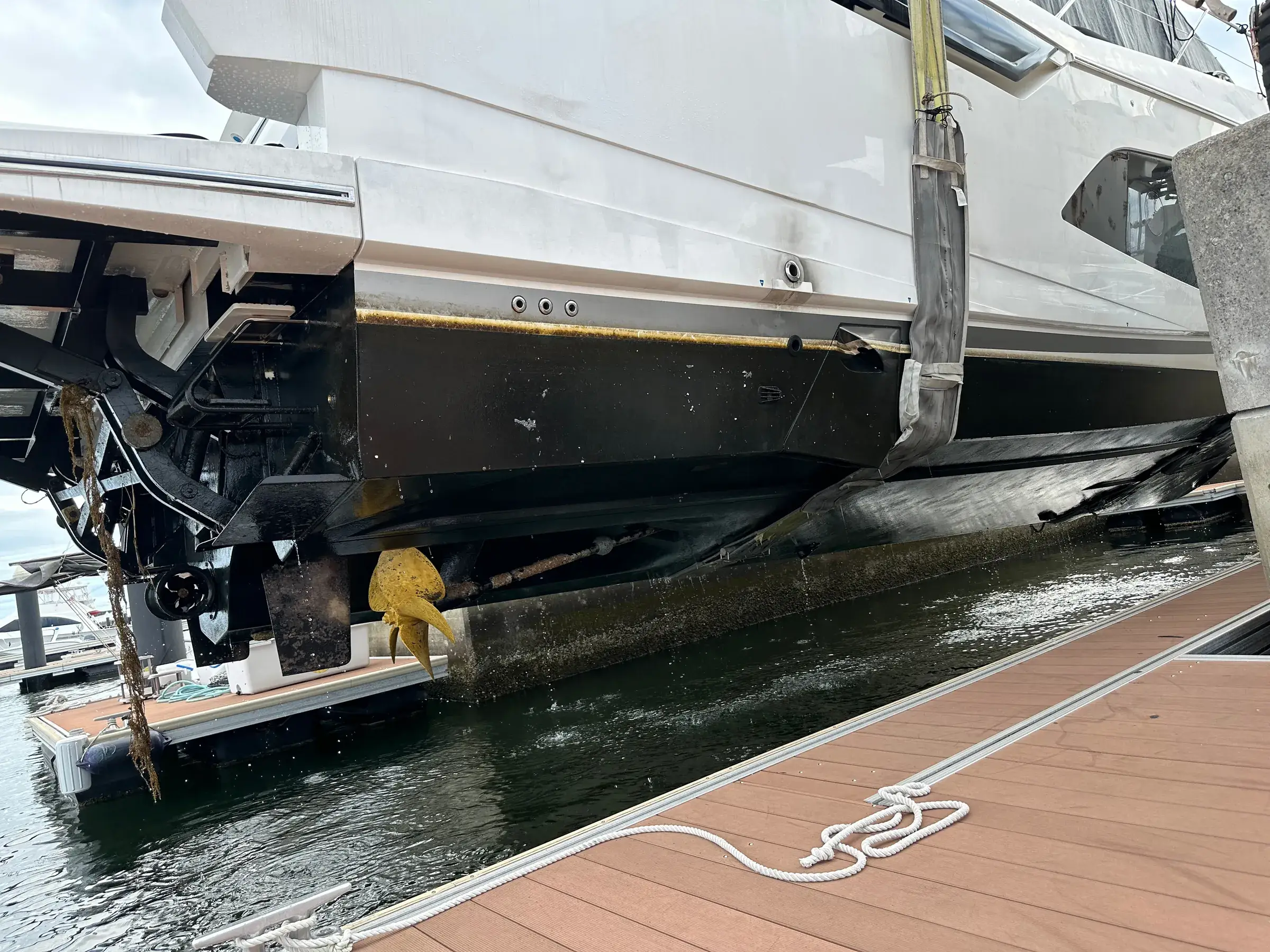
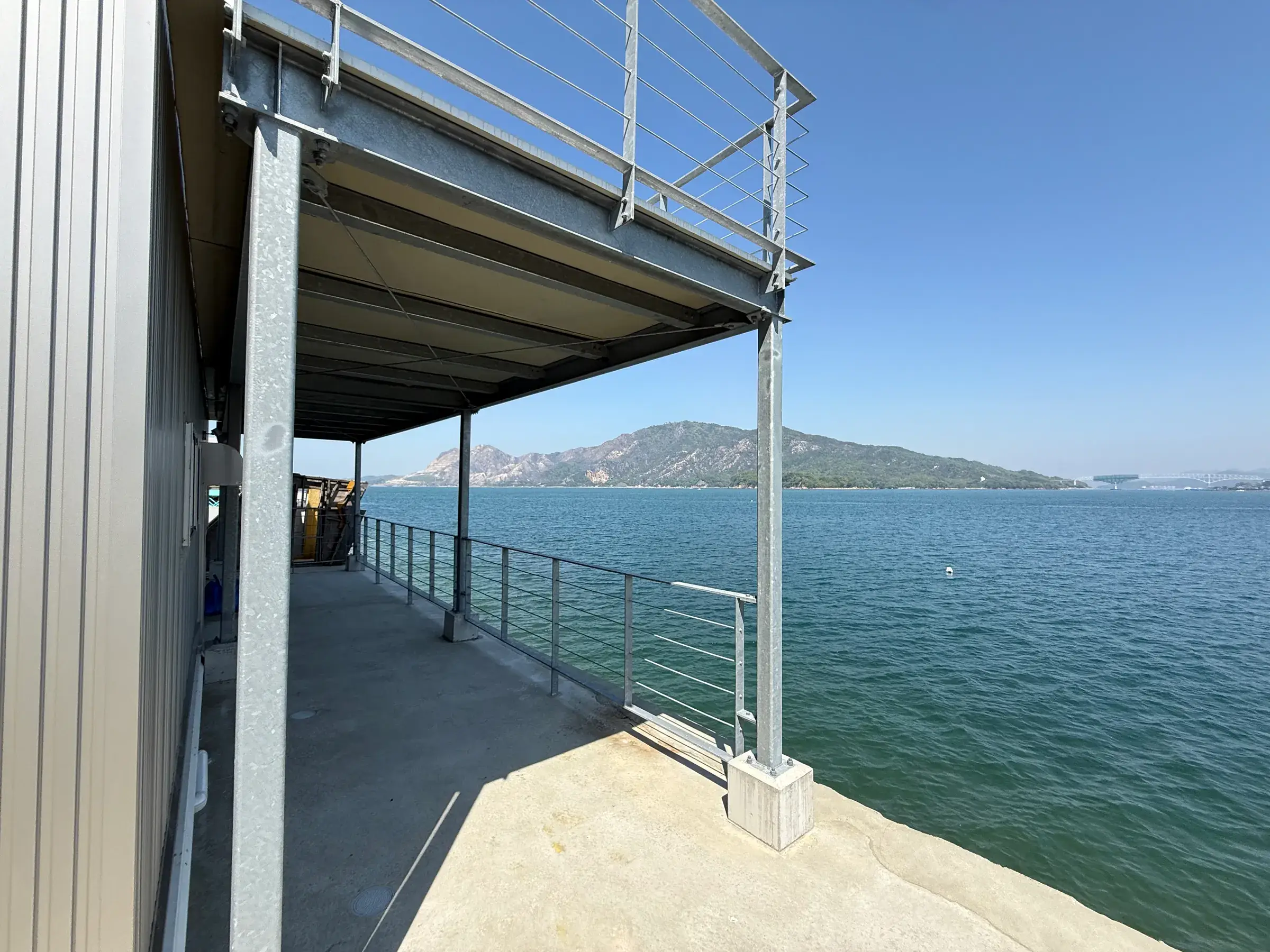
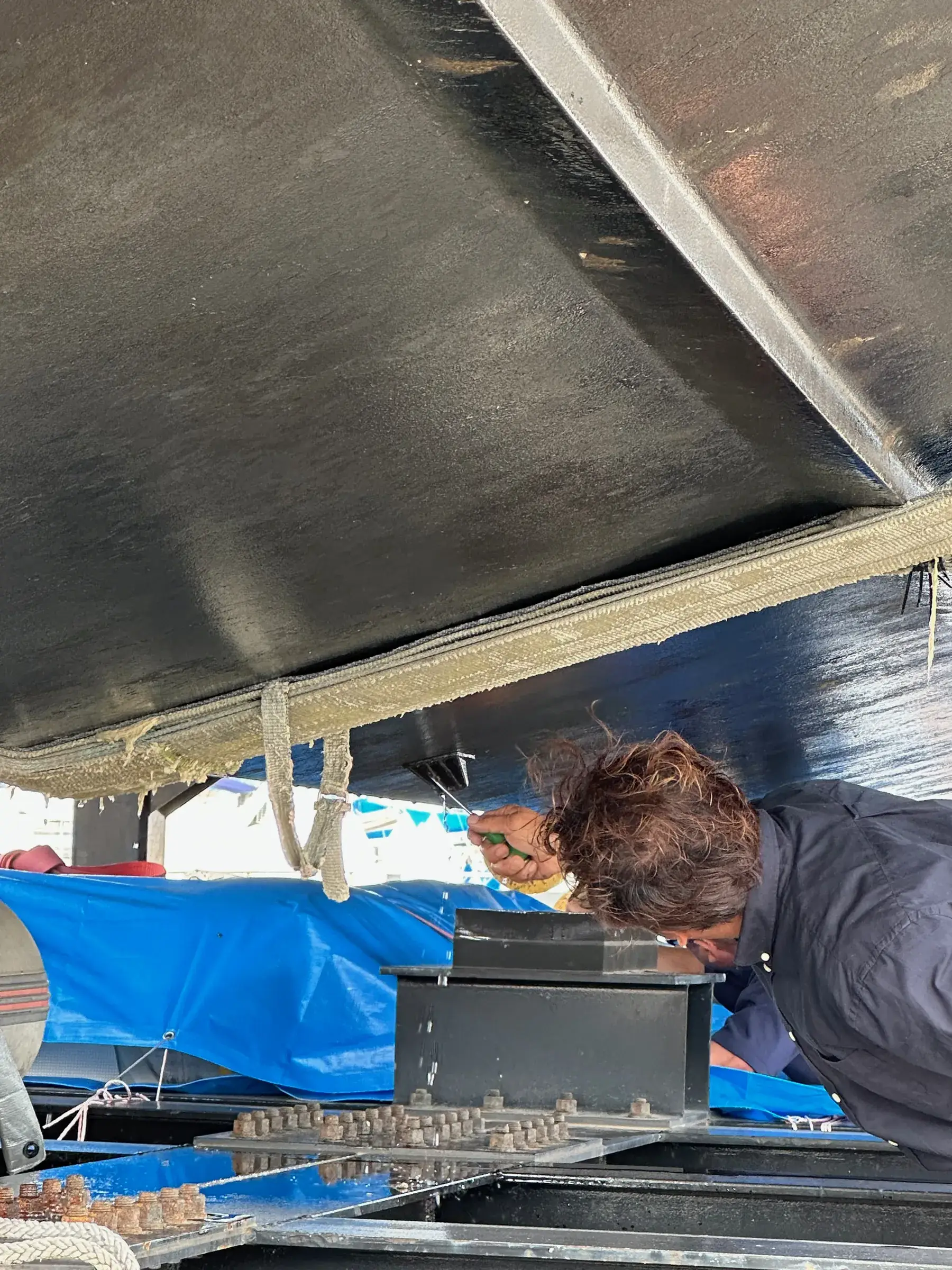
A boat being lifted out of the water, its hull bottom and propeller showing

Ships

Making ship propellers harder for barnacles and algae to grip.

We hold back the barnacles and algae that grow on ship propellers and other parts by working on the material’s surface.

For boat owners, shipyards and marine parts makers

Talk to us about this use

The problem

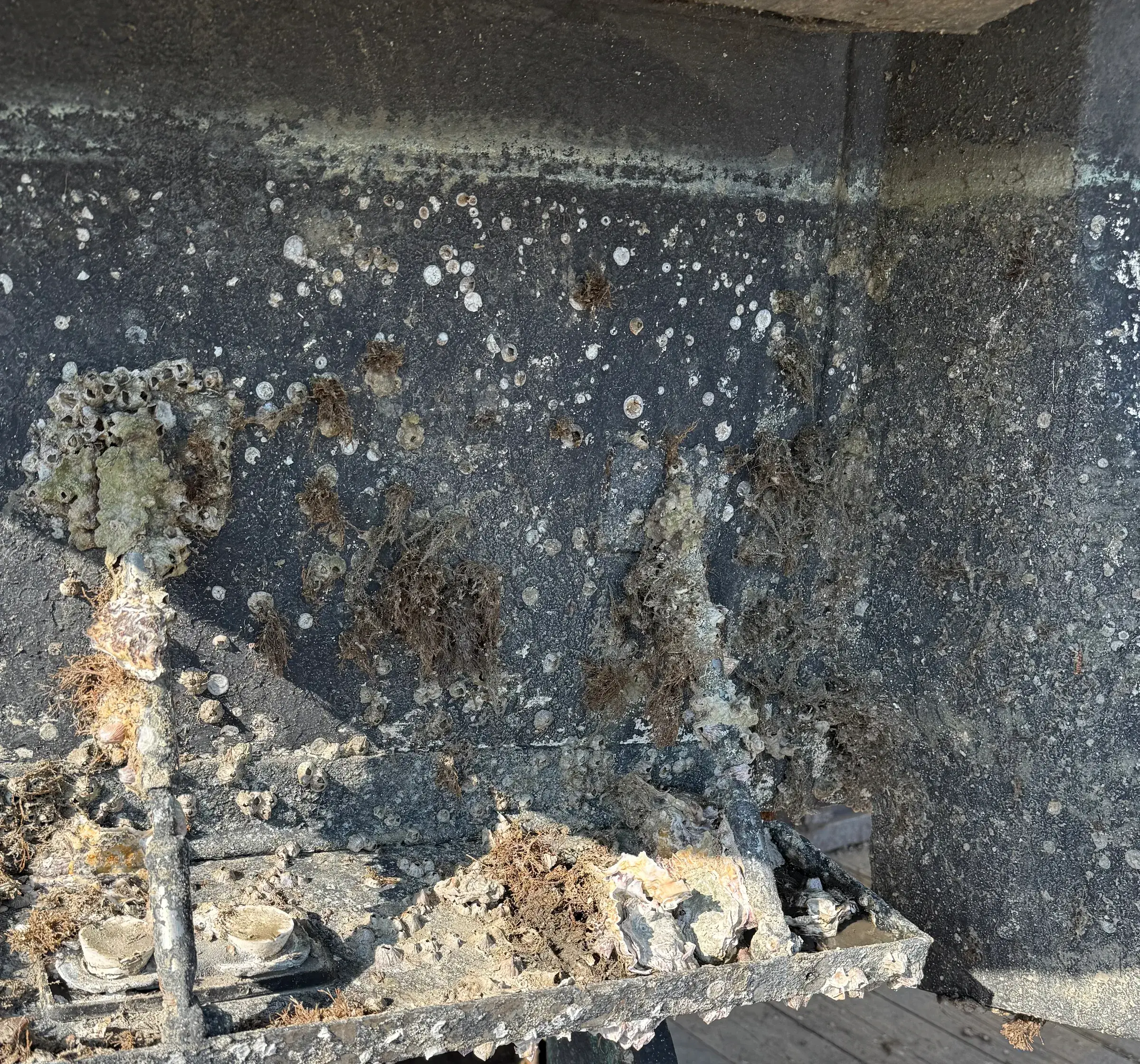
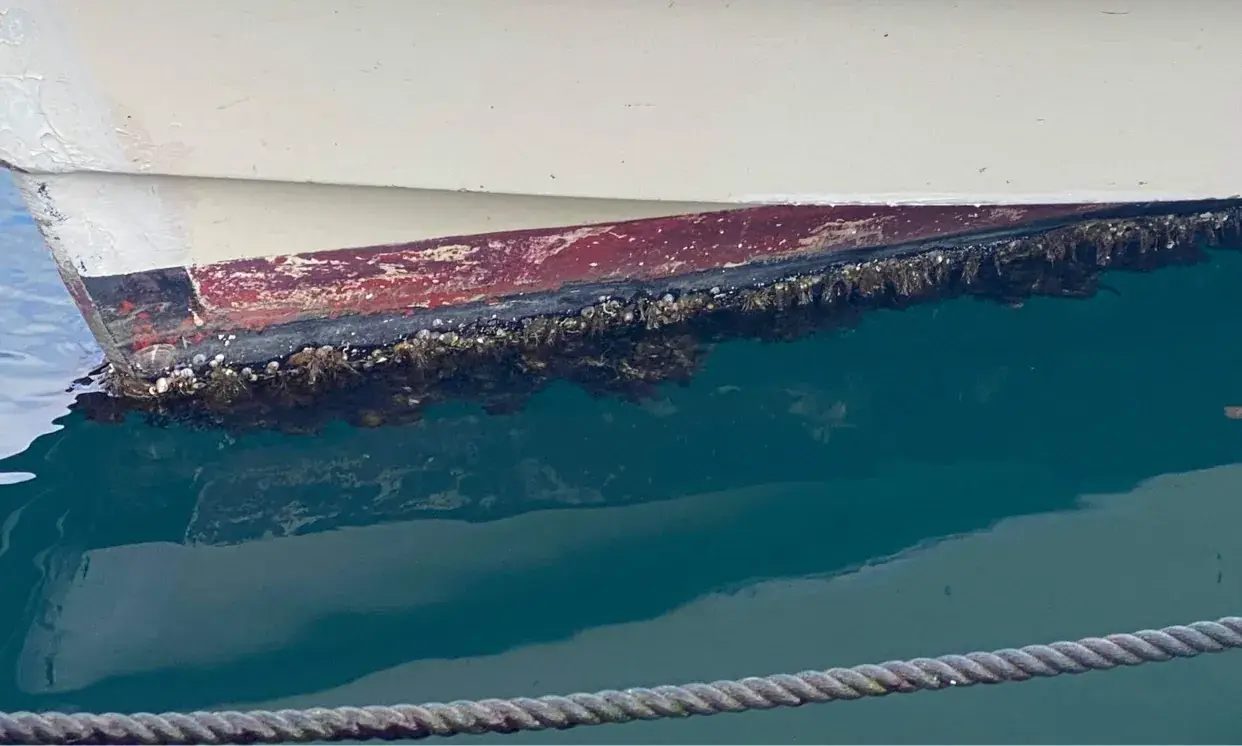
Fouling on a ship’s underwater surfaces is known to increase fuel use (source: IMO). Once barnacles and algae have settled, removing them takes work too.

The bottom of a boat out of the water, thick with shellfish and algae
Kurahashi Island, Kure (April 2025)

What we do

We treat the surface of propellers and other parts with plasma and bond a fluorine-based antifouling agent to it, leaving a surface barnacles and algae struggle to grip. We use no copper, silver or other biocides.

How the treatment works

Ship propellers (brass)

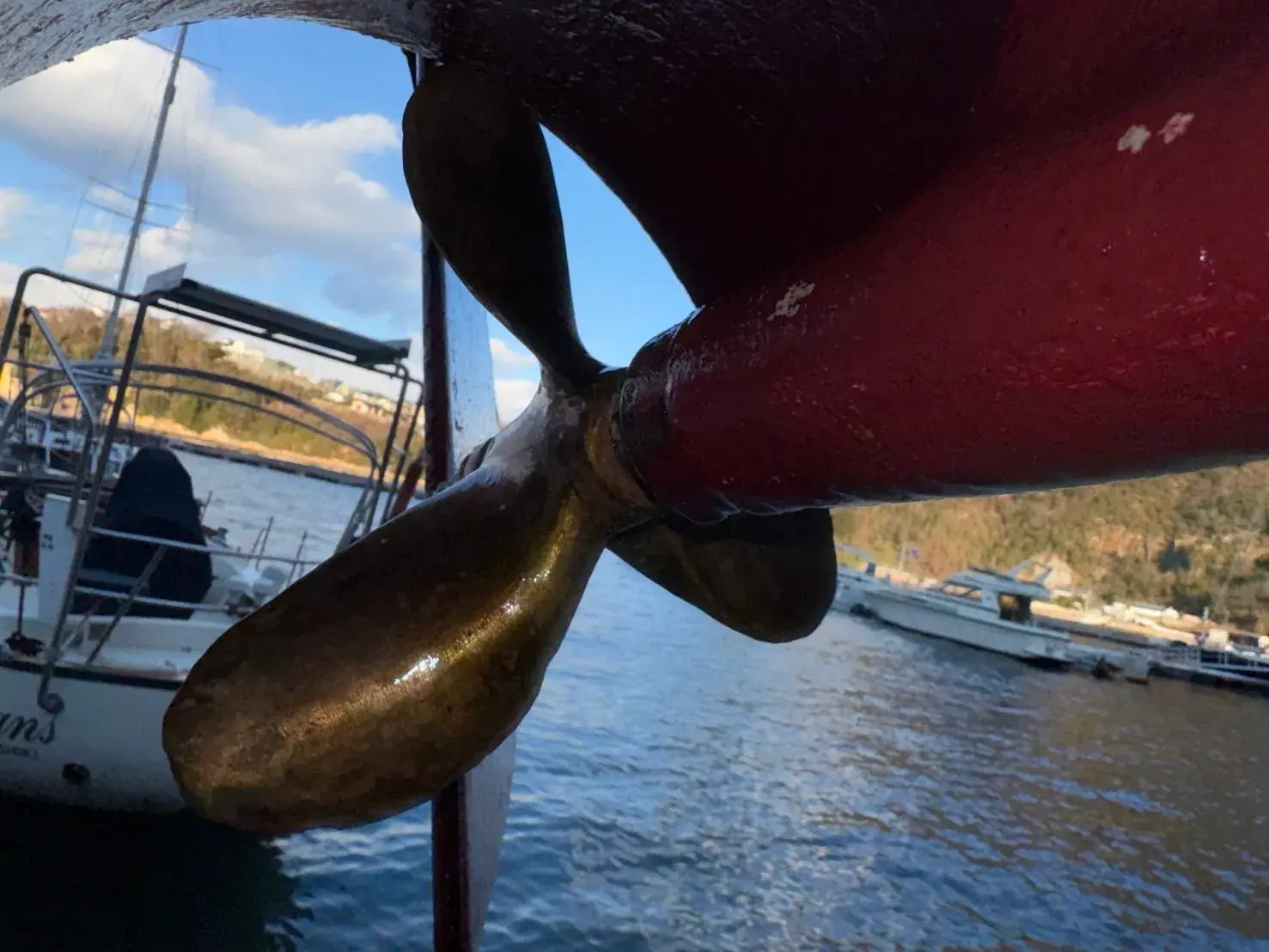
In KAKEN grant 22K04725 (fiscal 2022–2024), led by Professor Kuroda, our technical supervisor, a treated brass propeller was fitted to a boat and tested in the sea at Kure (Marine Craft Kazenoko). The published report says fouling on the propeller was held back; the boat it was fitted to ran almost every day, and part of the treatment wore away within five months.

Source: Published report of KAKEN grant 22K04725

The same test went on after the period of the report; at 12 months, barnacles and algae were taking hold on the propeller less readily.
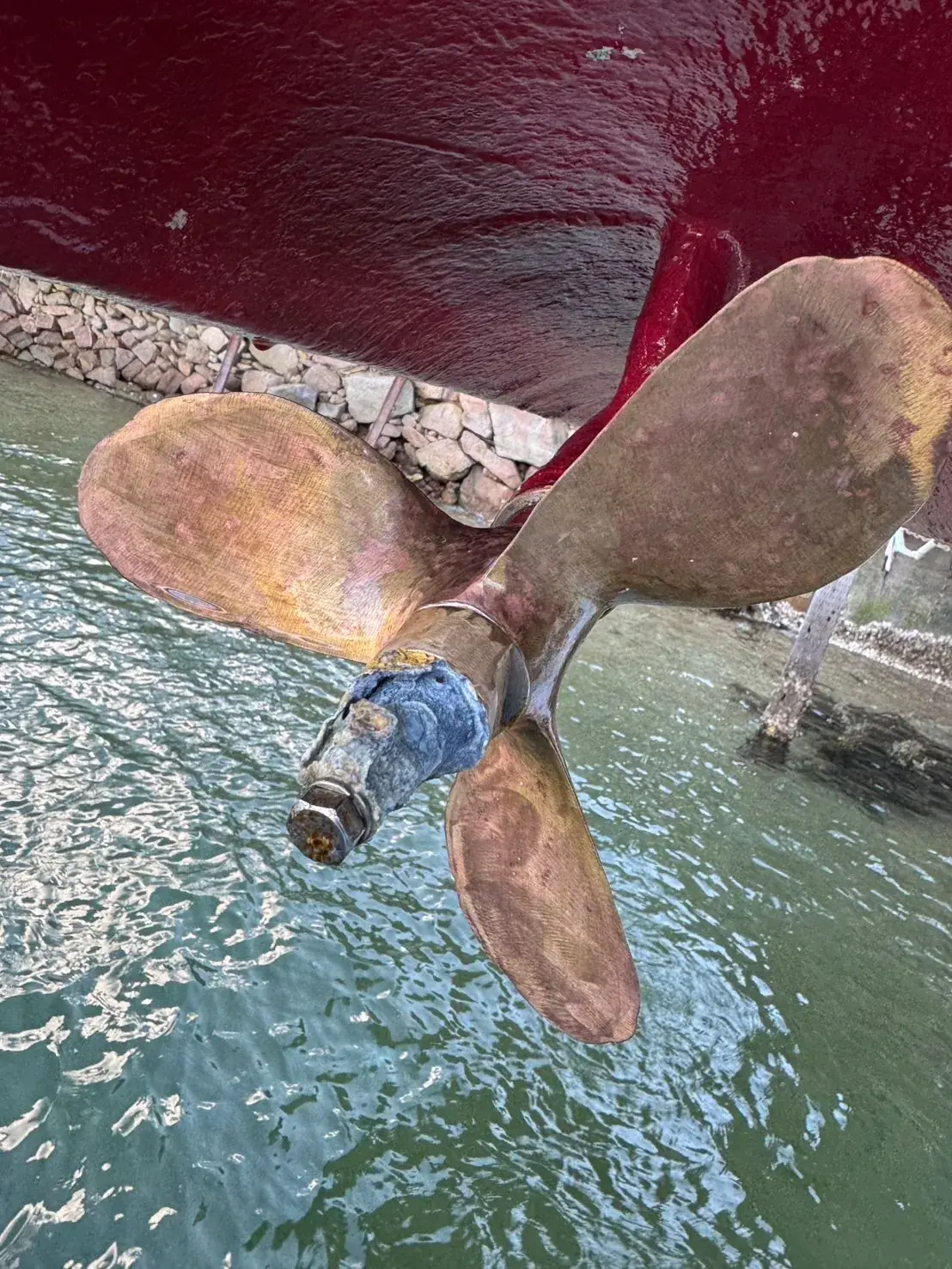
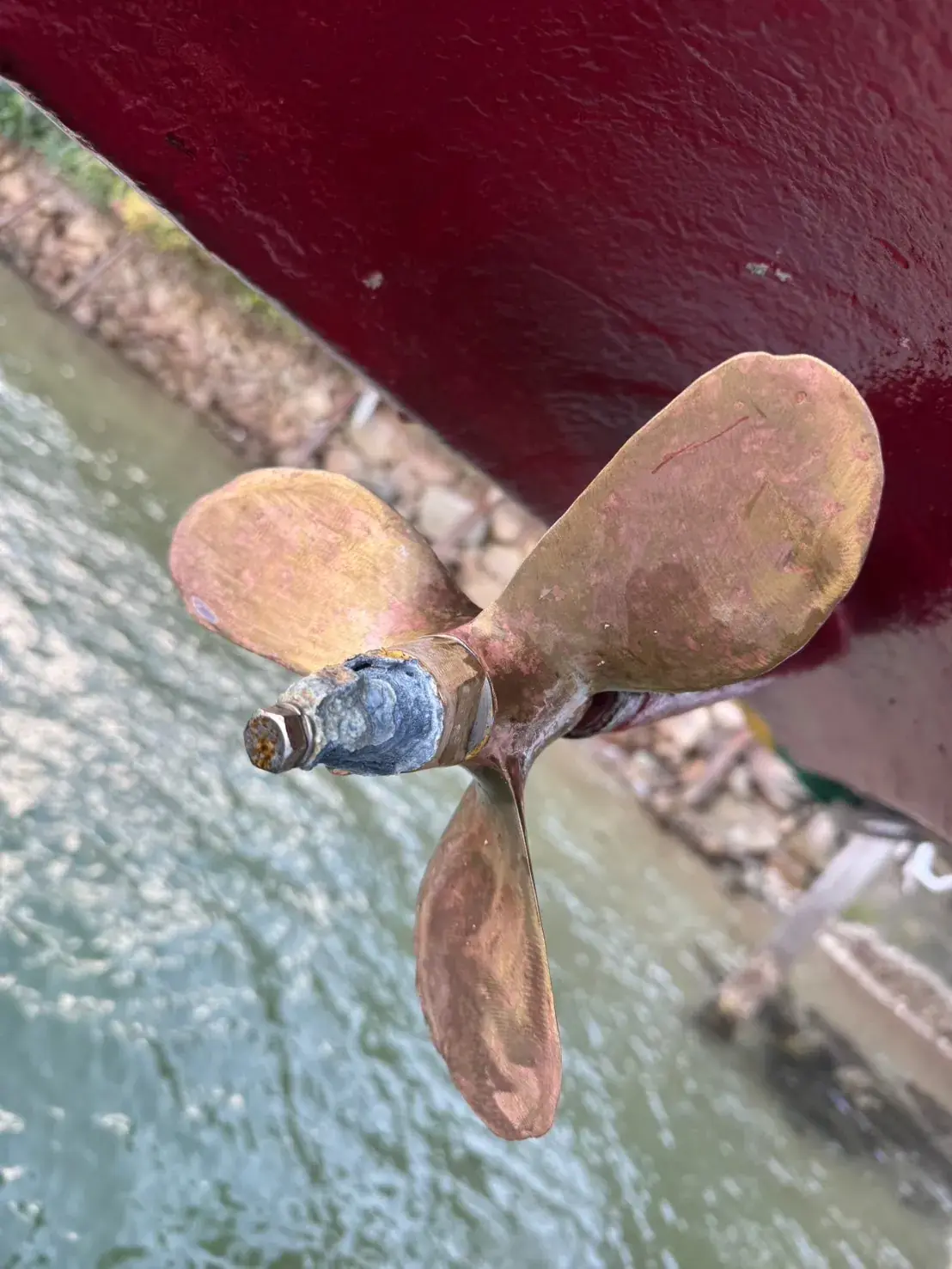
The brass propeller used in the trial, fitted to a boat
Kure (Marine Craft Kazenoko)
A treated brass propeller. Even coated in oil-based ink, it wipes clean with a rub of the finger under water.
  • The same brass propeller from another angle
  • A brass propeller under a boat’s hull, with a marina behind it

Ship bottoms, hulls and rudders

We are also considering holding back fouling on a ship’s underwater parts, such as the bottom, the hull and the rudder.

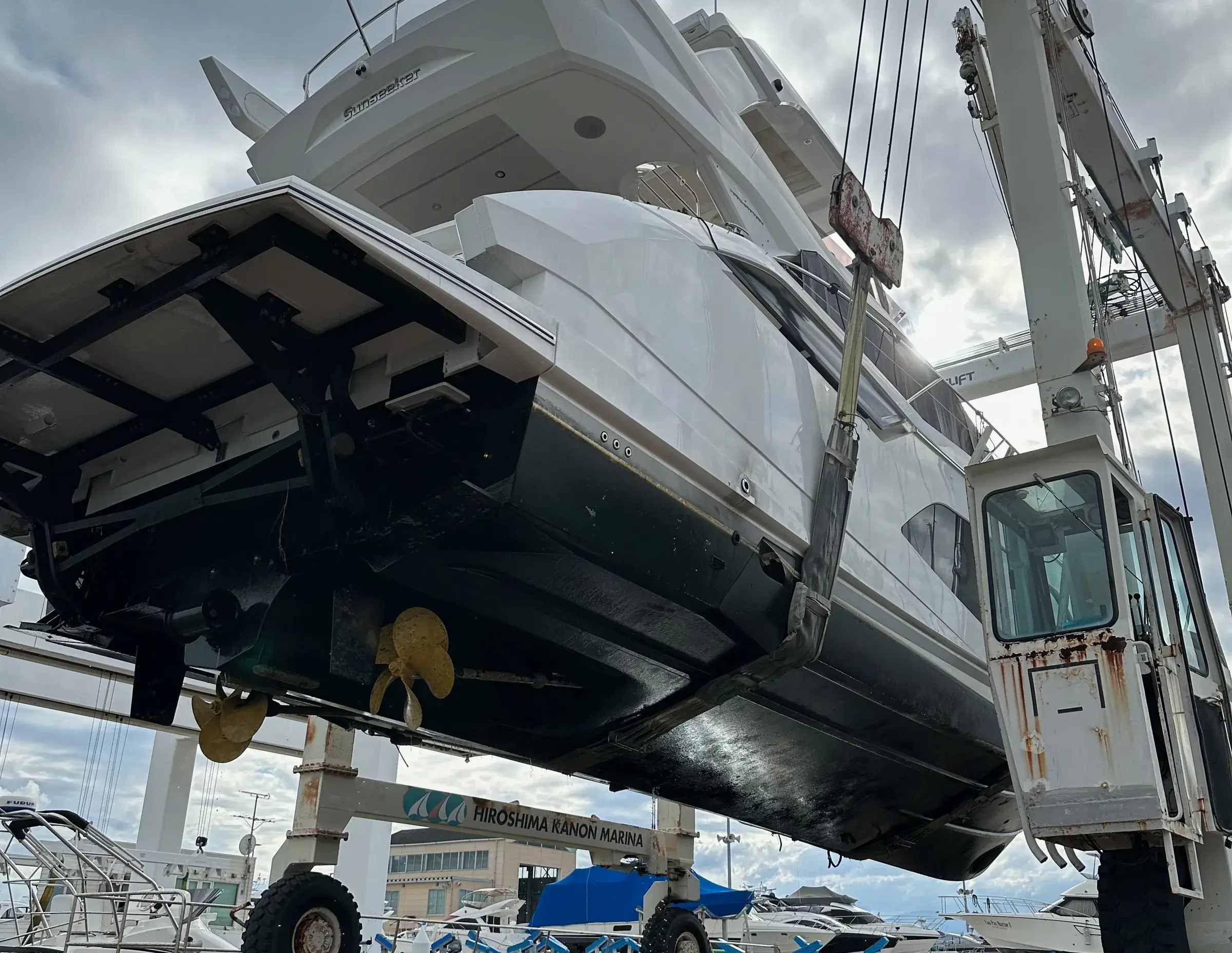
A boat lifted by a mobile boat hoist, its hull bottom and propellers showing

Ocean-going ships

We are considering reducing the marine life that grows on ocean-going ships, so fewer non-native species are carried across the seas.

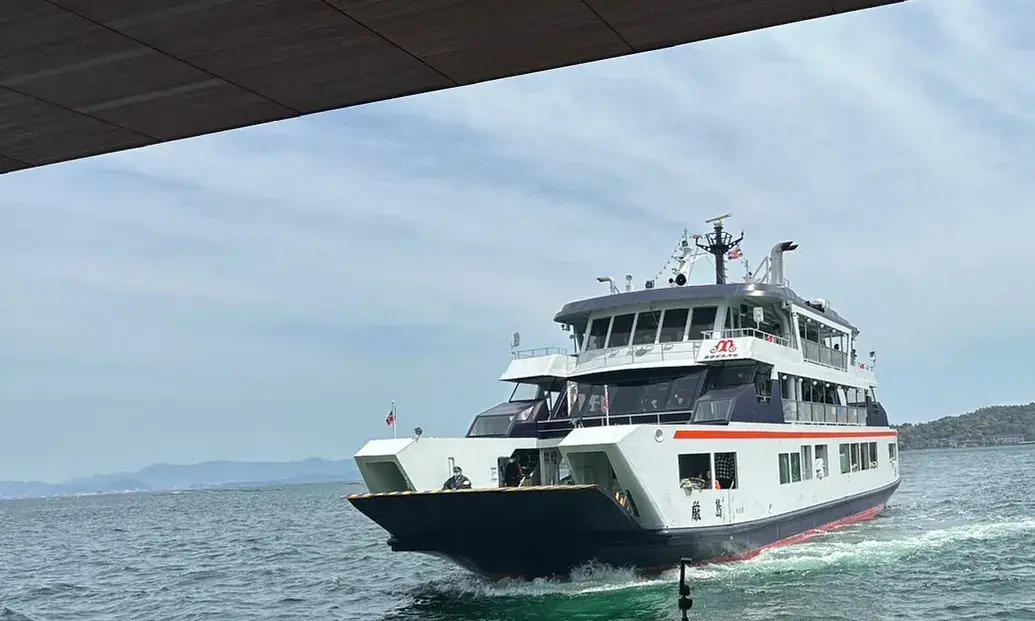
A ferry coming in to port

Content last checked:

Tell us what you would like to try with this use, or what is going wrong.

Ways to work with us

We start with parts about the size of a football, which fit our current equipment. Let us know the size of the part you would like to try.