 SeatecHIROSHIMA Ltd.
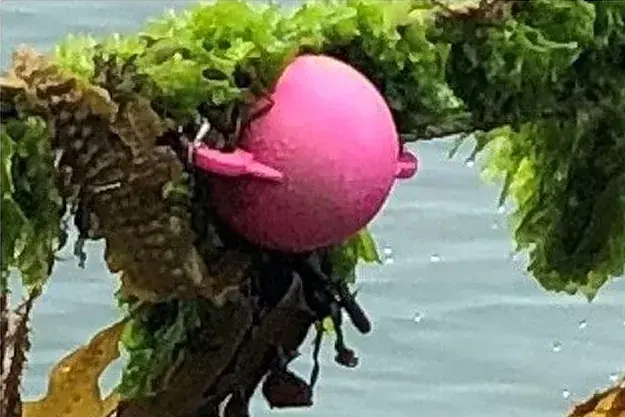
Keep it off
In Professor Kuroda’s research (fiscal 2022–2024, with sea trials in Hakodate and elsewhere), no shellfish or algae had settled on a treated float a year after it was put in the sea.

SeatecHIROSHIMA Ltd. | Kure, Hiroshima
Surface is Everything.
With one surface treatment, we keep things off where they shouldn’t stick and help them take hold where they should. The same thinking brings ocean data, too.
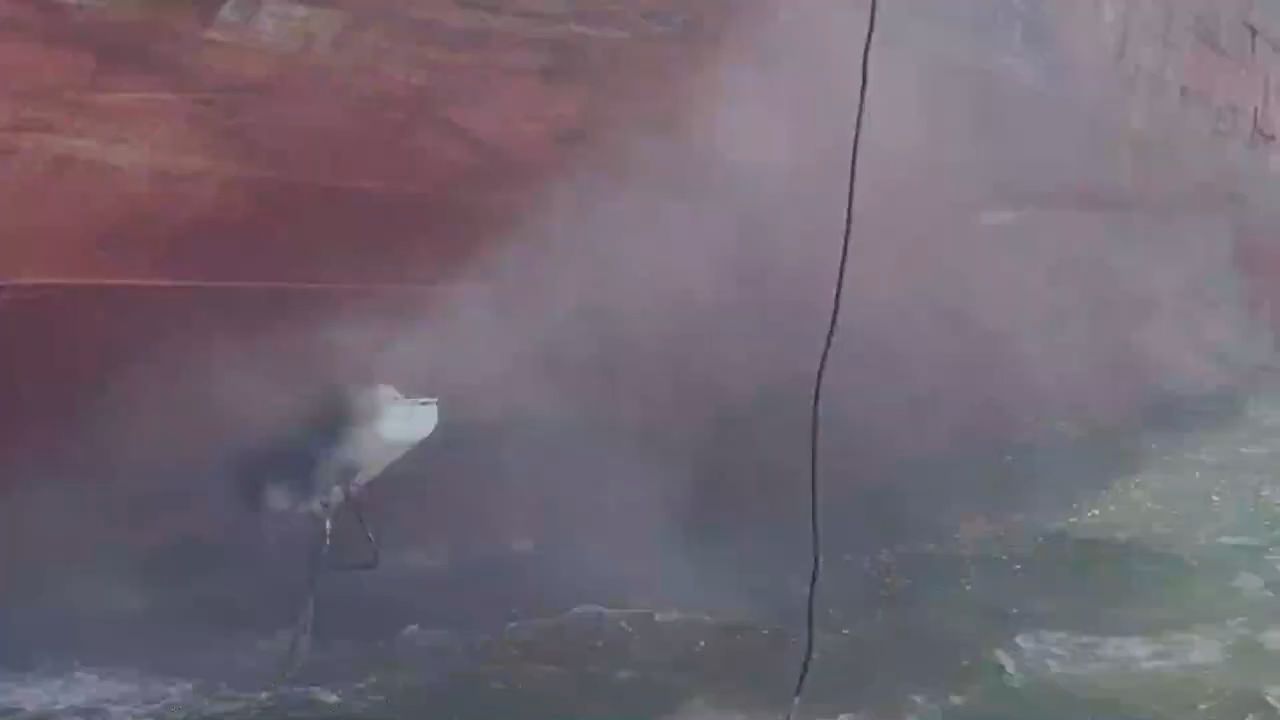
We are also developing a prototype underwater drone (ROV) for cleaning fouling off ship hulls.
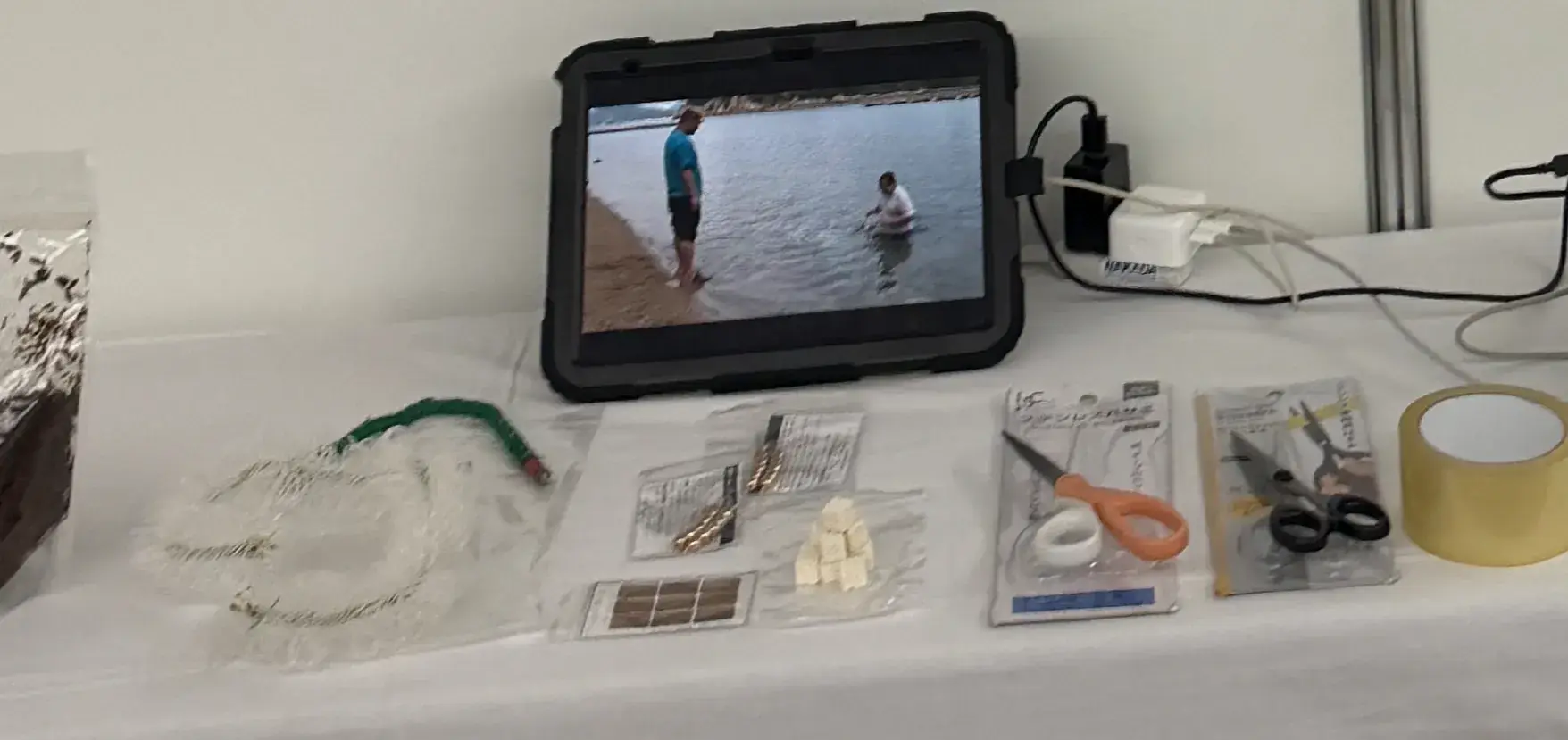
We are considering metal corrosion, glass, water systems and everyday products. Professor Kuroda has also made exhibits and prototypes himself.
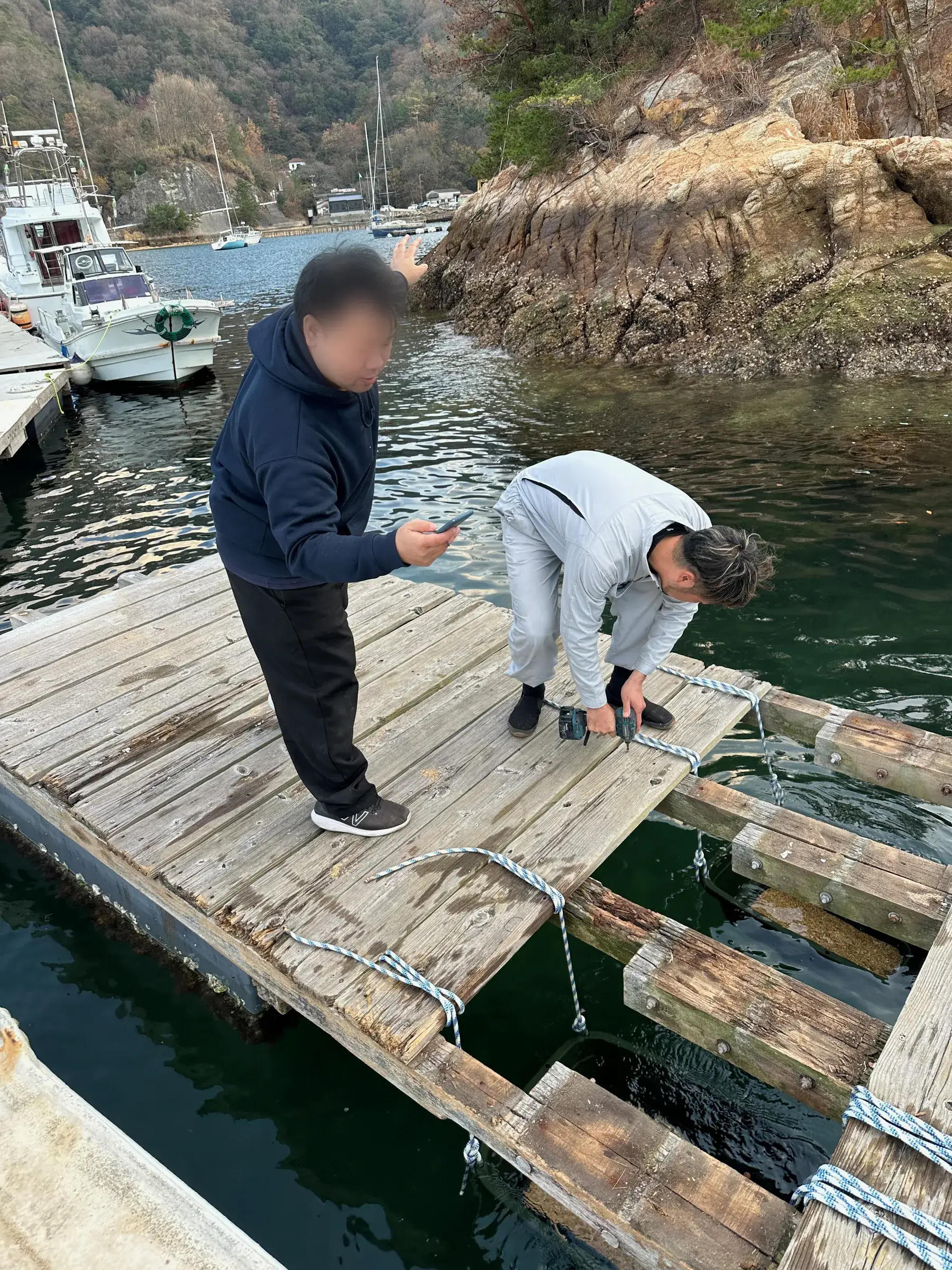
Start by talking to us about testing a part or joint research; we are also considering processing and licensing.
What We Do
In Professor Kuroda’s research (fiscal 2022–2024, with sea trials in Hakodate and elsewhere), no shellfish or algae had settled on a treated float a year after it was put in the sea.
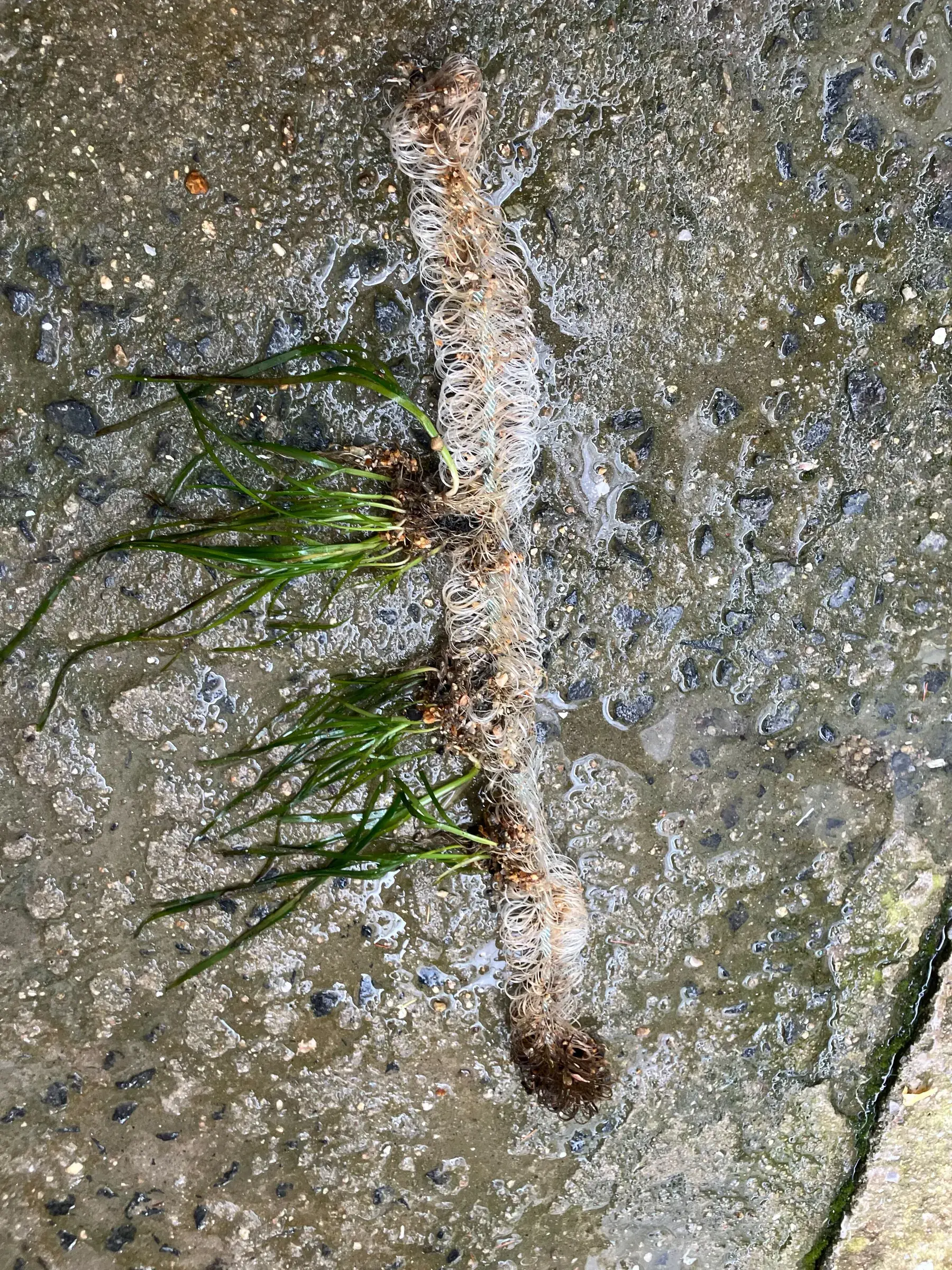
In a trial on Kurahashi Island, Kure, within Professor Kuroda’s research (KAKEN grant 22K04725), eelgrass germinated and grew roots on treated rope (February 2024).
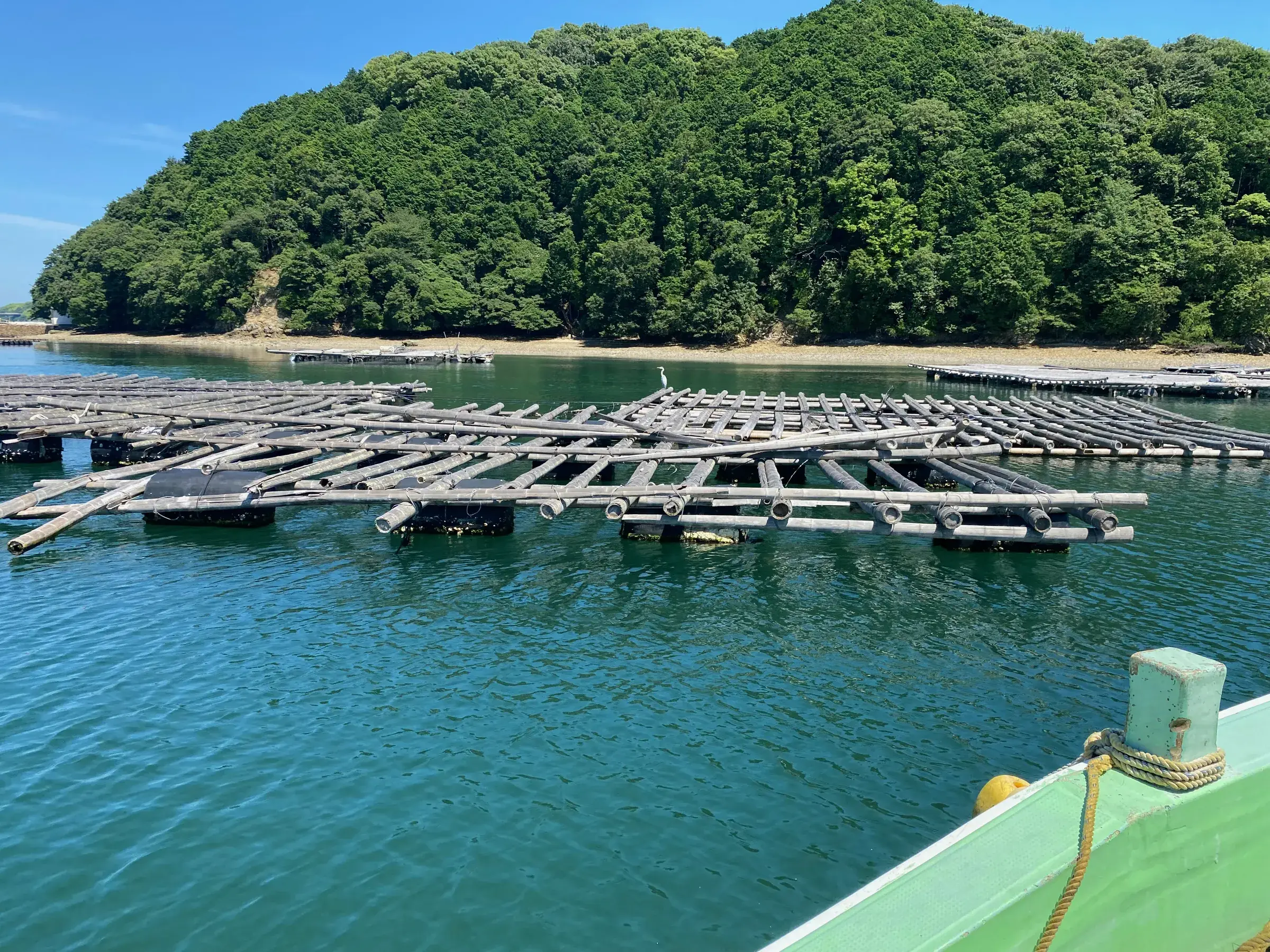
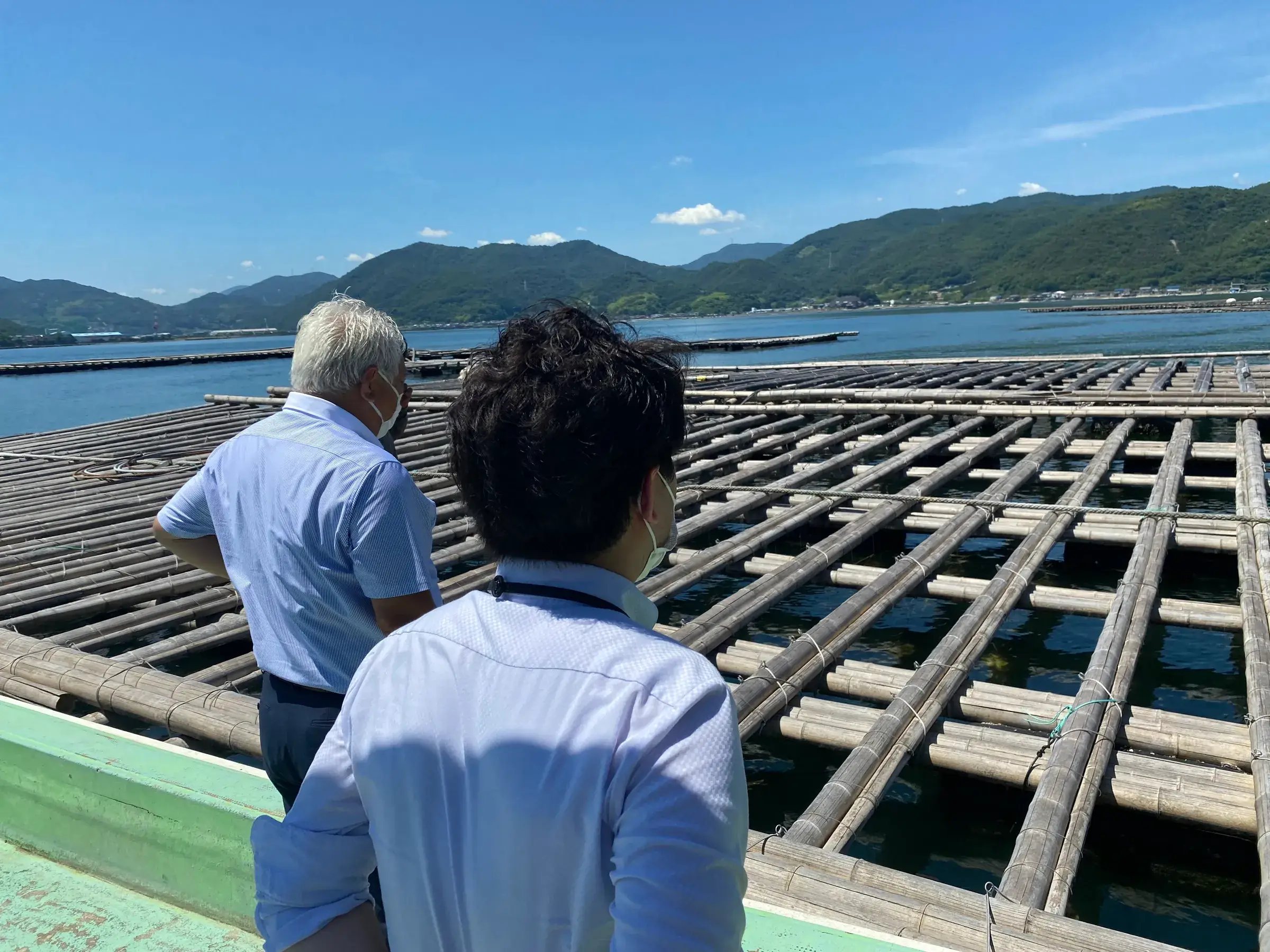
Working with a laboratory at Hiroshima University, our latest analysis found about 90% of the oyster rafts in Hiroshima Bay, checked against the rafts actually afloat. Not every raft is found, so it is meant to be used alongside a lookout.
We are also developing a prototype underwater drone (ROV) for cleaning fouling off ship hulls.
We are considering metal corrosion, glass, water systems and everyday products. Professor Kuroda has also made exhibits and prototypes himself.
Start by talking to us about testing a part or joint research; we are also considering processing and licensing.
One Technology
We condition a material’s surface, build a very fine scaffold on it, and choose what to fix there: something that keeps life off, or something that helps it take hold.
How the technology works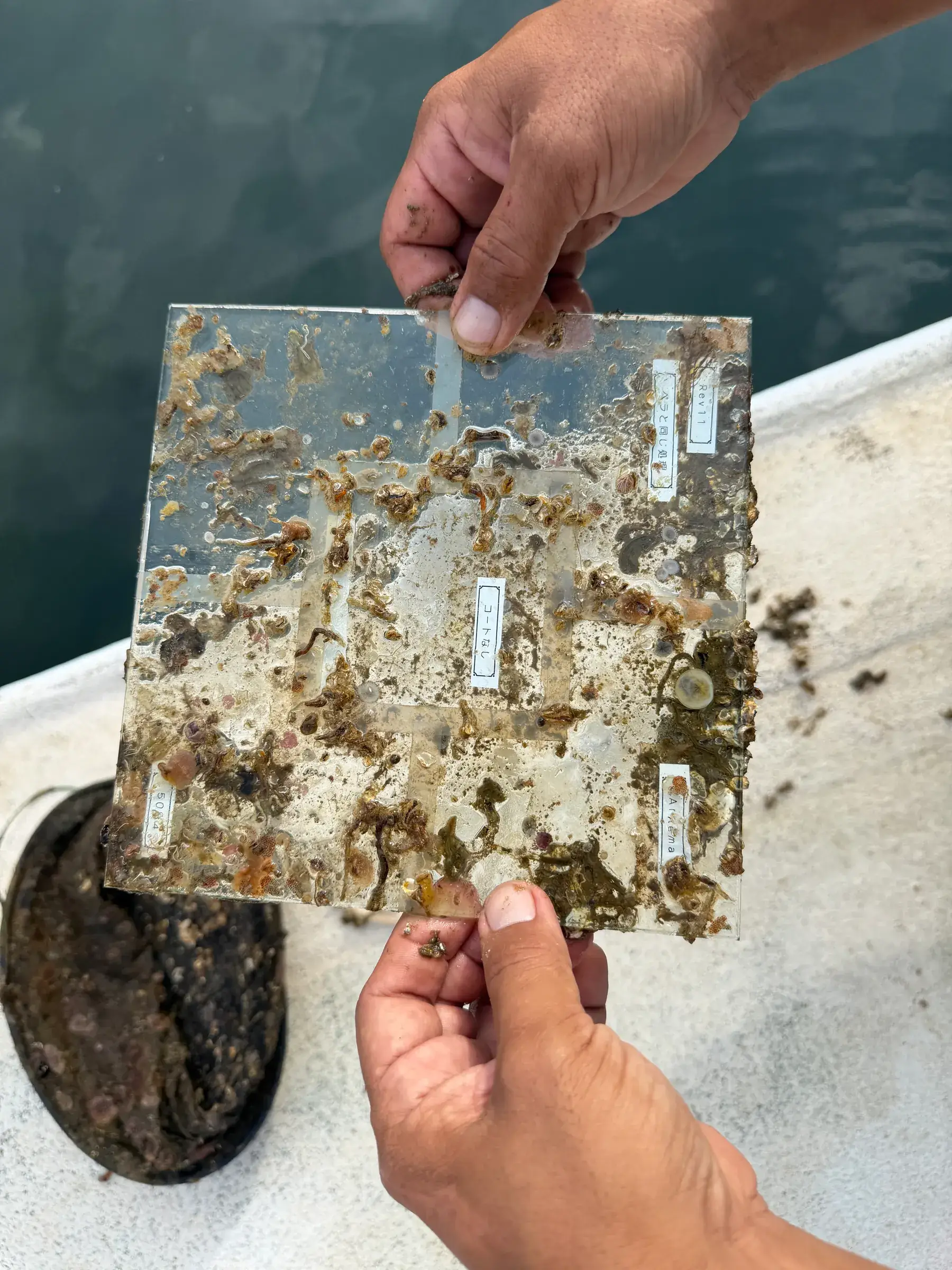
One surface treatment
Condition the surface and build a very fine scaffold
Fix what keeps life off
A fluorine-based agent, also used in dental care. We use no copper, silver or other biocides.
Ships, fishing gear, equipment
Fix what helps life take hold
Nutrients, useful microbes and other things that help living things root and settle.
Seagrass beds, seaweed, farm soil
The same thinking, applied to ocean information
Ocean data
Oyster raft positions for the people who run boats and the people who own rafts. No surface treatment involved.
Our Story
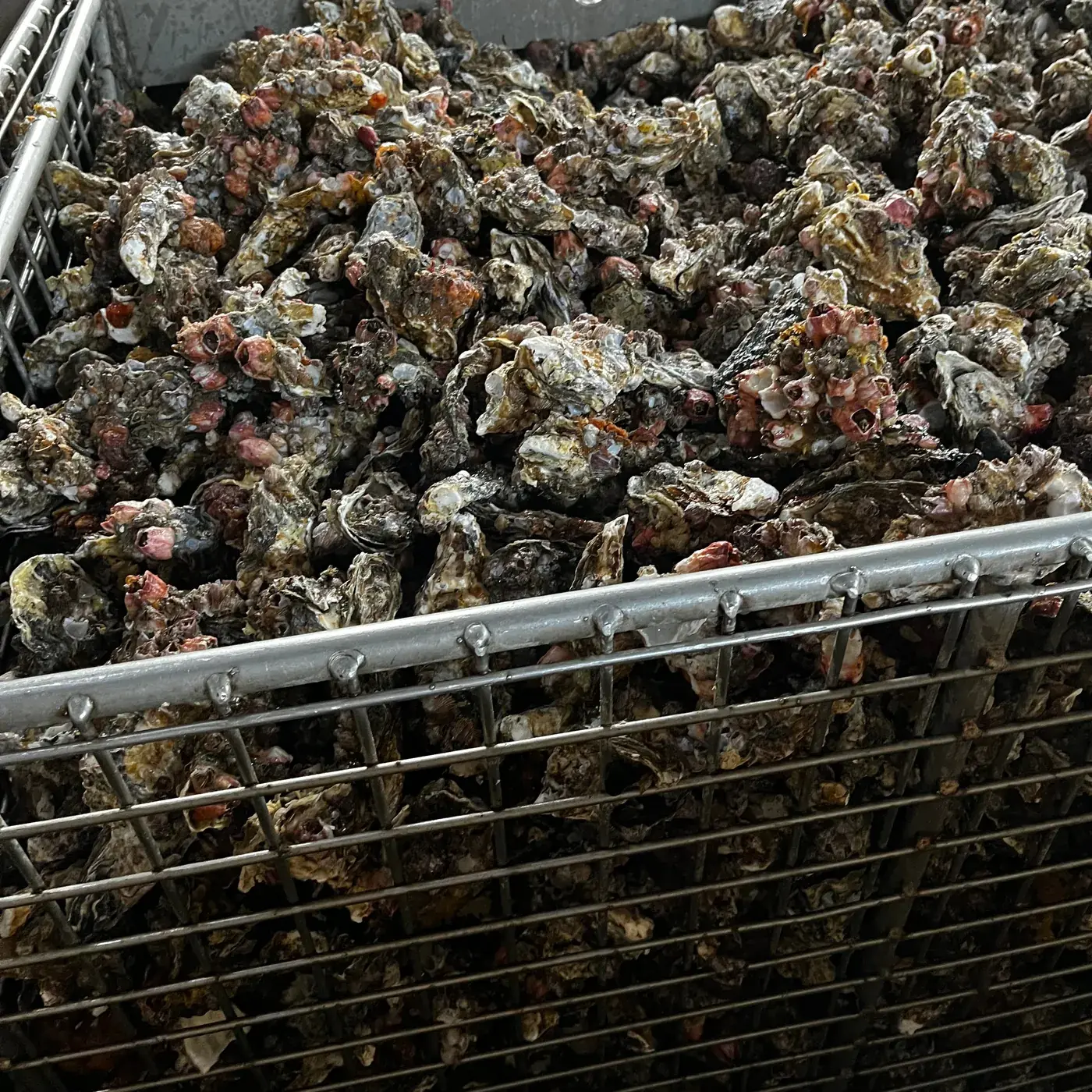
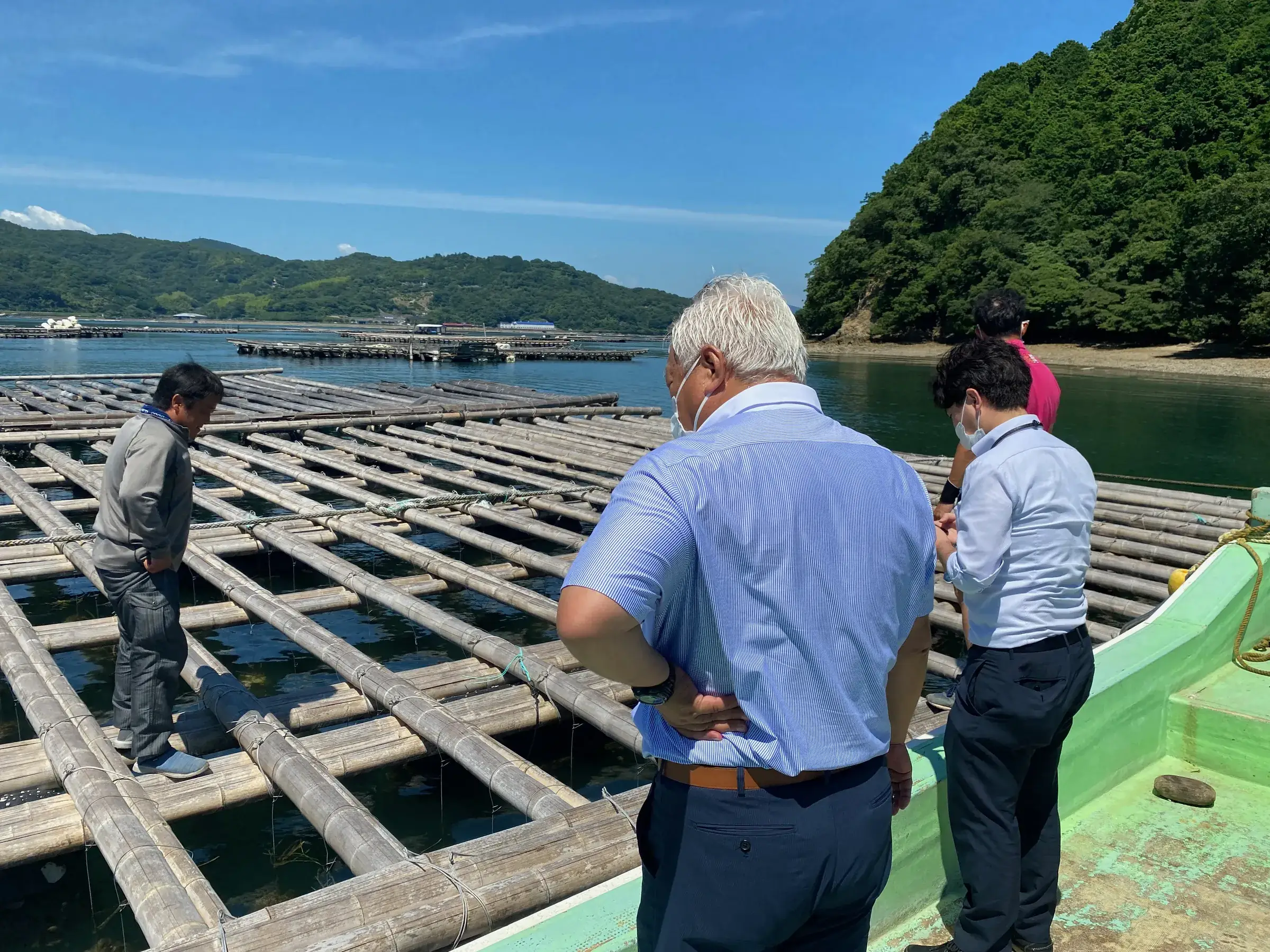
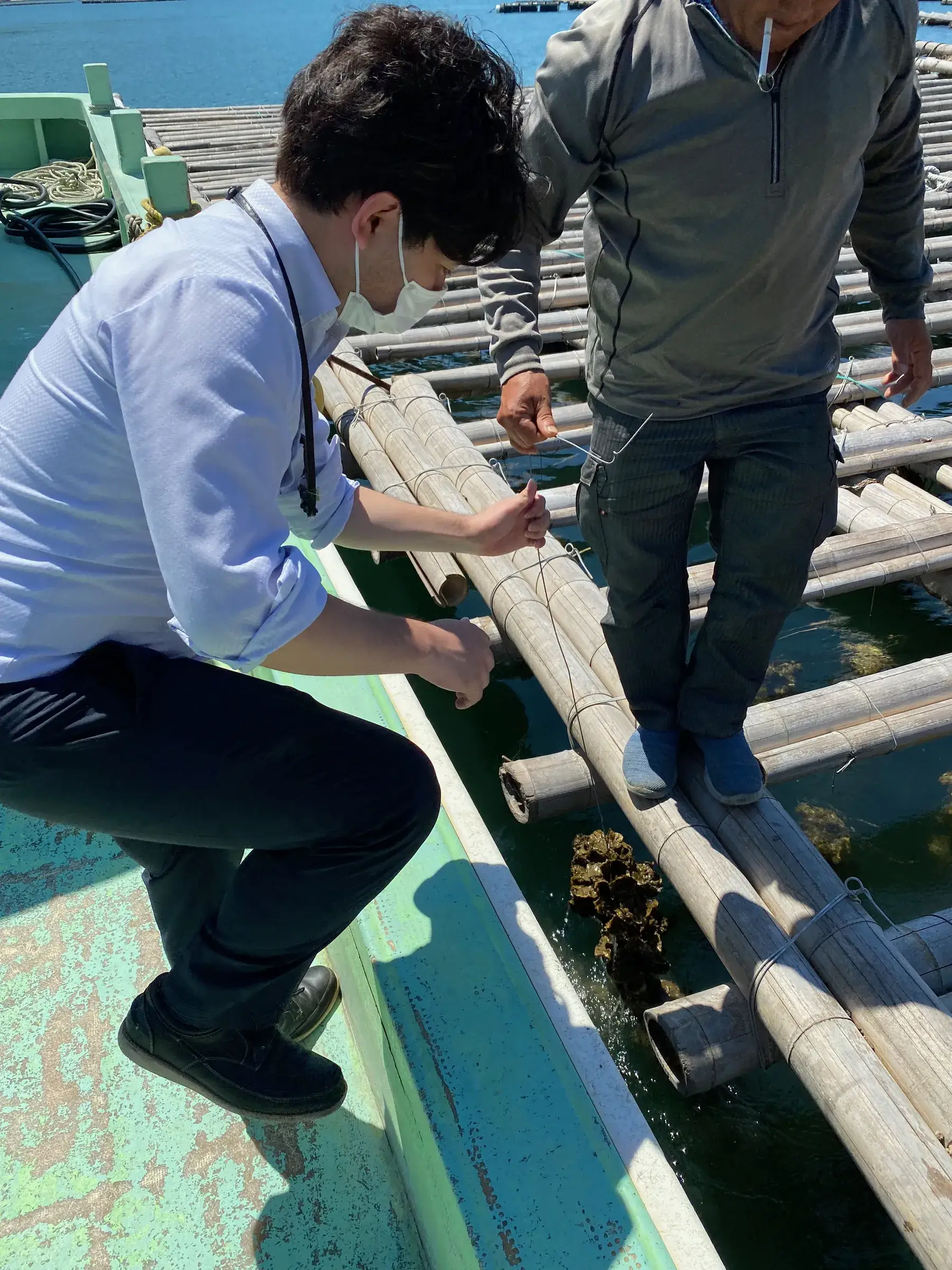
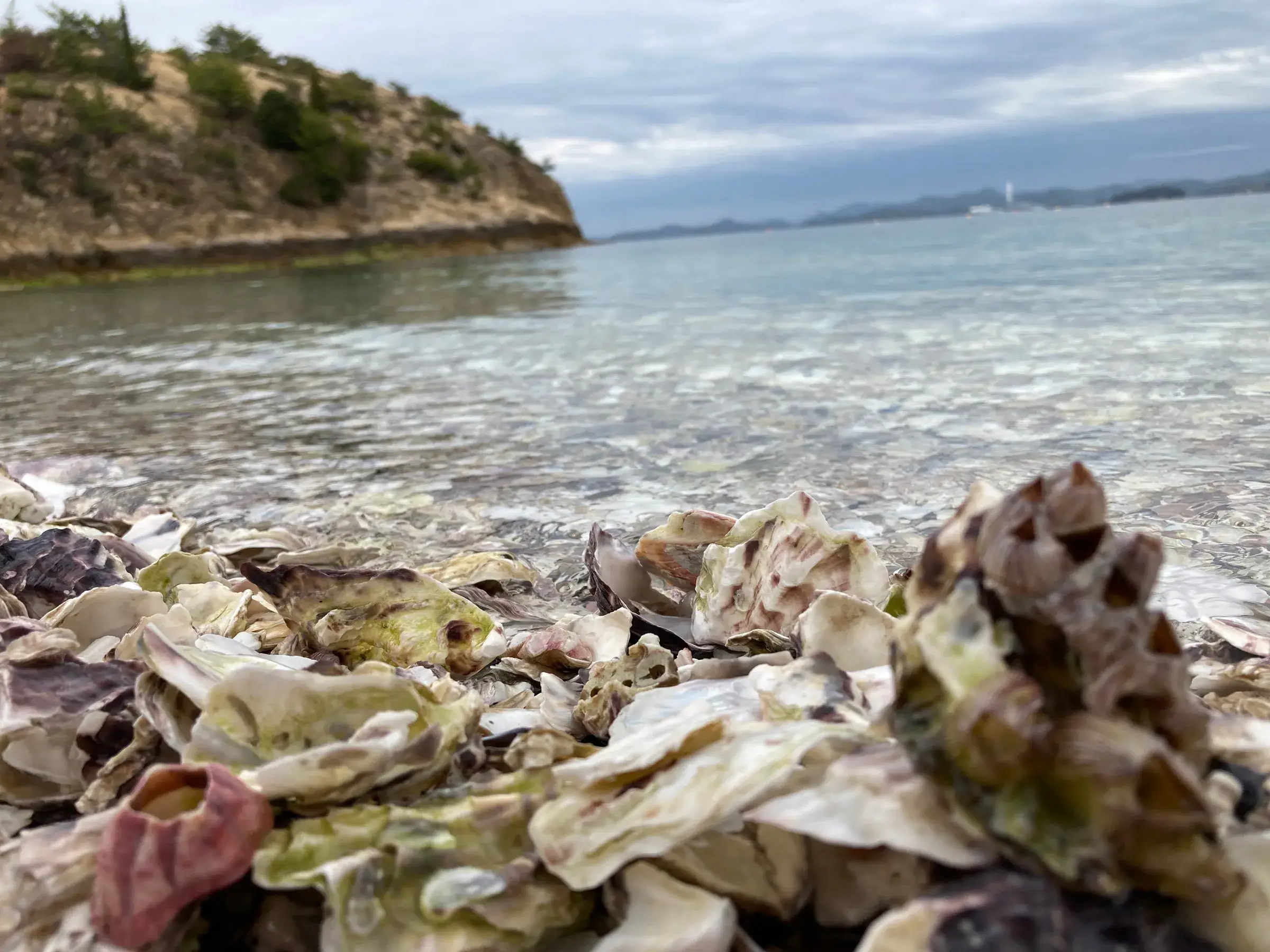
On a Hiroshima oyster farm, we saw oysters buried under barnacles. That is where this company began. Oyster farmers told us that about 40% of the oysters that barnacles settle on die, and as many as 90% in some places. Rather than scraping off what has already settled, could we stop it settling in the first place? We found the answer in the work of Kensuke Kuroda (Representative, Nagoya Surface Technology; Specially Appointed Professor, Institute of Innovation for Future Society, Nagoya University), who has spent more than 20 years on surface treatments for implants.
Read how we started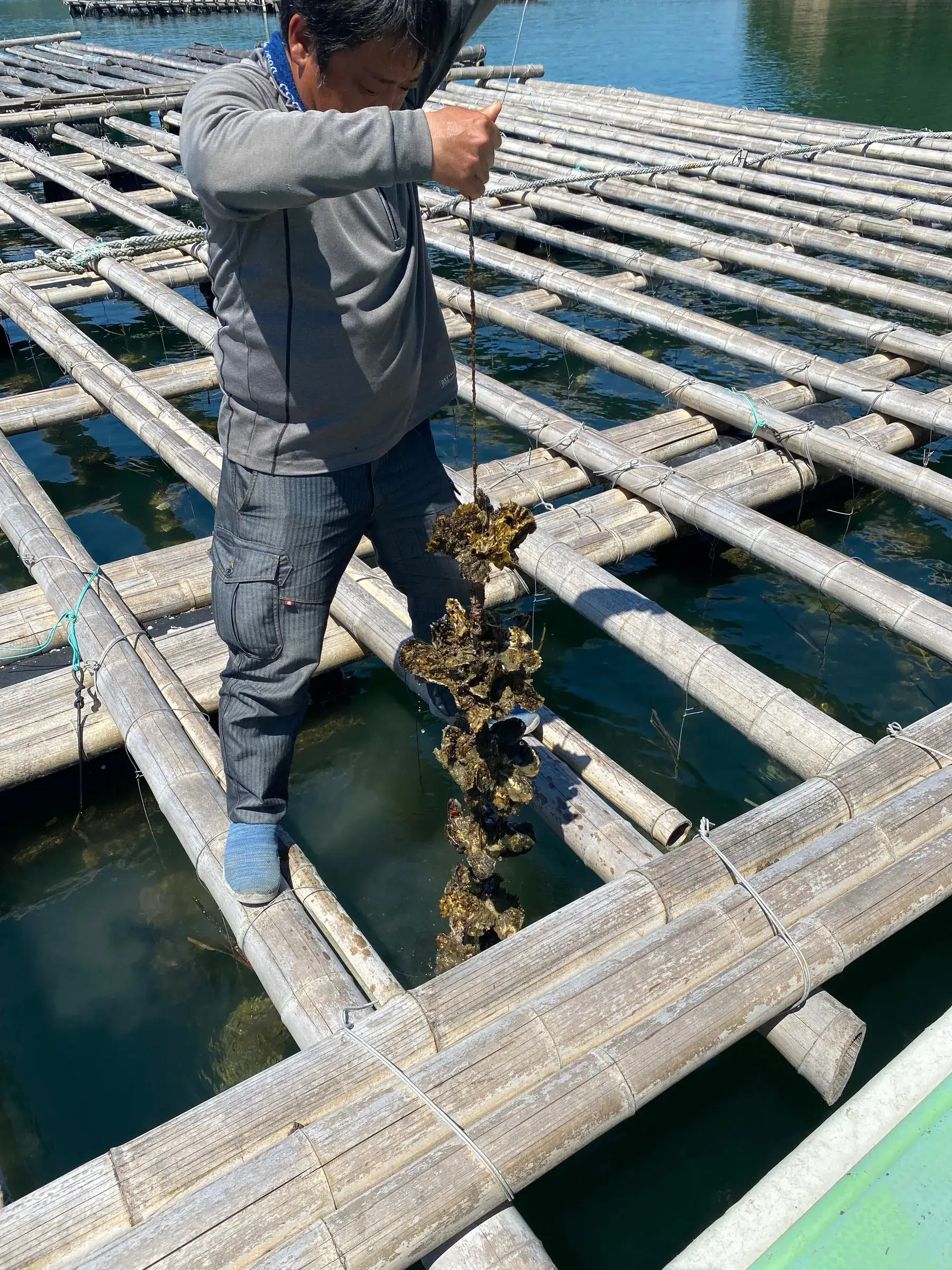
Partners
Since October 2025 we have been one of the consortium companies in Hiroshima University’s COI-NEXT centre for a marine cultural city built on ocean remote sensing.
From October 2025 to August 2026, four parties — Hiroshima University, Marine Craft Kazenoko, Inet and our company — studied systems that support oyster raft management and safe navigation.
Kensuke Kuroda supervises the technology in a personal capacity.
Representative, Nagoya Surface Technology
Specially Appointed Professor, Institute of Innovation for Future Society, Nagoya University (2020–)
Contact
You don’t need to have the material or the place worked out yet. The first consultation is free.
Choose what to talk about