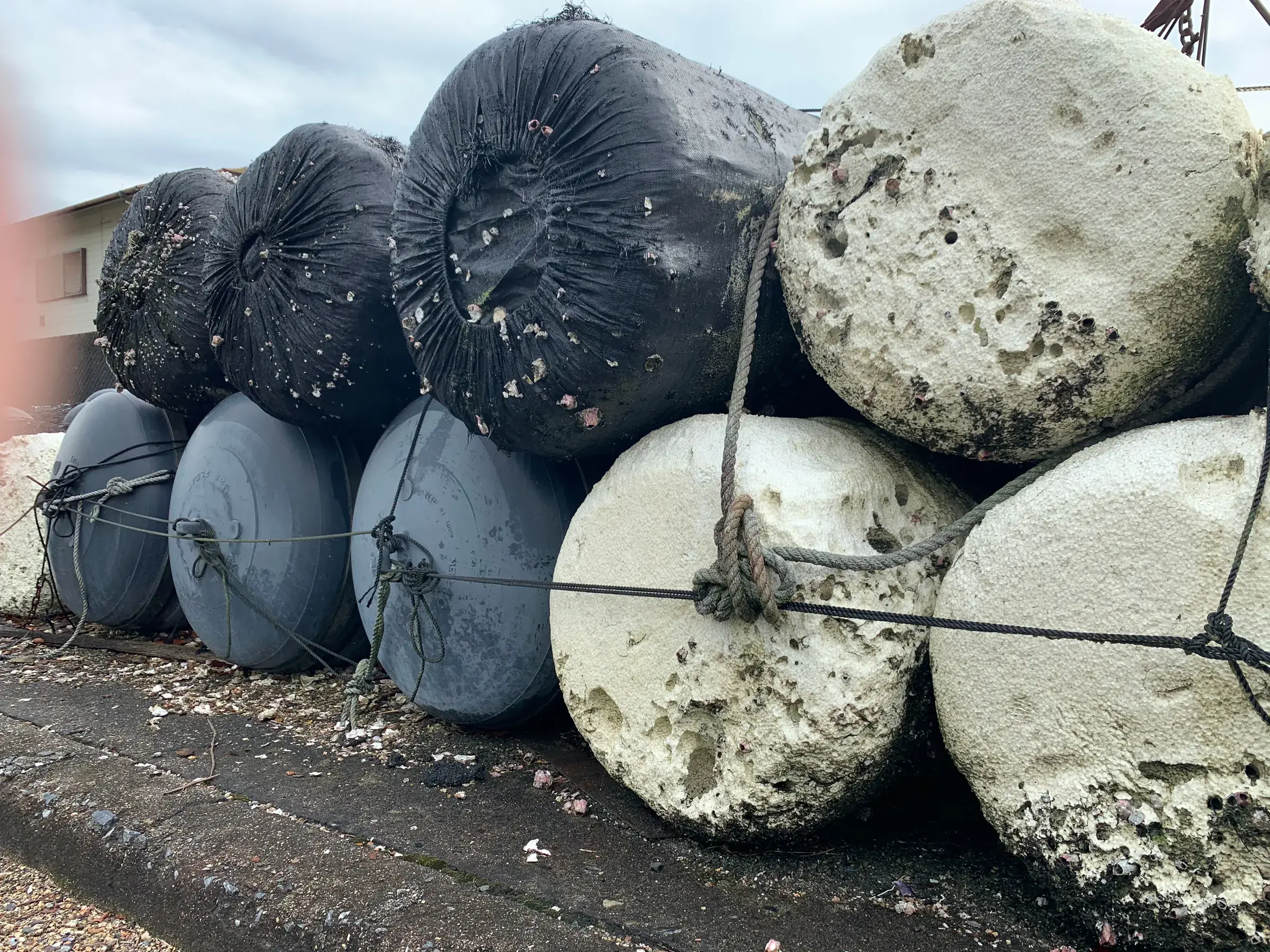
Large floats stacked on a quay, marked with shells and grime

Fishing and aquaculture

Fishing and aquaculture gear that shellfish and seaweed find harder to grip.

We hold back the shellfish and seaweed that grow on fishing and aquaculture gear by working on its surface.

For fishers, aquaculture businesses, fishing cooperatives, local governments and fishing gear makers

Talk to us about this use

The problem

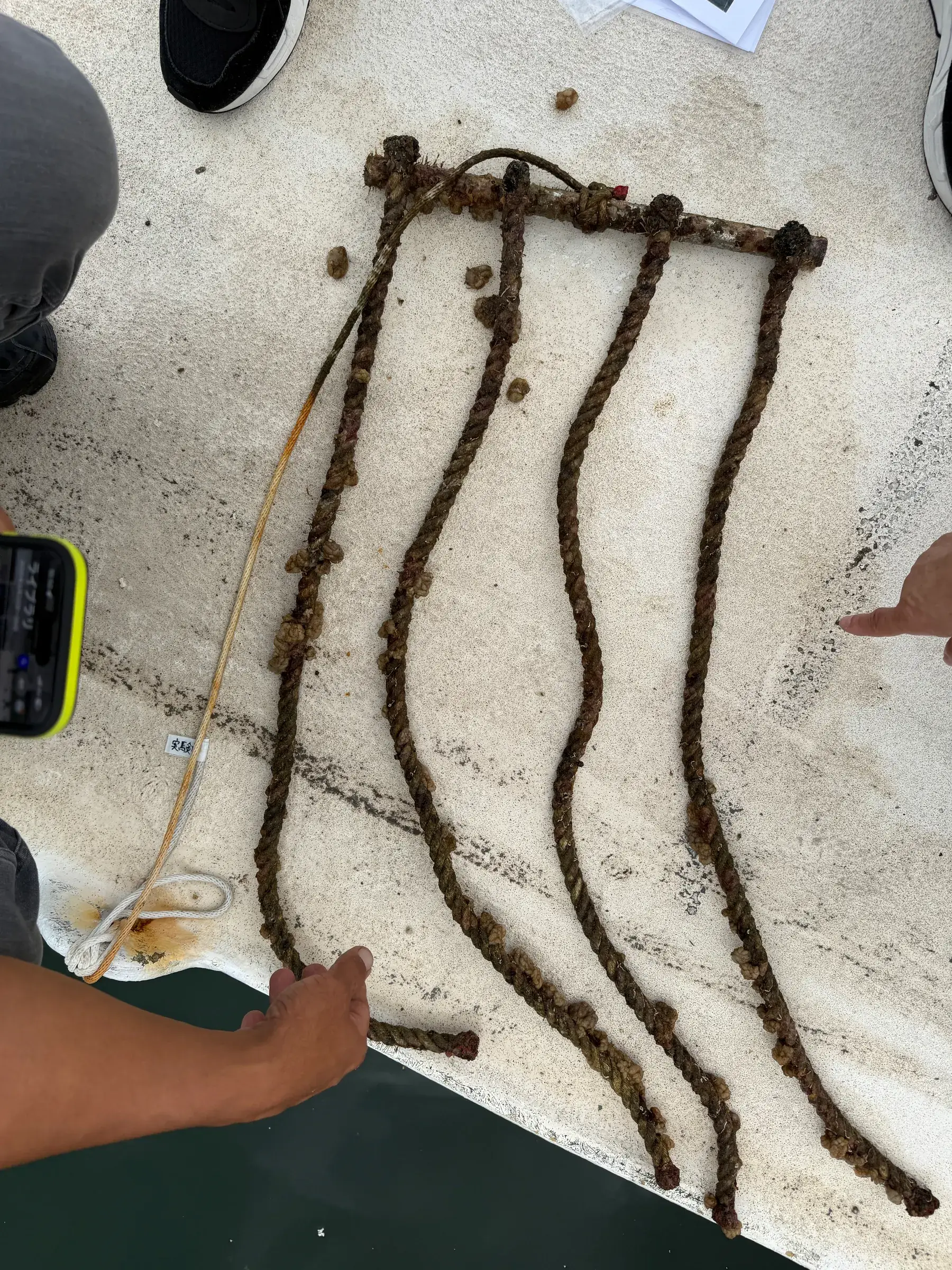
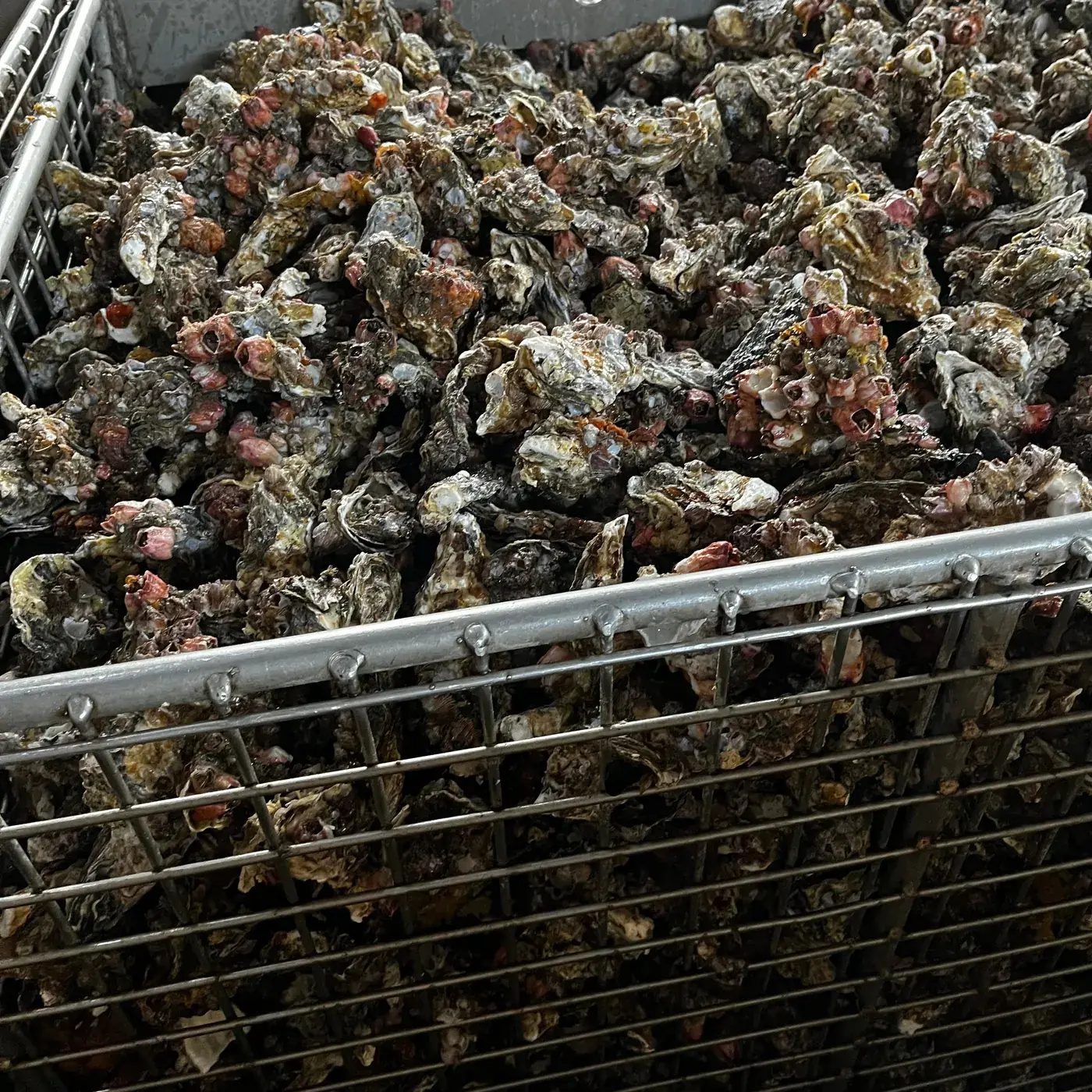
When shellfish and seaweed grow on floats, rope and nets, the gear gets heavier, and cleaning or replacing it takes time and labour. In oyster farming, barnacles settle on the growing oysters too. Oyster farmers told us that about 40% of the oysters that barnacles settle on die, and as many as 90% in some places.

  • Ropes pulled from the sea, with growth on them
  • Oysters covered in barnacles, in a wire bin

What we do

We treat the surface of floats, rope, nets and other gear, bonding a fluorine-based antifouling agent to it so shellfish and seaweed struggle to grip. We use no copper, silver or other biocides. The floats we treat are ones already in use, so no new waste is made. Nor do we leave treated items behind in the sea.

How the treatment works

Oyster rafts and baskets, and filters in land-based aquaculture

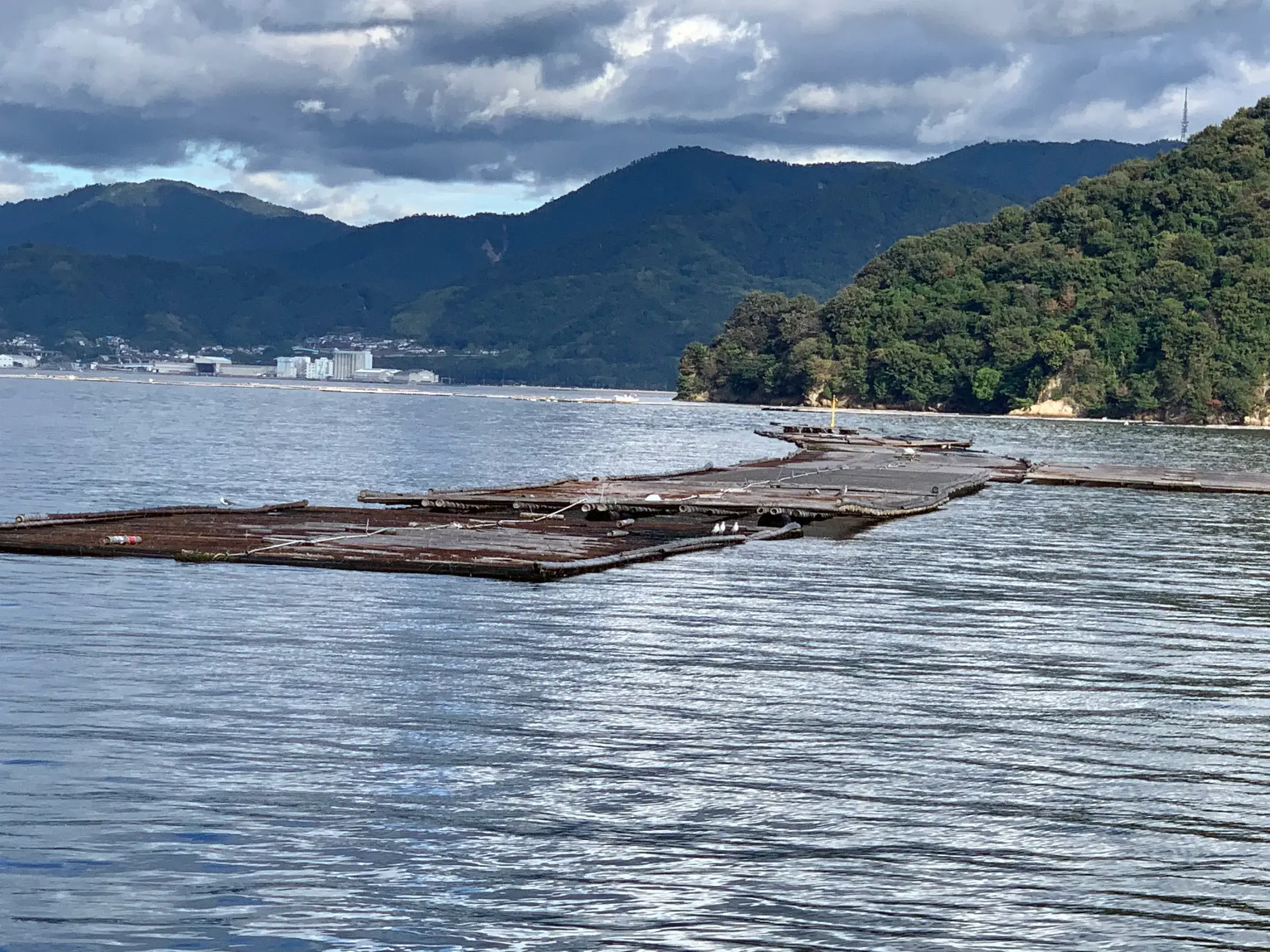
Barnacles on oyster rafts are the problem our company started from.

We are considering holding back barnacles and other growth on gear such as oyster rafts and baskets, and keeping the filters of land-based aquaculture from clogging.

It is the gear that would be treated, not the oysters themselves.
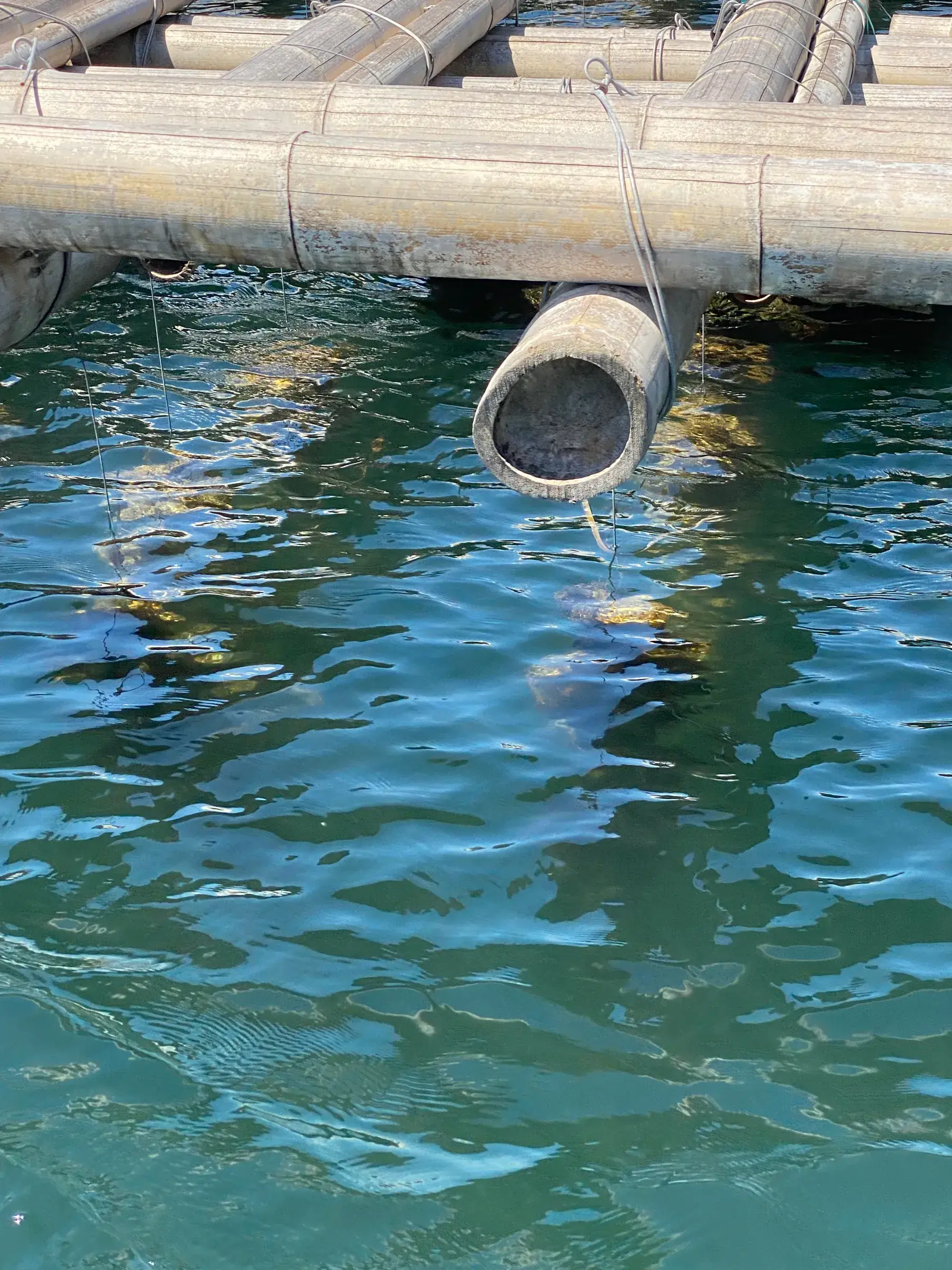
A bamboo oyster raft on the sea, with lines hanging from it into the water
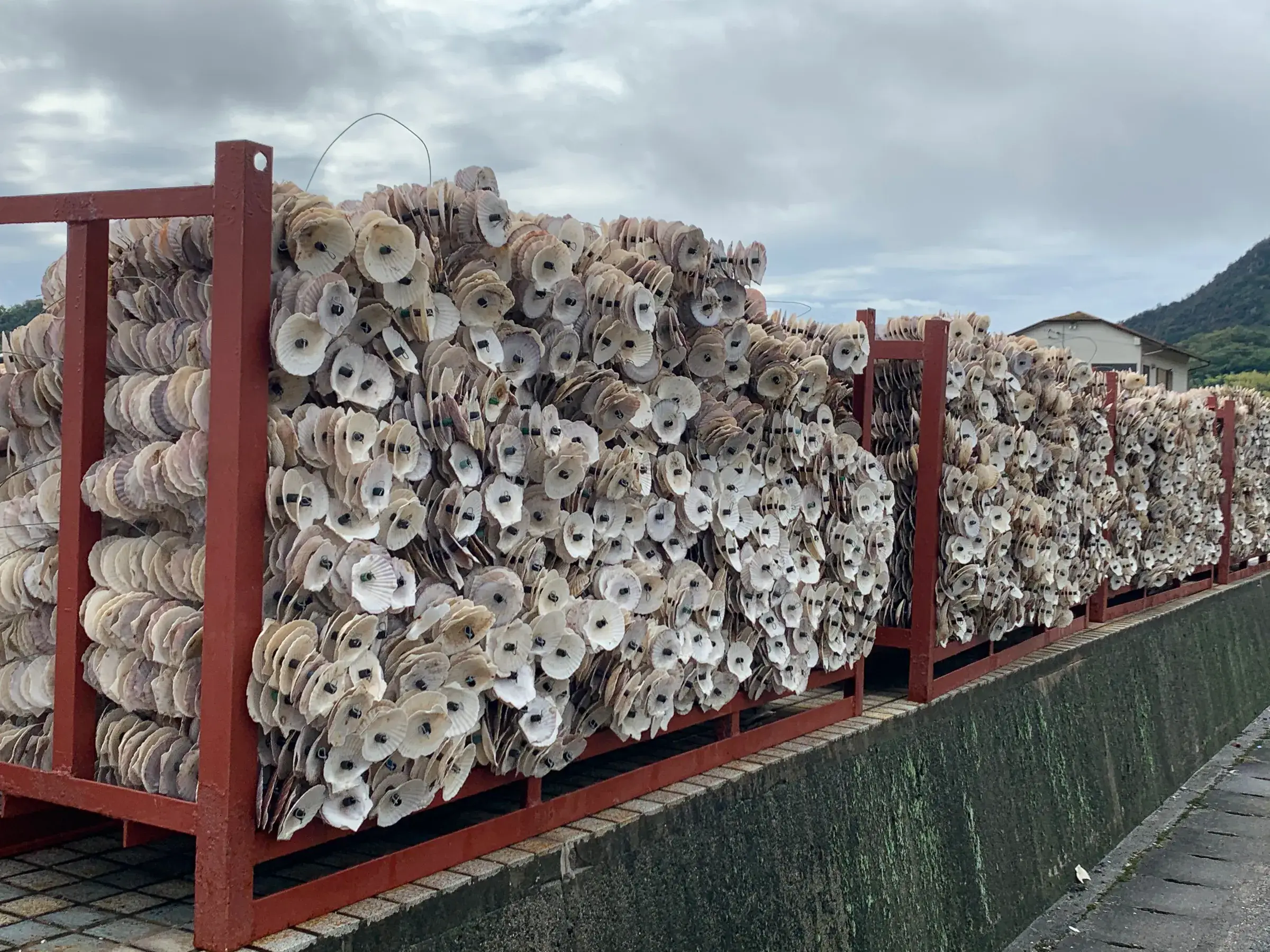
  • Bundles of strung scallop shells stacked on racks
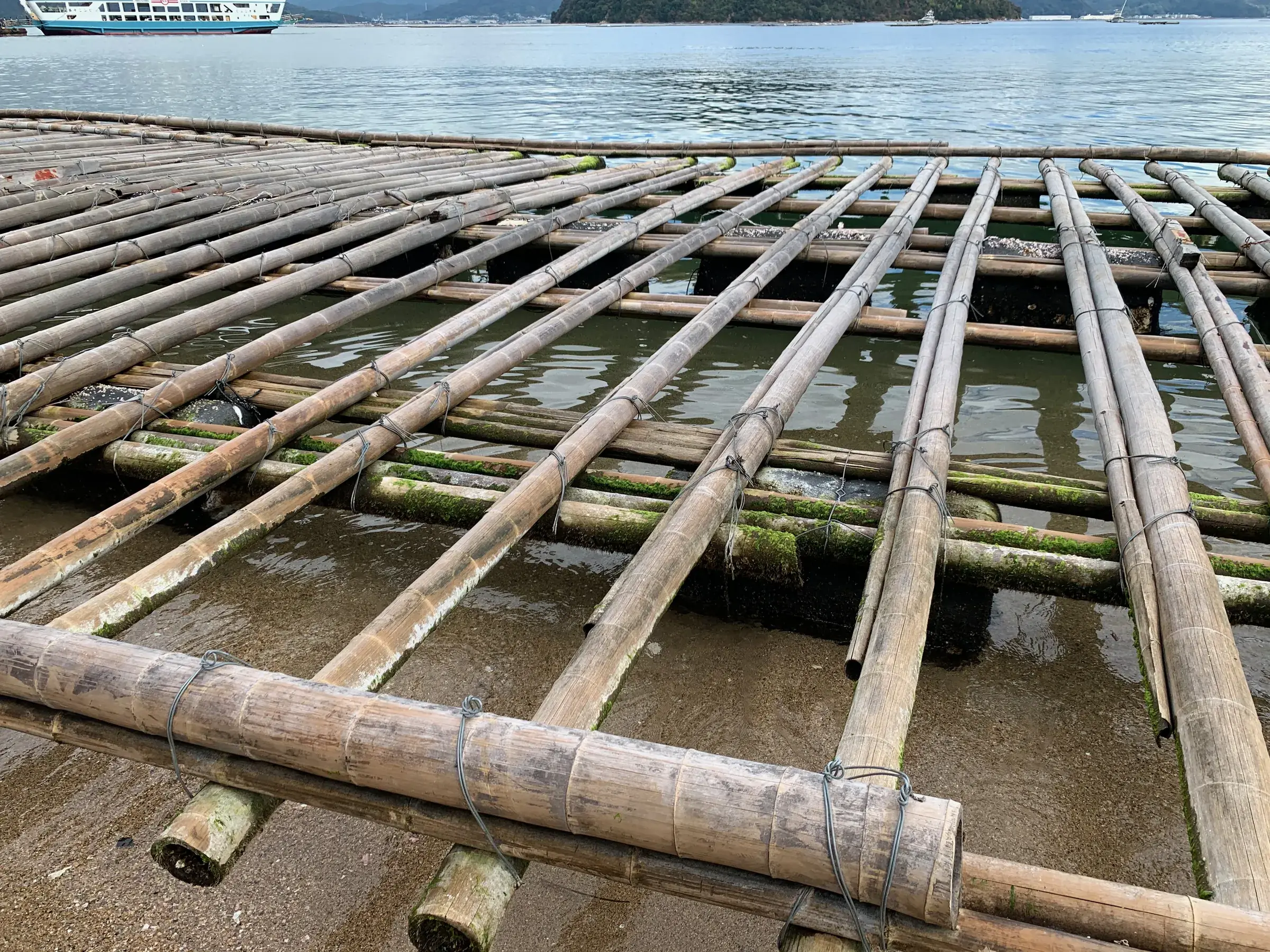
  • A bamboo raft frame brought ashore

Floats and buoys

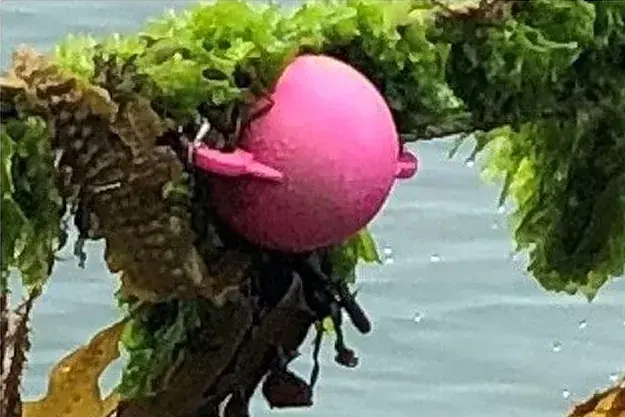
In the published report of KAKEN grant 22K04725 (fiscal 2022–2024), led by Professor Kuroda, our technical supervisor, a small polyethylene float (about 150 mm across) with a fluorine-based agent fixed to its surface had no shellfish or algae settled on it a year after it was put in the sea, while kelp and other seaweed grew thickly on the rope holding it. The research’s sea trials were held in Hakodate, Hokkaido, and elsewhere.

Source: Published report of KAKEN grant 22K04725

A treated pink float after a year in the sea, with seaweed grown thick on the rope holding it
A year after it was put in the sea

Rope

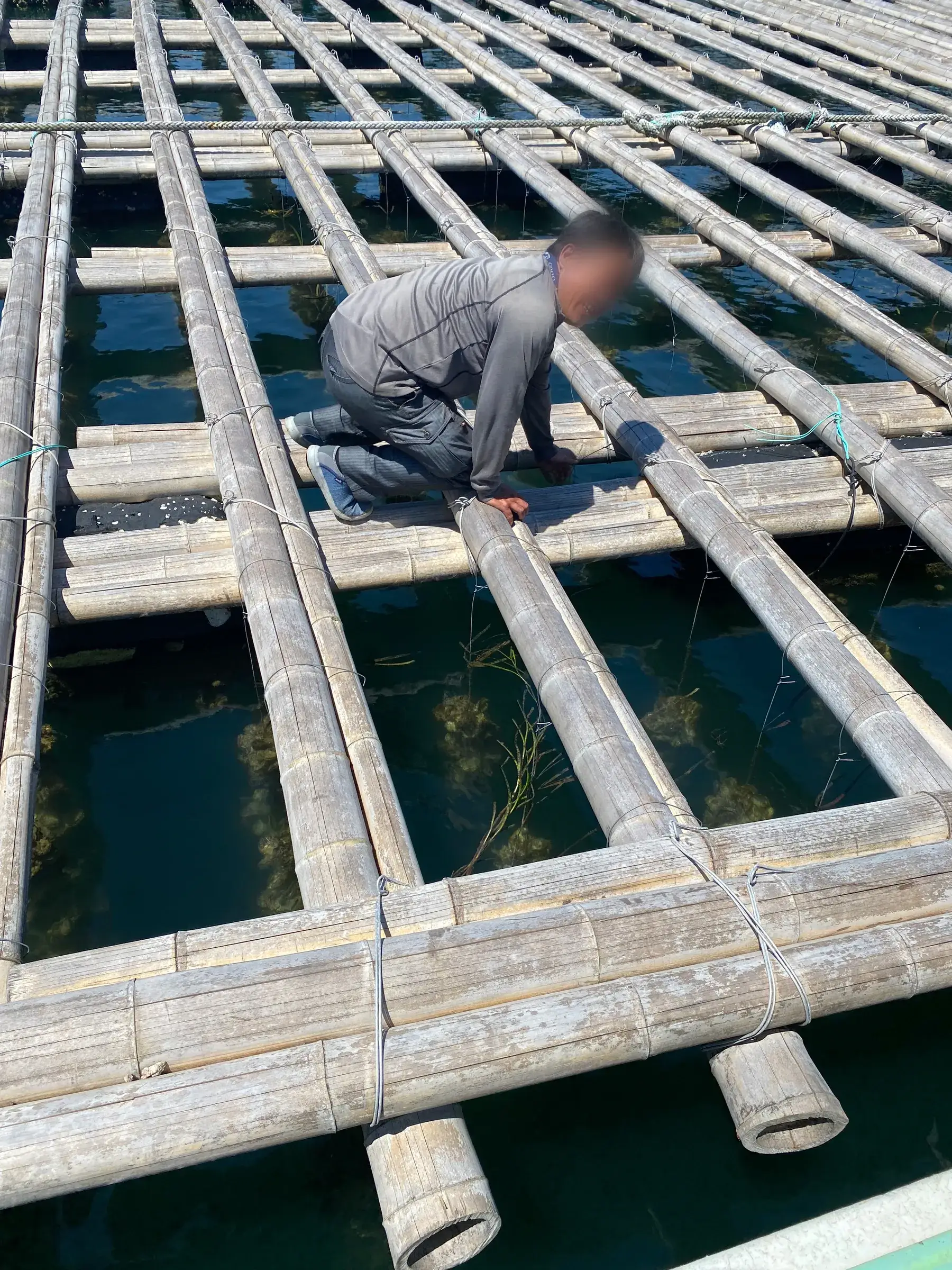
We are continuing rope trials in the sea at Kure.

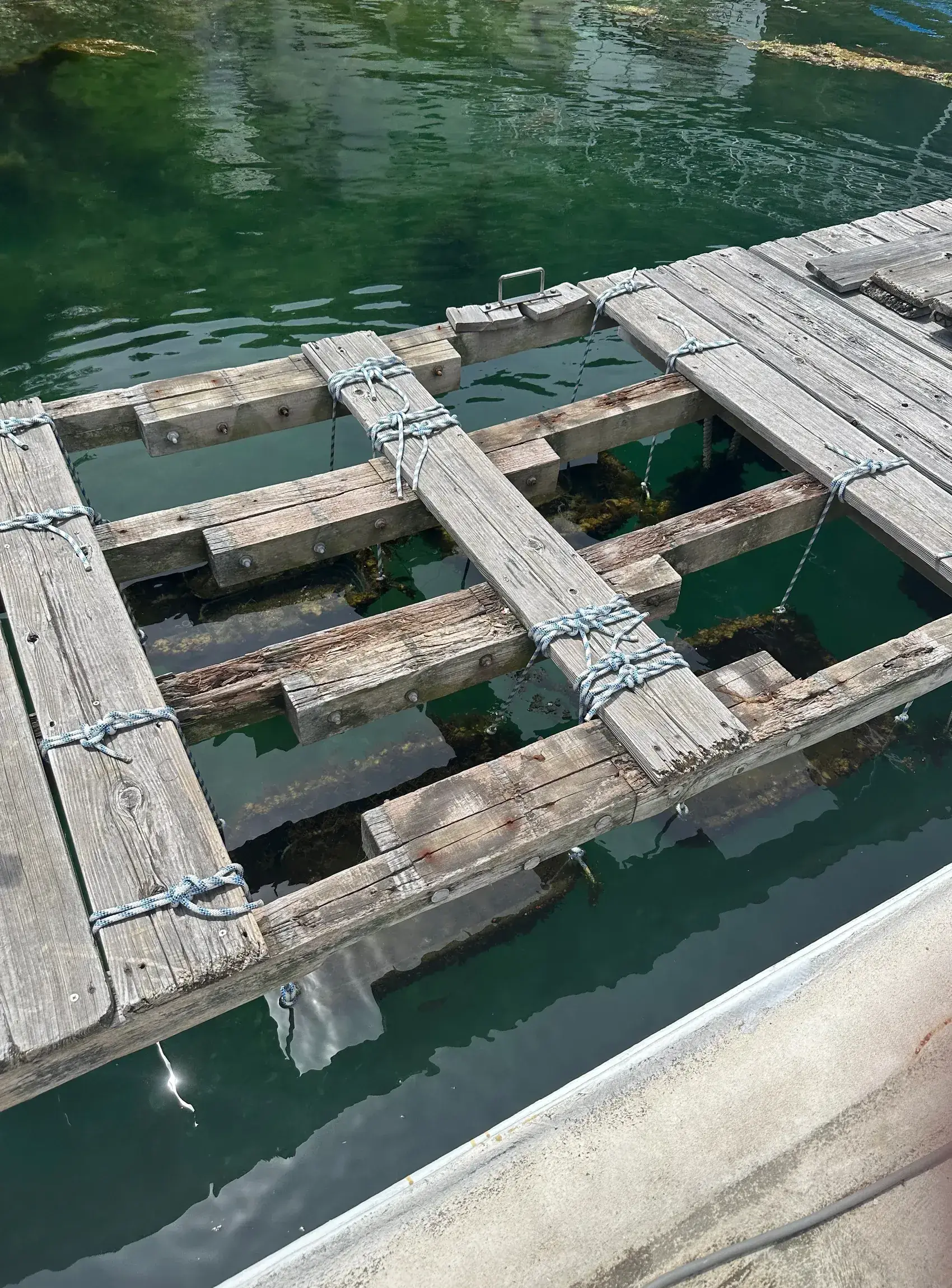
  • A wooden raft afloat in clear water
    Kure
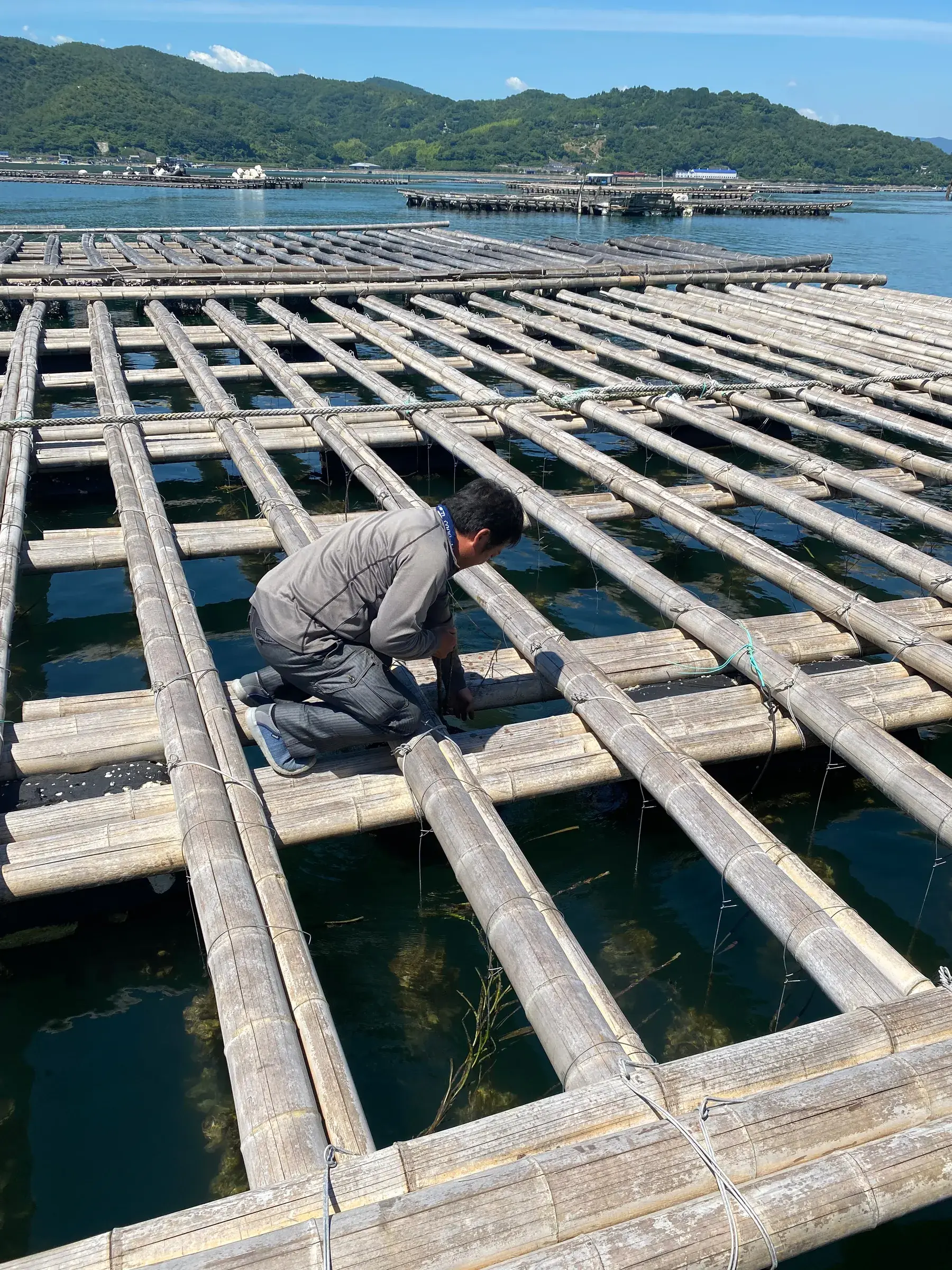
  • Someone crouching on an oyster raft, taking hold of a rope

Fishing and aquaculture nets

Rope given the fluorine-based treatment strongly held back settlement in sea trials reported for KAKEN grant 22K04725 (fiscal 2022–2024; principal investigator: Professor Kensuke Kuroda; co-investigator: Professor Osamu Terakado), using 2 mm vinylon nori-net rope stretched on 50 cm square frames.

Source: Published report of KAKEN grant 22K04725

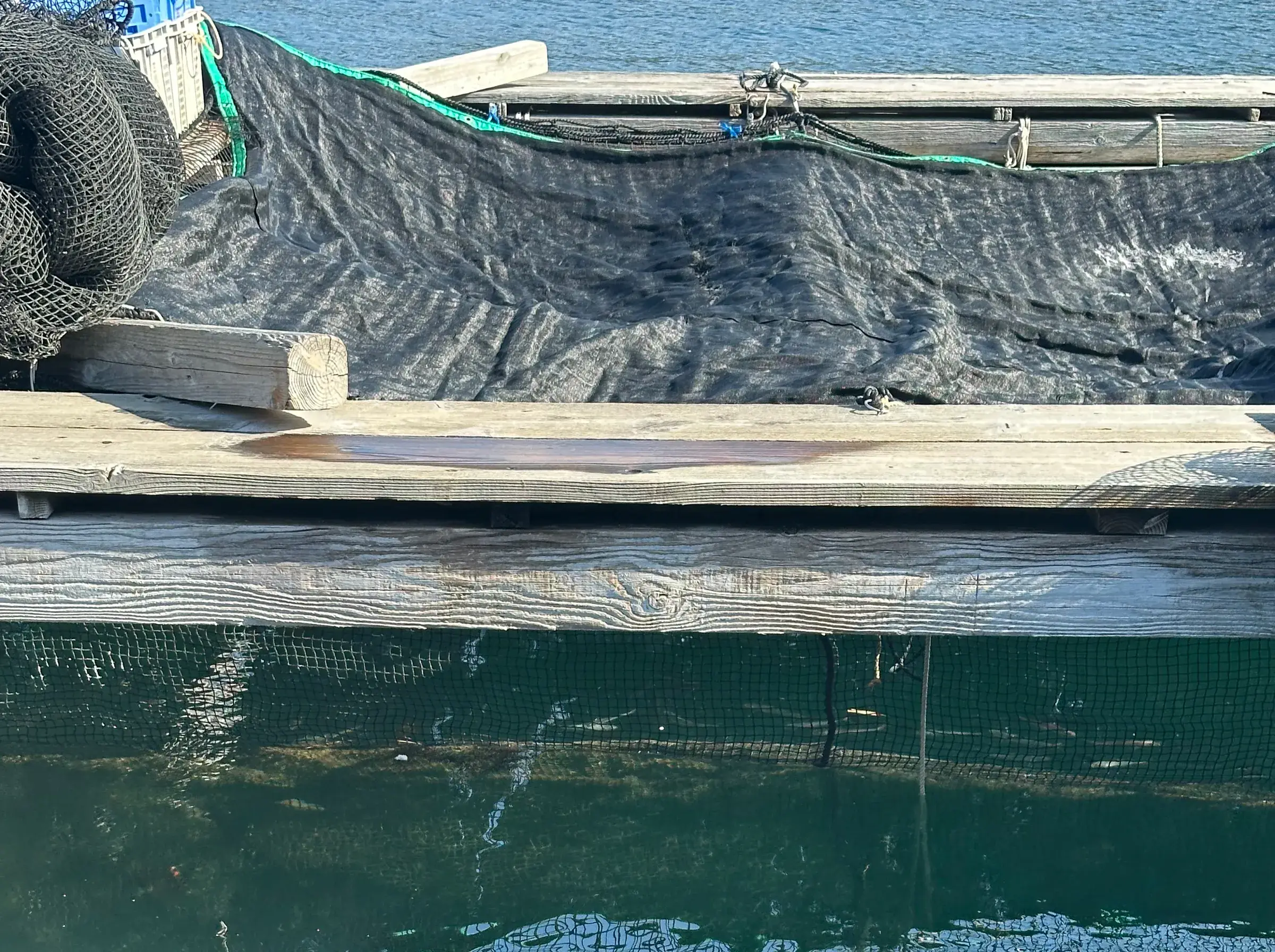
A fish pen of black netting hung from a wooden frame
Kurahashi Island, Kure (illustrative photo)

Content last checked:

Tell us what you would like to try with this use, or what is going wrong.

Ways to work with us

We start with items about the size of a football, which fit our current equipment. Let us know the size of the gear you would like to try.