 SeatecHIROSHIMA Ltd.
Keep it off
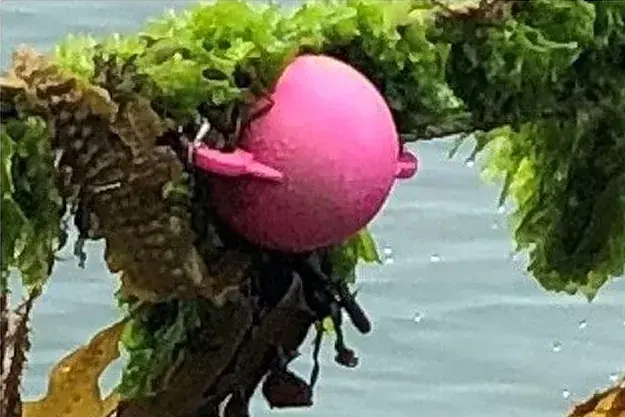
In Professor Kuroda’s research (fiscal 2022–2024, with sea trials in Hakodate and elsewhere), no shellfish or algae had settled on a treated float a year after it was put in the sea.
Investors
A surface treatment that keeps marine life off or helps it take hold, and ocean data that shows where oyster rafts are. Here are the three pillars, with their trials and development. We walk investors through our business and funding plans in person.
In Professor Kuroda’s research (fiscal 2022–2024, with sea trials in Hakodate and elsewhere), no shellfish or algae had settled on a treated float a year after it was put in the sea.
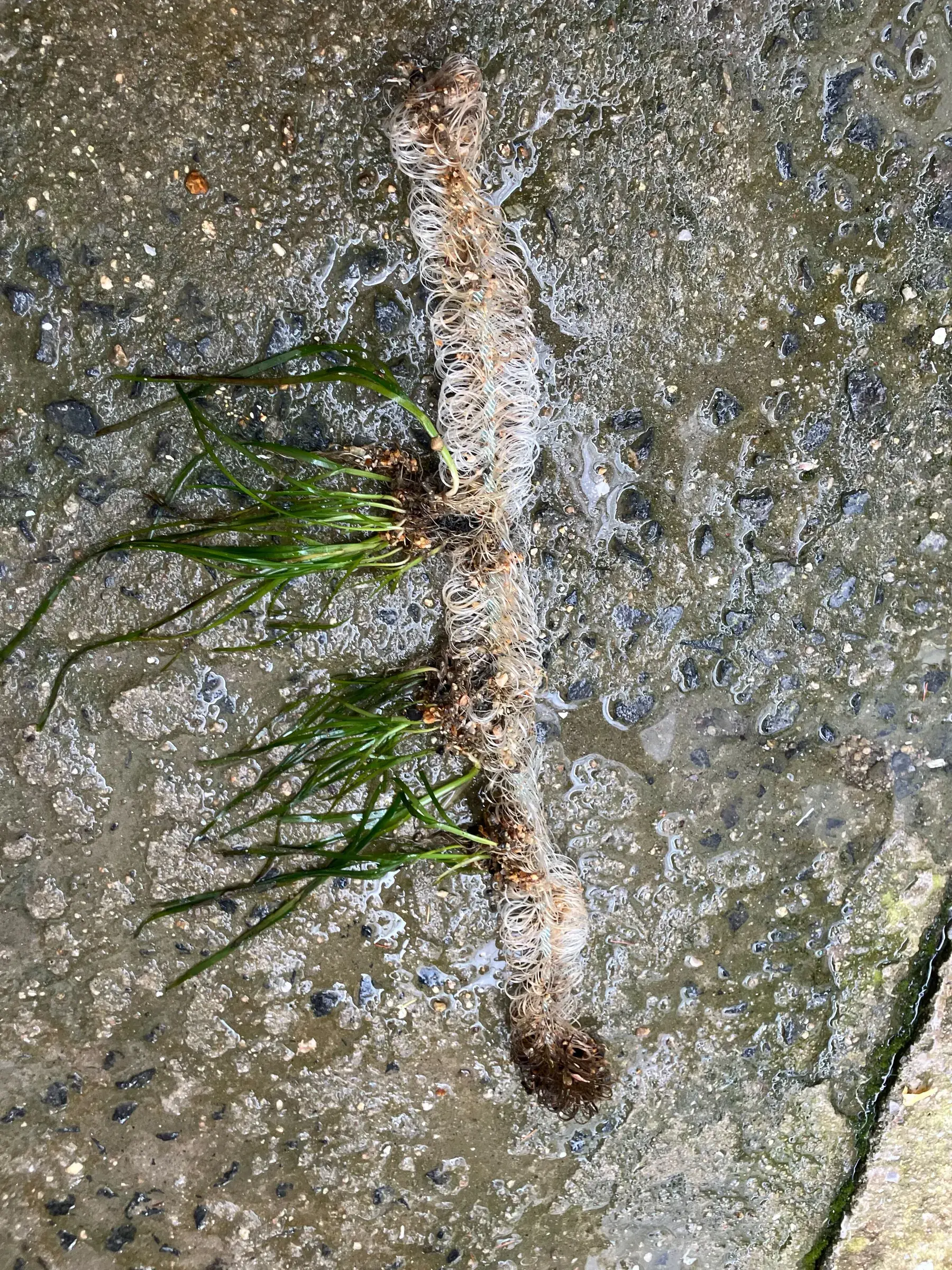
In a trial on Kurahashi Island, Kure, within Professor Kuroda’s research (KAKEN grant 22K04725), eelgrass germinated and grew roots on treated rope (February 2024).
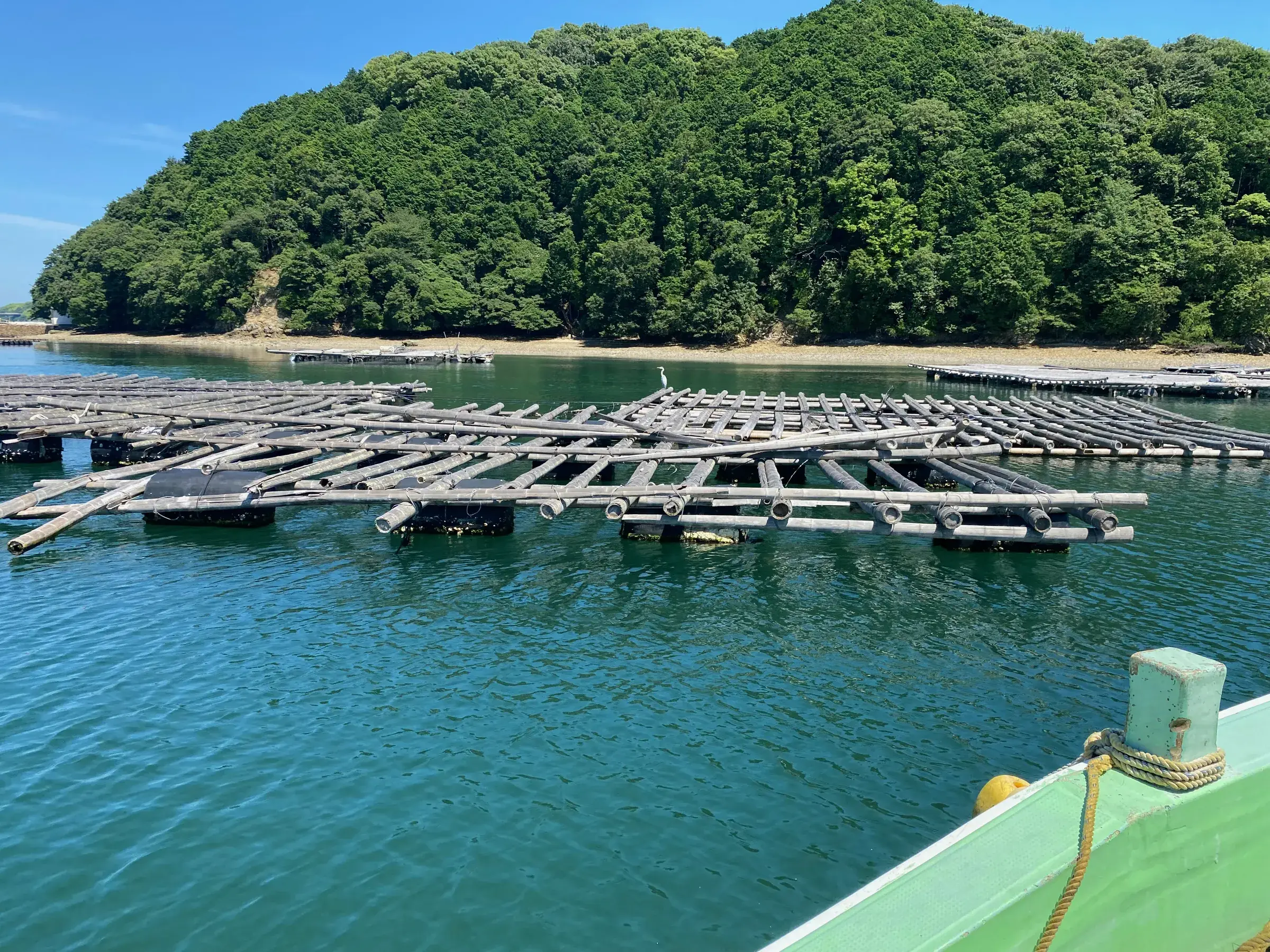
Working with a laboratory at Hiroshima University, our latest analysis found about 90% of the oyster rafts in Hiroshima Bay, checked against the rafts actually afloat. Not every raft is found, so it is meant to be used alongside a lookout.
We are continuing rope trials in the sea at Kure. Rope →
With a soil improver made from treated rice husks, we confirmed faster germination and growth of radishes in Hiroshima Prefecture. A farm in Takehara, Hiroshima Prefecture, used it against the problems that come from growing maize in the same field year after year, and has gone on using it for other crops since. Rice husks for better soil →
Together with a laboratory at Hiroshima University, we analysed satellite data, combining radar images and other imagery. When checked against the rafts actually floating in the sea, our latest analysis found about 90% of the oyster rafts in Hiroshima Bay. Not every raft is found, so it is meant to be used alongside a lookout. Finding oyster rafts in satellite imagery →
The Town & Gown joint research of Kure City and Hiroshima University (October 2025 to August 2026) produced a research and development prototype of a system that shows the positions of rafts found by satellite on a device aboard the boat. We are continuing to develop the system. It is an aid to navigation, not a replacement for charts, radar, AIS or keeping a lookout. Raft positions on a boat’s screen (an aid to navigation) →
We are developing a system in which a smartphone running the app picks up the IKAK signal, uses its strength to estimate the relative distance to the raft, and sounds an alert when it judges the boat is getting close. A phone alert when you near an oyster raft →
We are developing IKAK, a small beacon fixed to rafts. In the Town & Gown joint research of Kure City and Hiroshima University (October 2025 to August 2026), we were responsible for developing the device and the system. IKAK sends out only its own ID number and holds no position of its own. The smartphones of passing boats pick it up. We do not distinguish which boat a signal came from, and we never publish where boats or fishers have been. IKAK (a beacon for oyster rafts) →
Alongside antifouling, we are also building a prototype underwater drone (ROV) for cleaning fouling off ship hulls. Underwater drone (ROV) →
We are developing a cleaning device that removes fouling from ship bottoms with the force of collapsing bubbles (cavitation). The proof of concept was done at Marine Craft Kazenoko and experiments in Shenzhen, and we have a working device. Cleaning with collapsing bubbles (cavitation) →
KAKEN grant 22K04725 (fiscal 2022–2024), led by Professor Kuroda, our technical supervisor, produced the results behind the uses below. The propeller test at Kure and the eelgrass trial on Kurahashi Island also began within this research.
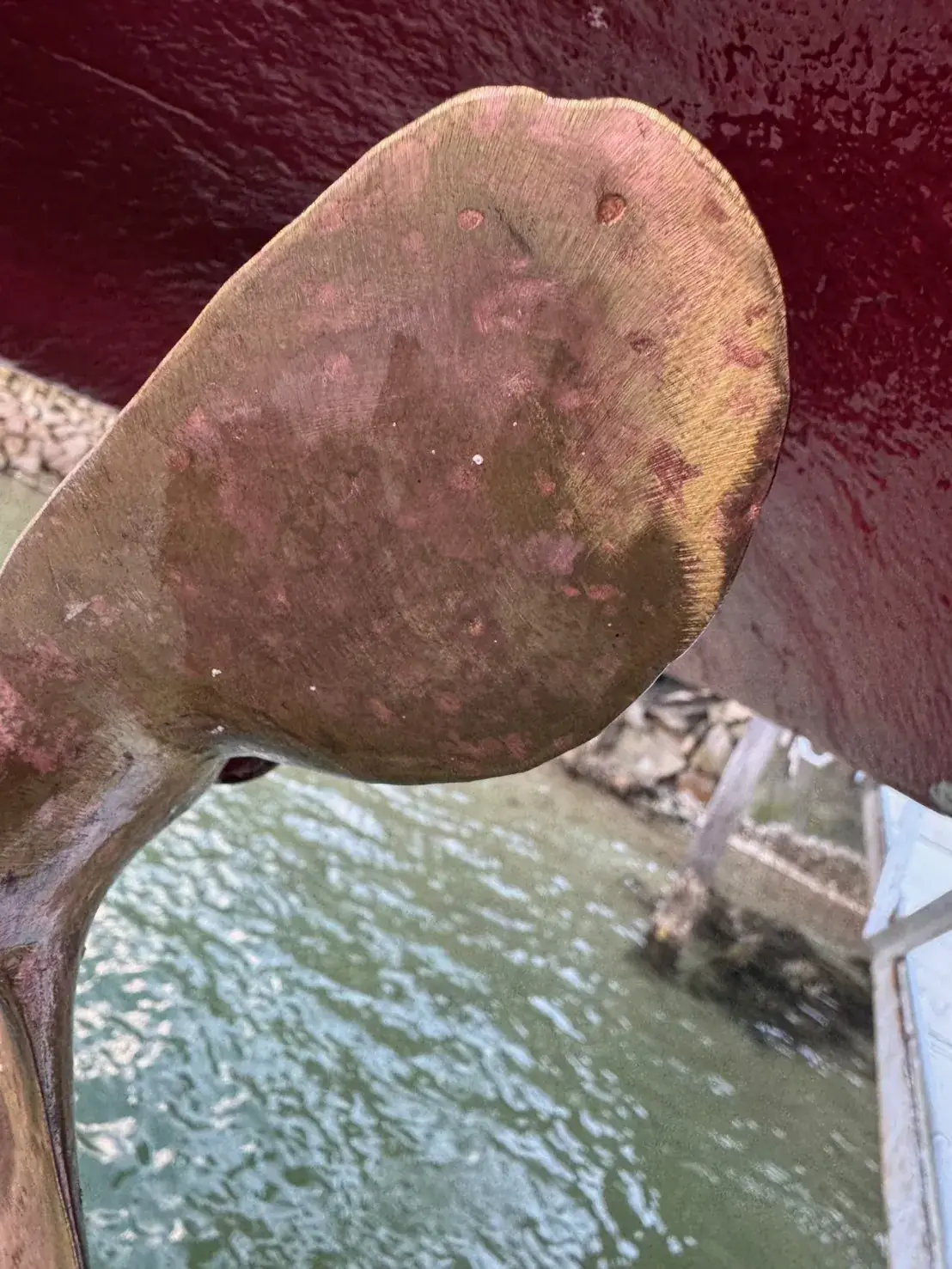
We plan to start with processing: an engineer brings the equipment to you and treats your parts on site, beginning with parts about the size of a football, which fit our current equipment. From there, we are considering licensing the right to treat with our recipe, field by field and region by region. We keep the treatment conditions, the recipe, as a trade secret, and do not hand over the recipe or the intellectual property itself.
An idea in which our engineers bring the equipment to you and treat the parts or materials you use. We also welcome enquiries from anyone who would like to start by trying it on a part.
An idea for licensing the right to treat with our recipe, field by field and region by region, to the manufacturers and contractors who handle mass production and installation.
An idea in which equipment makers build and run the machines that treat rice husks.
Our idea of how the app, the data and the beacons would be offered.
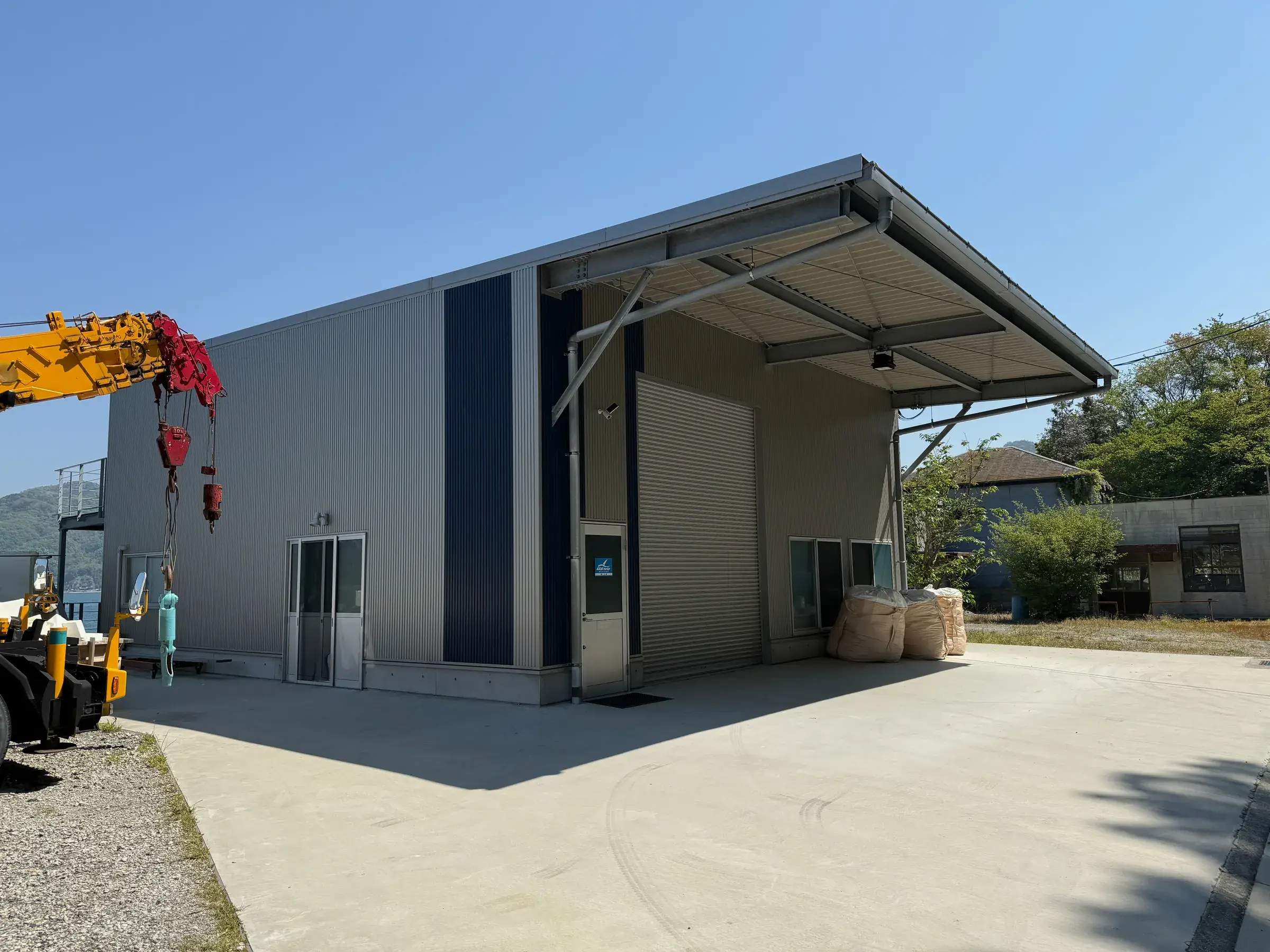
Since October 2025 we have been one of the consortium companies in Hiroshima University’s COI-NEXT centre for a marine cultural city built on ocean remote sensing.
From October 2025 to August 2026, four parties — Hiroshima University, Marine Craft Kazenoko, Inet and our company — studied systems that support oyster raft management and safe navigation.
Kensuke Kuroda supervises the technology in a personal capacity.
Representative, Nagoya Surface Technology
Specially Appointed Professor, Institute of Innovation for Future Society, Nagoya University (2020–)
To arrange a meeting, please use the contact form.
Request a meeting