Eelgrass rooted in treated rope

Eelgrass beds

Restoring eelgrass beds: taking root on treated rope

We use the surface treatment that fights fouling the other way round: rope is treated so that eelgrass can take root on it, with the aim of restoring eelgrass beds.

For local governments, fishing cooperatives and research institutes

Talk to us about this use

The problem

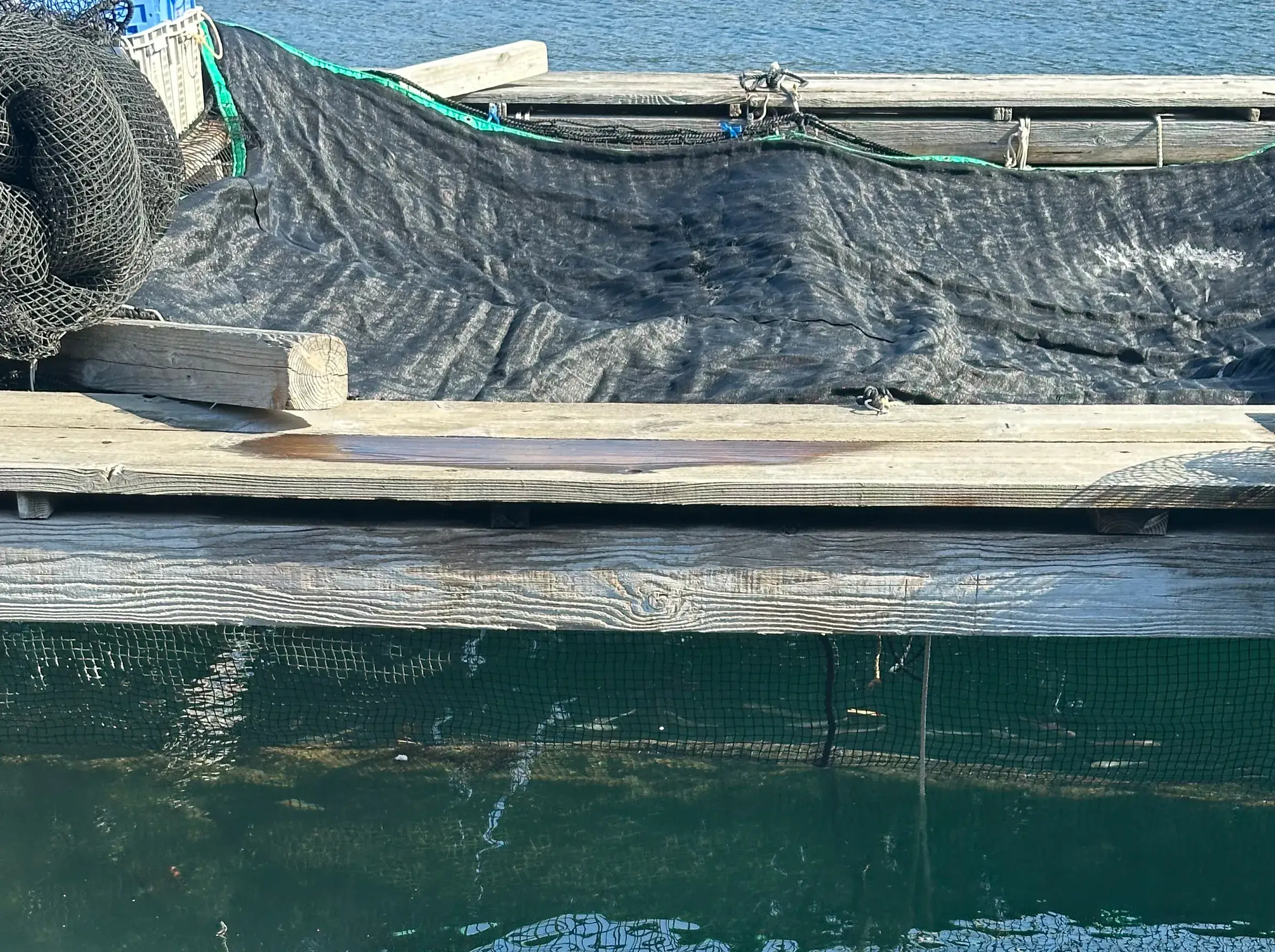
Eelgrass beds give fish and shellfish a place to live. Where beds have been lost, bringing them back by raising seedlings and having divers plant them on the seabed takes a great deal of labour and time.

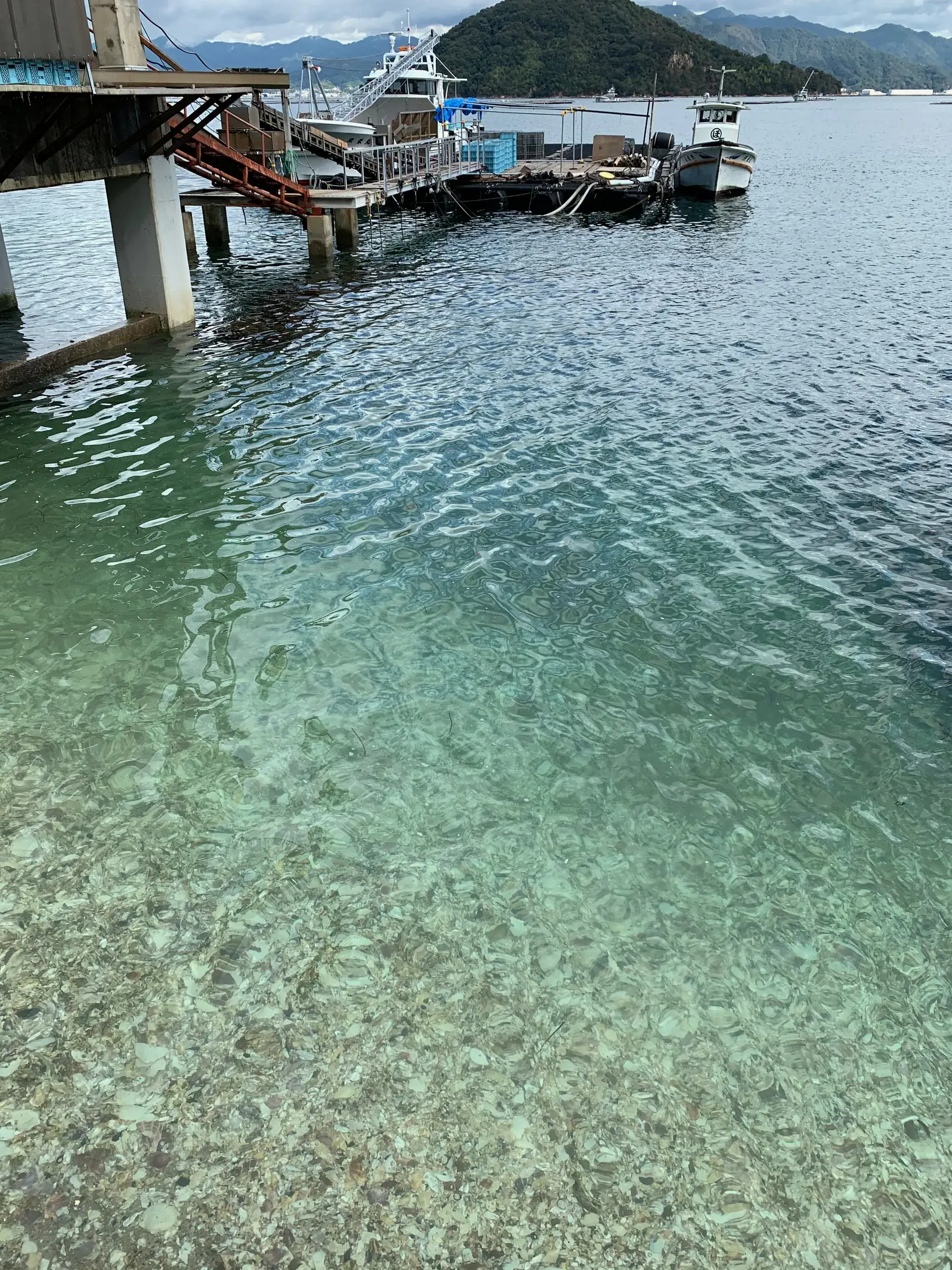
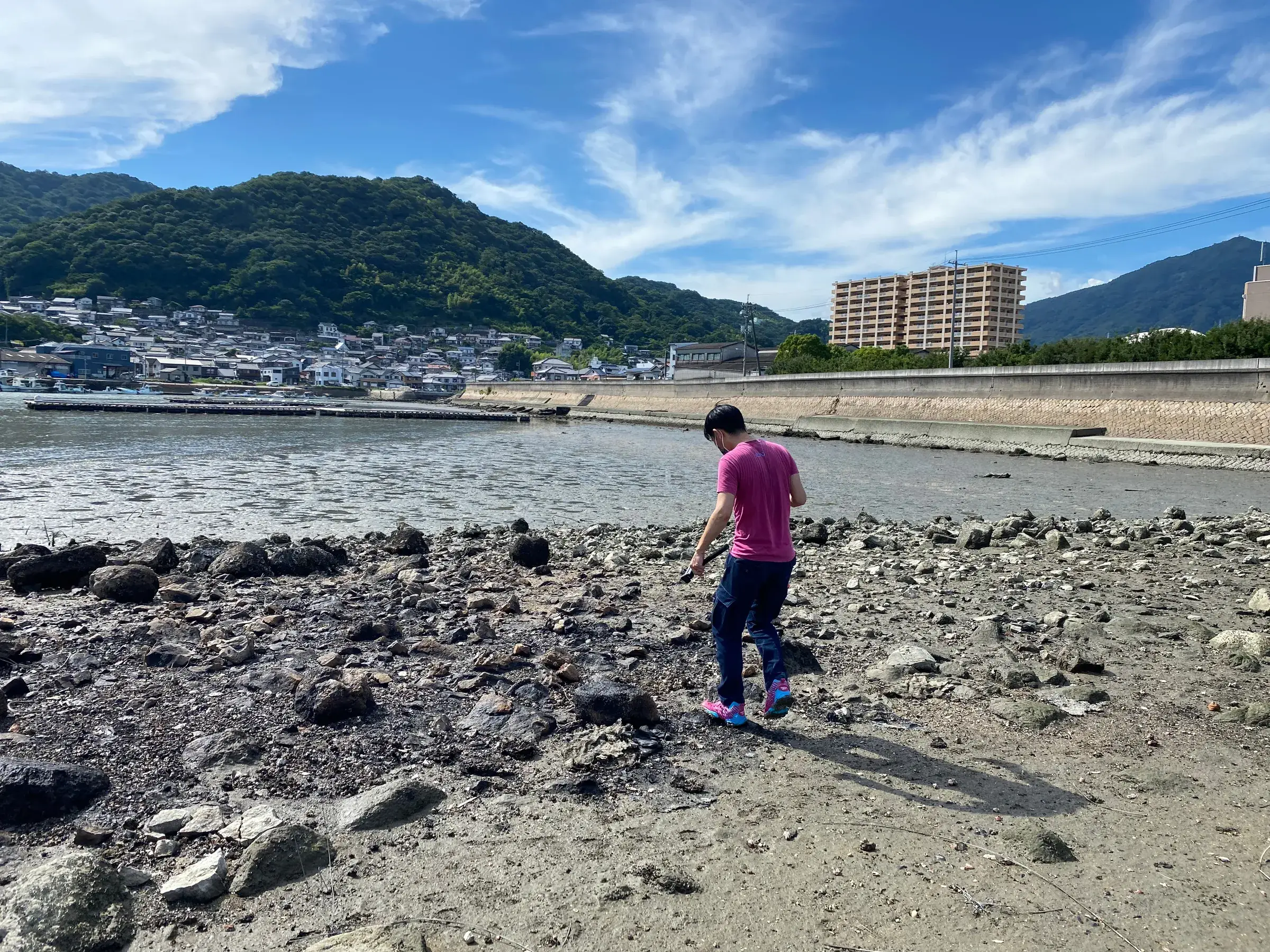
Clear shallow water by a pier, with sand and stones on the bottom

What we do

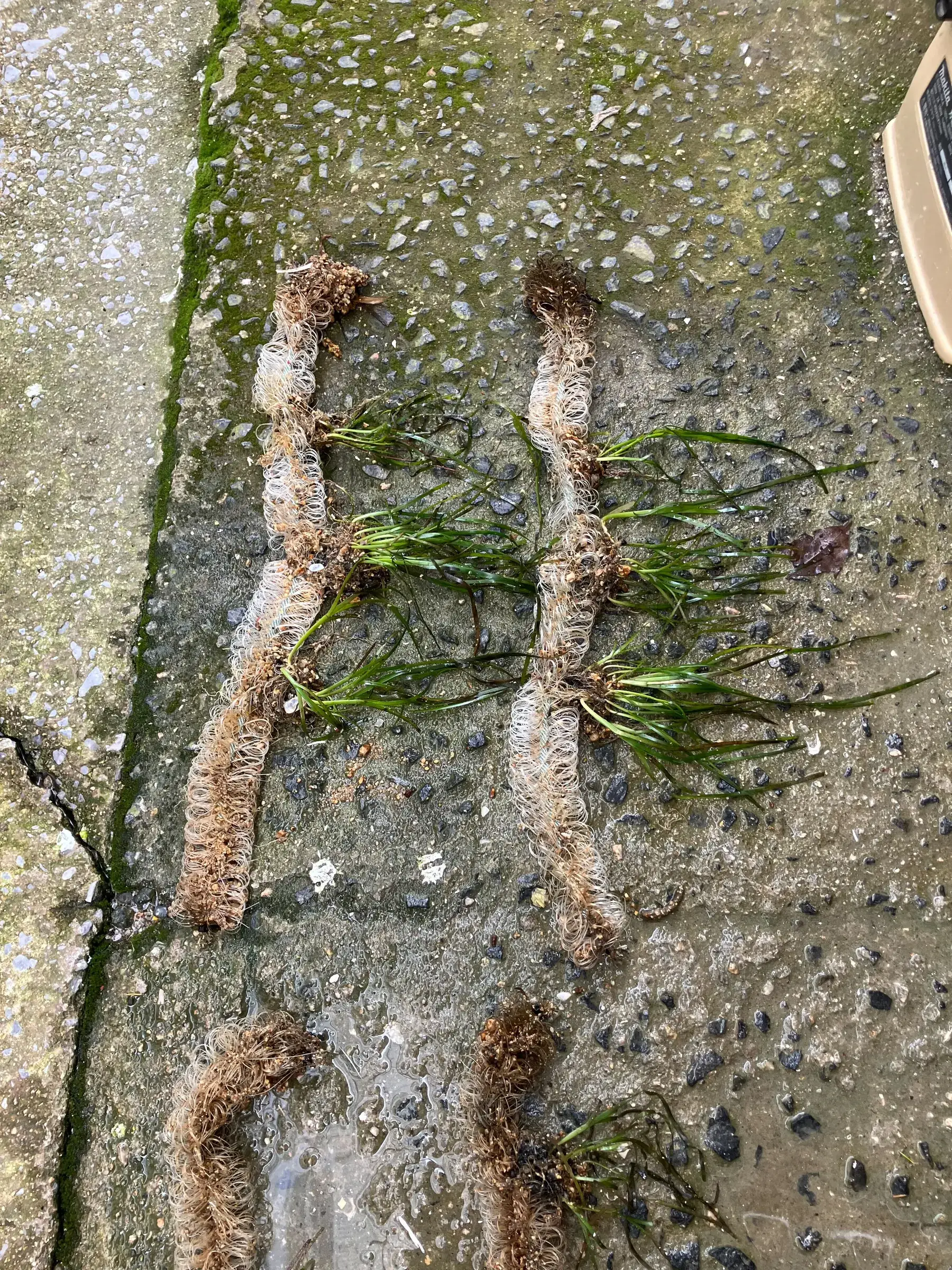
The rope we use has an agent that helps roots take hold fixed to its surface. Laid on the seabed, the rope is meant to catch seeds falling from nearby eelgrass and let them take root, so that divers would not need to plant seedlings.

How the treatment works

Restoring eelgrass beds

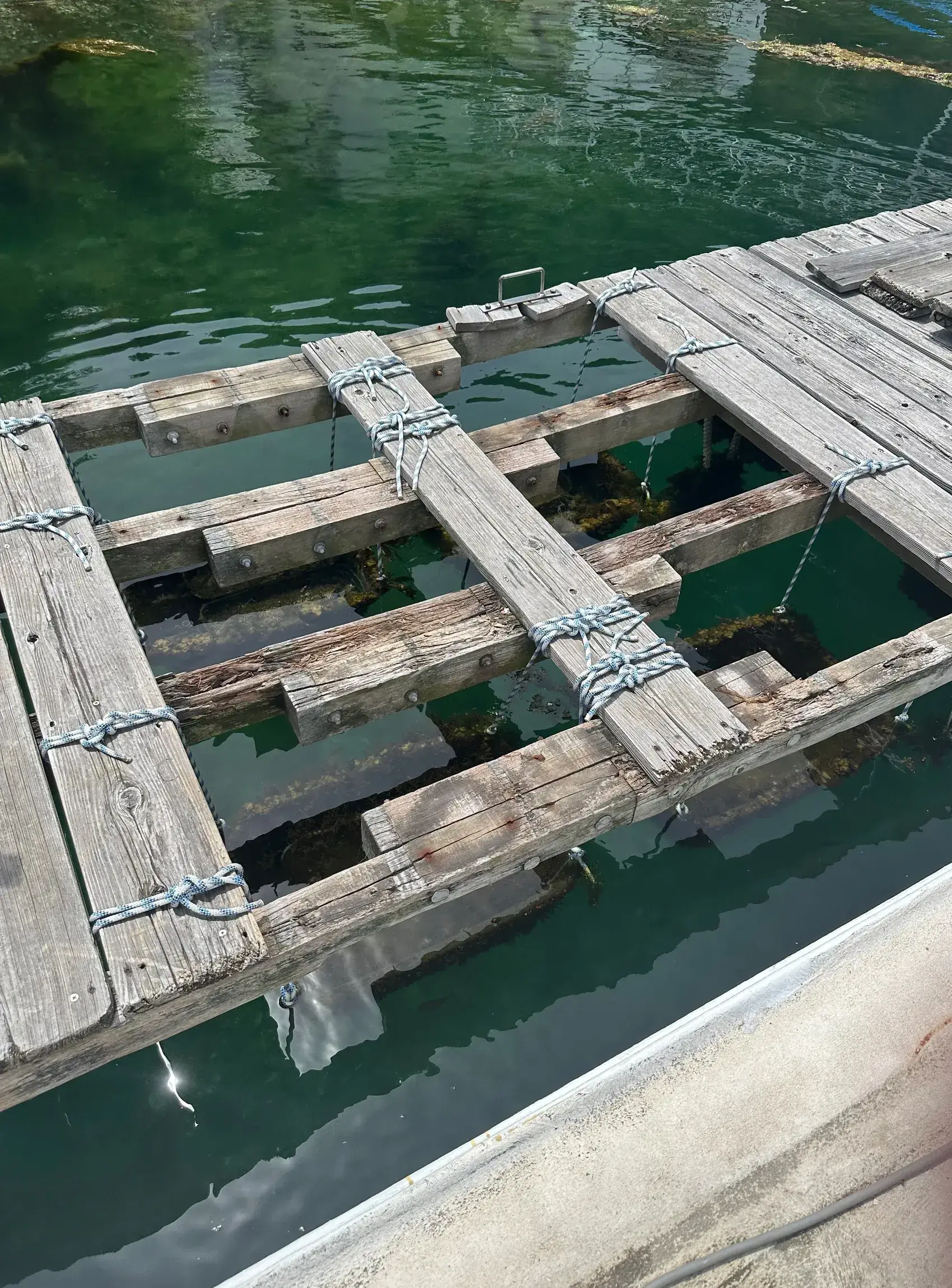
In December 2023, a trial of rope treated so that eelgrass can take root on it began at Marine Craft Kazenoko’s dock on Kurahashi Island, Kure. It is part of KAKEN grant 22K04725 (fiscal 2022–2024), led by Professor Kuroda, our technical supervisor. Marine Craft Kazenoko treats and sets the rope and checks it every day; the co-investigator, Professor Osamu Terakado (National Institute of Technology, Hakodate College), secures the seeds and brings his knowledge of eelgrass. In fiscal 2023, four students of the college also took part, through the KOSEN Open Innovation Program (KOP). In February 2024, eelgrass germinated and grew roots on the treated rope.

Source: Published report of KAKEN grant 22K04725

Continuing the same trial, four conditions were laid on the seabed in November 2024 and compared in May 2025: the treated rope ranked higher for both coverage and number of shoots (the difference is not yet statistically significant).

Eelgrass is also being grown from seed on treated rope in tanks on land.
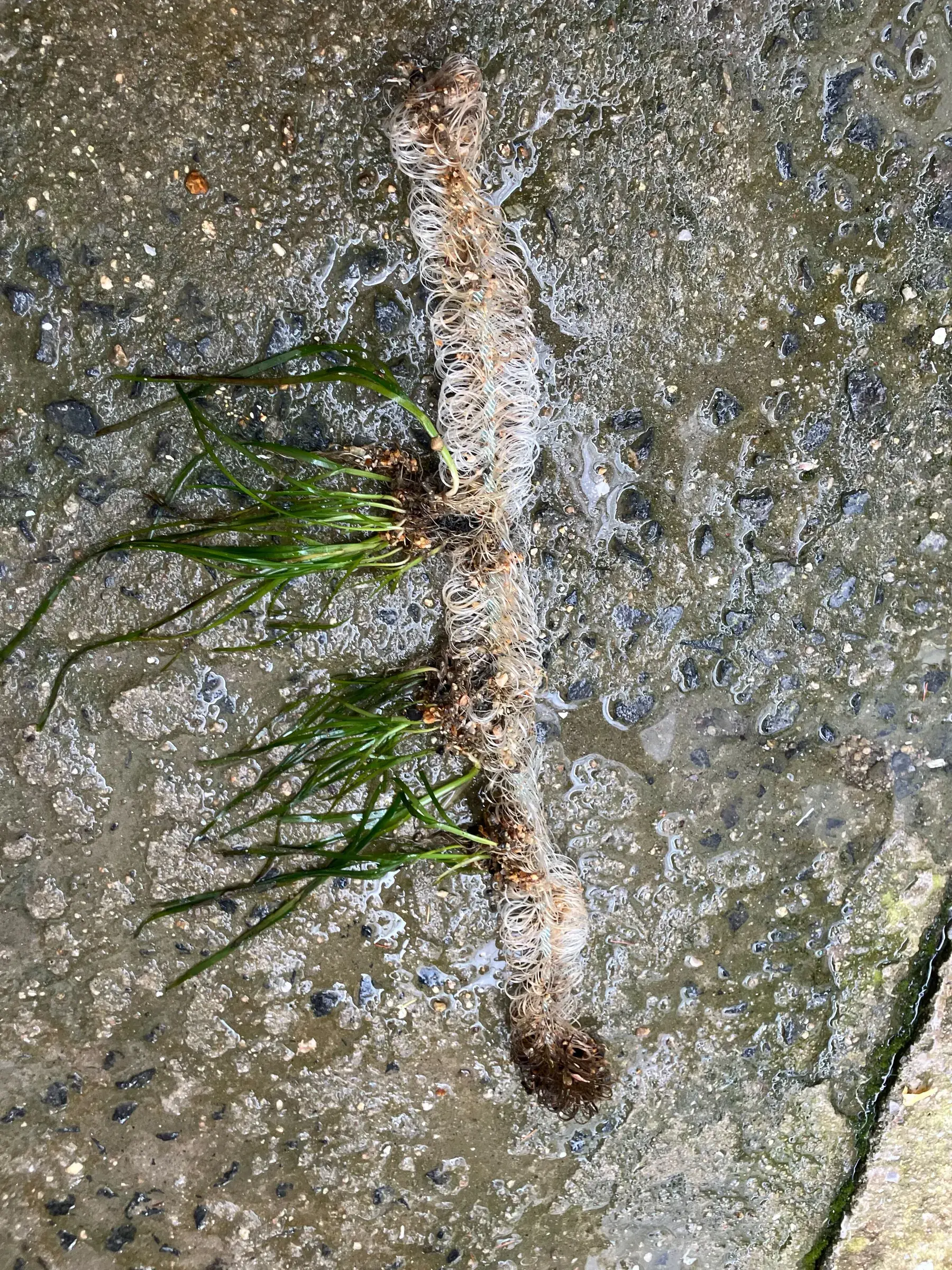
  • Eelgrass growing from treated rope
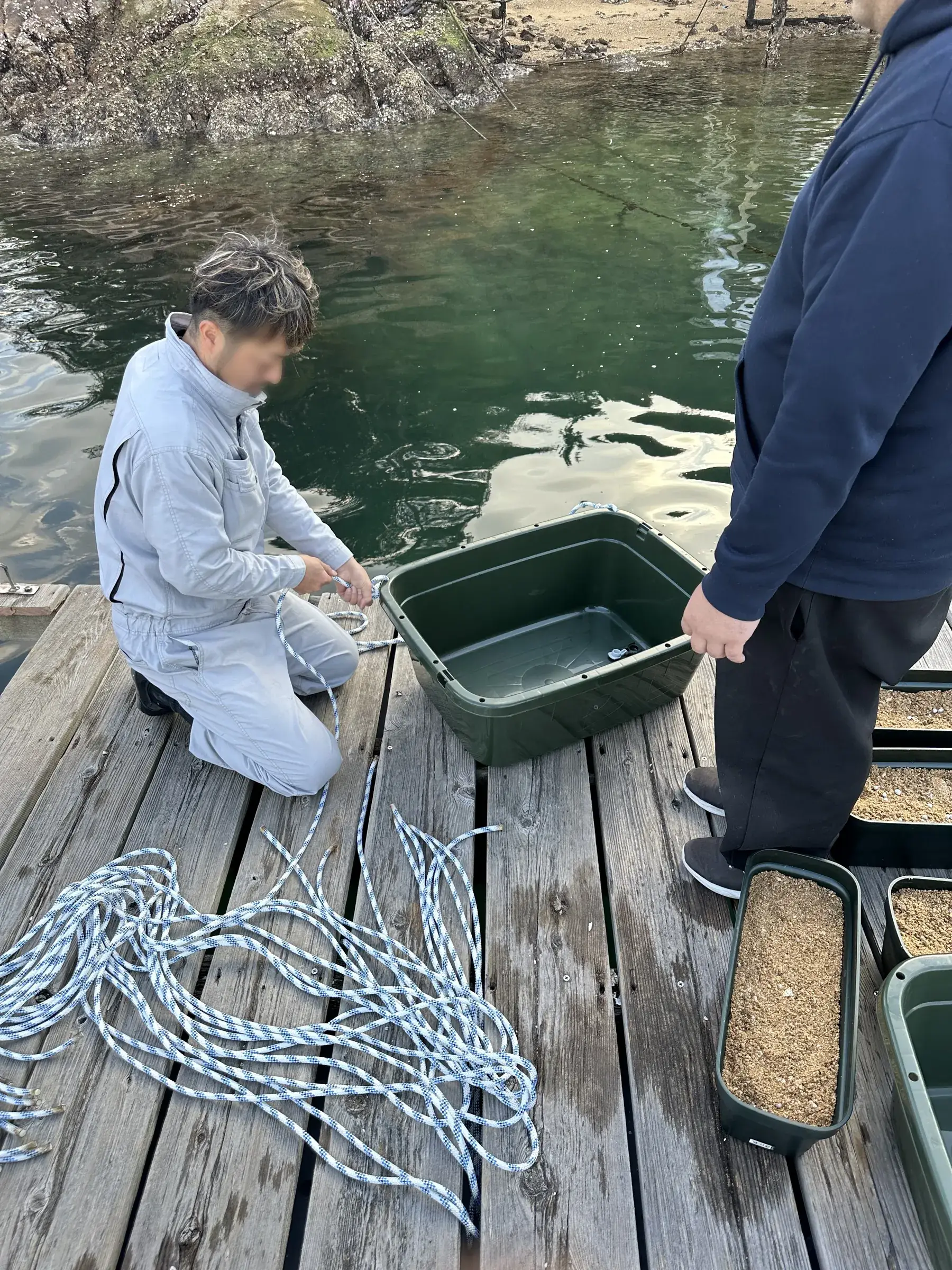
  • Setting up the eelgrass trial on the raft
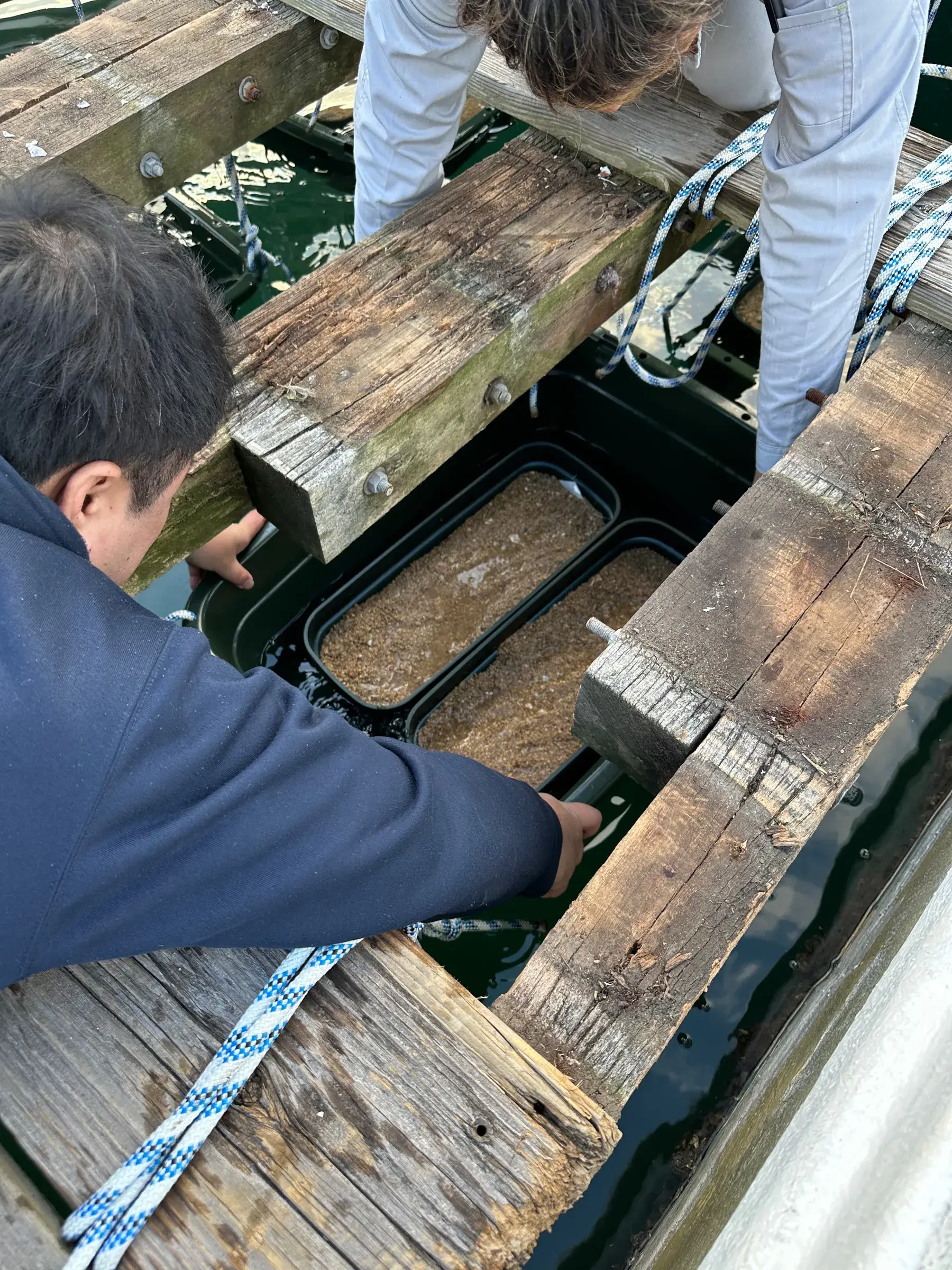
  • Lowering a tray of sand into the sea from the raft
    Kurahashi Island, Kure (December 2023)
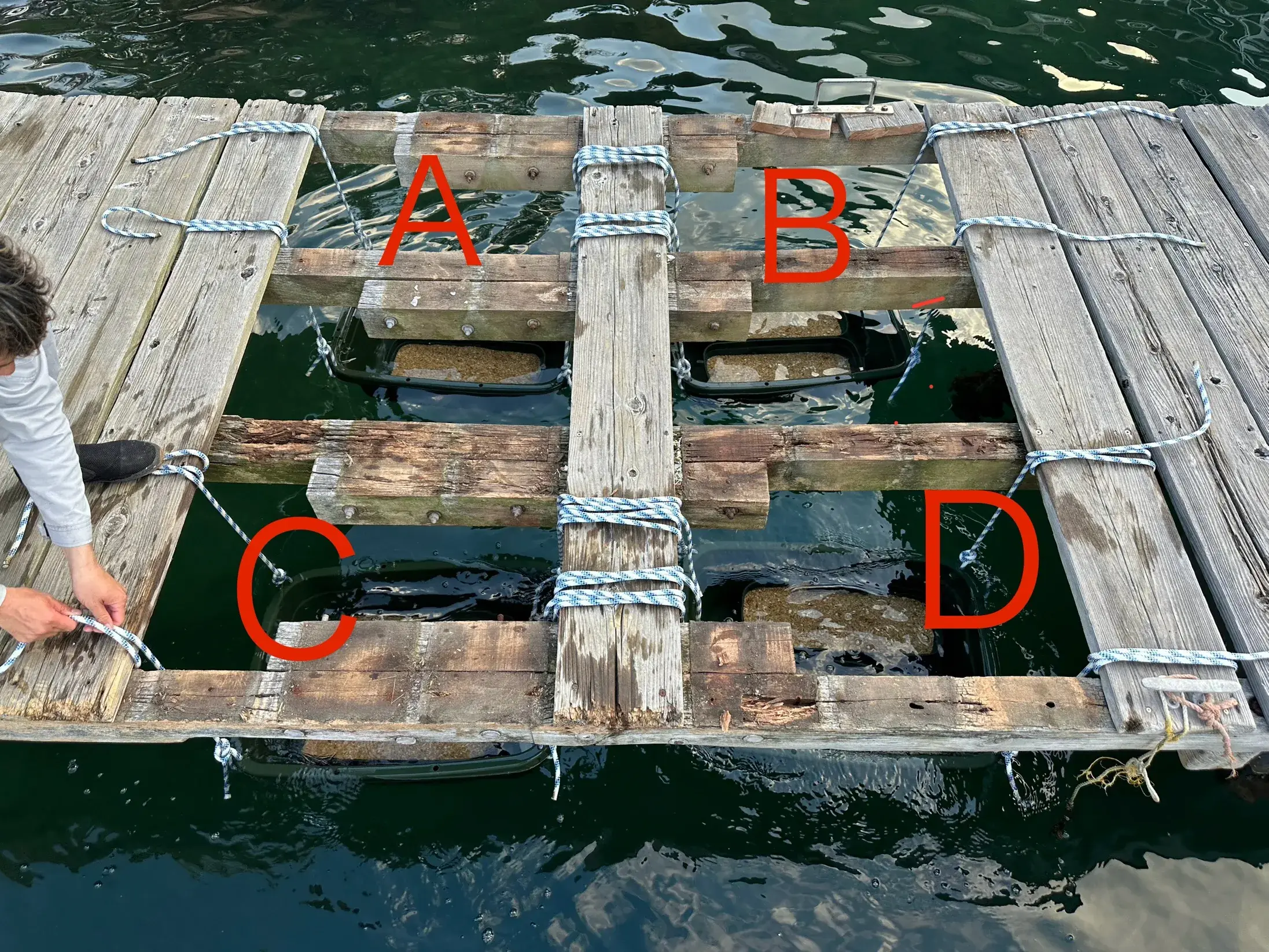
  • A raft frame divided into four plots, marked A to D
    Kurahashi Island, Kure (December 2023)
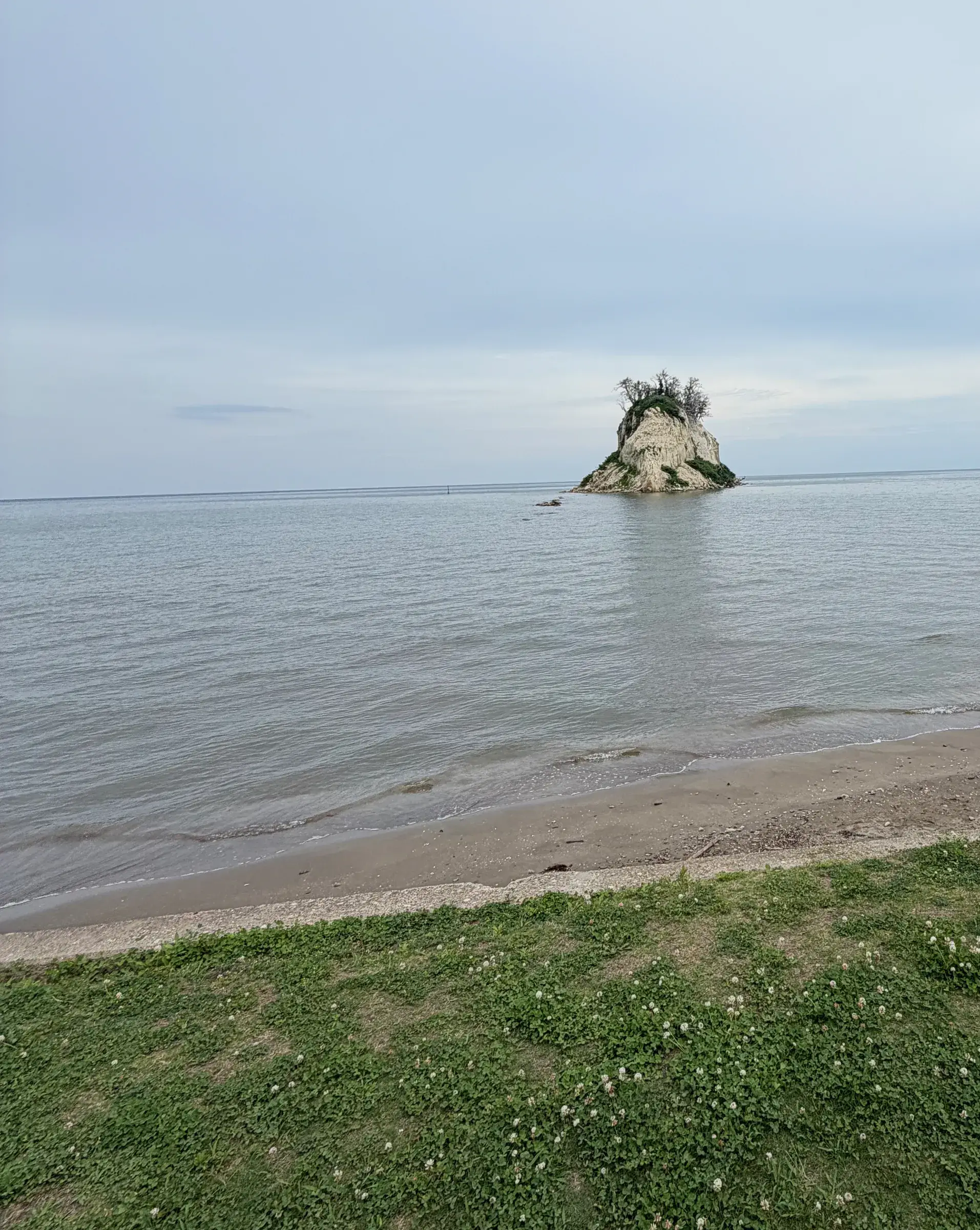
Restoring seagrass and seaweed beds in Nanao Bay (Noto)

We are considering a plan for Nanao Bay in Noto in which local fishers use a surface-treated base material. Seedlings would be raised on land and set in the sea to help them take root, and the extent of the beds and the way fish gather there would be measured. We are thinking of a scheme in which local governments, companies and others bear the cost.

  • A calm sea and a small rocky islet in Noto
    Noto (July 2026)
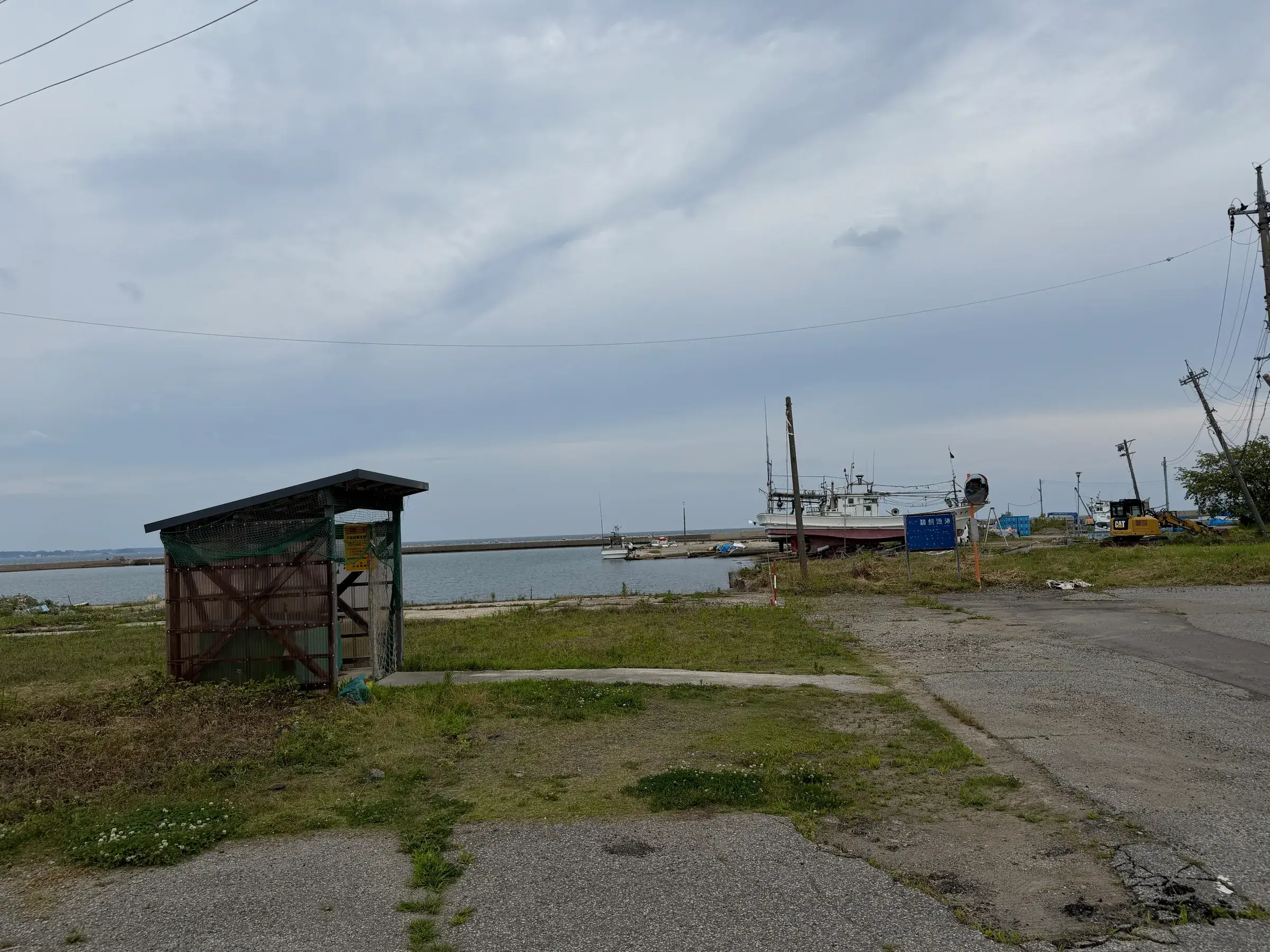
  • The shore in Noto: a hut and a harbour with boats

Content last checked:

Tell us what you would like to try with this use, or what is going wrong.

Ways to work with us

Besides joint research and field trials, we are considering selling treated materials for restoring seagrass beds, and blue carbon credits.