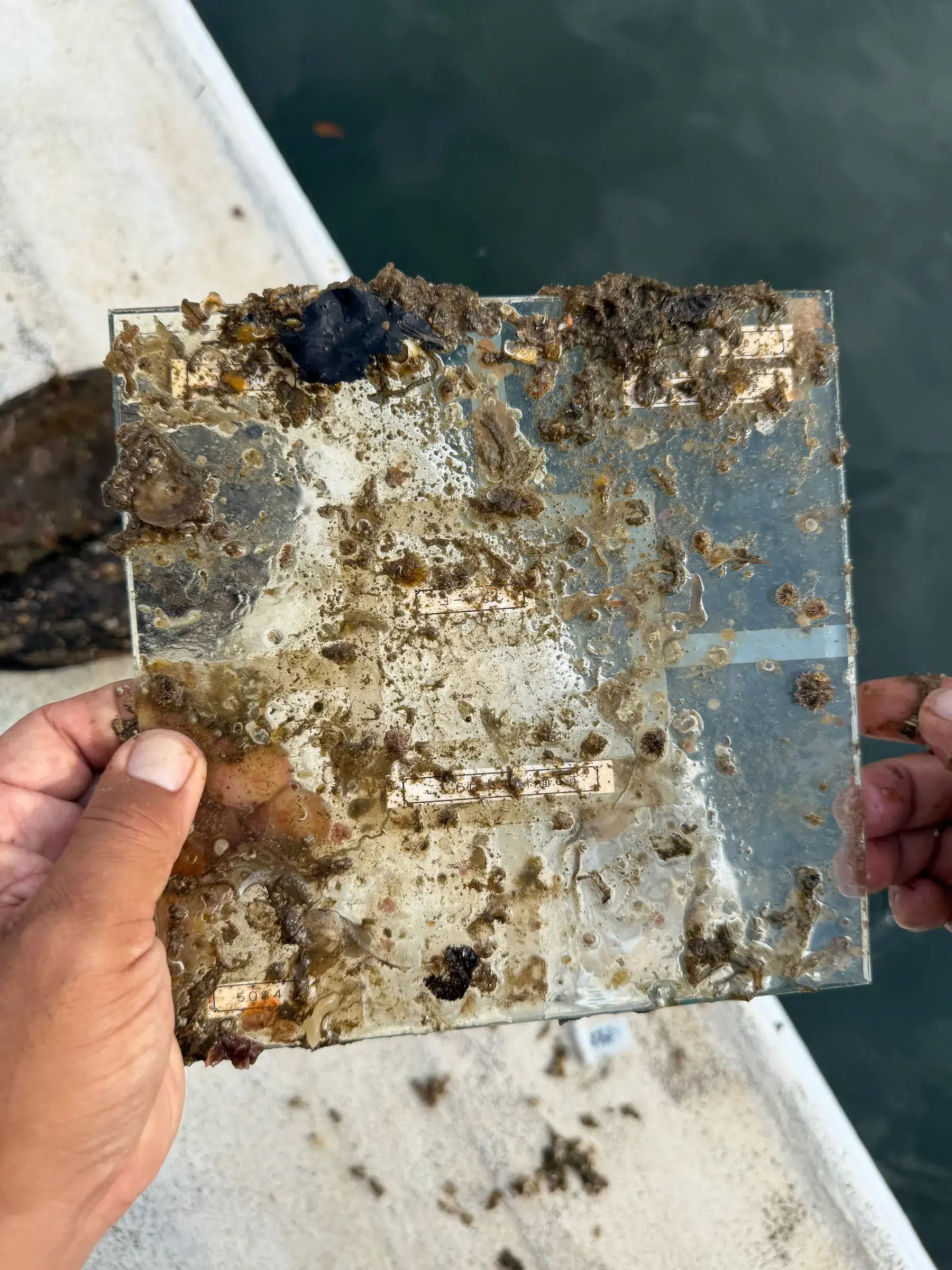
A test panel taken out of the sea, with growth on it

Technology

Stick or don’t stick: the surface decides, and we can change it.

Barnacles and algae both begin by gripping a material’s surface. So that is where we work — on the surface itself. We treat it so marine life finds it harder, or easier, to settle. That is surface modification.

How the surface is made

  1. Condition the surface

    We condition the material’s surface with plasma or electrochemical treatment.

  2. Build a scaffold

    We build a very fine scaffold on the surface.

  3. Fix what is needed

    To keep life off, a fluorine-based agent also used in dental care. To help it take hold, nutrients, useful microbes or other things that help living things root and settle.

We use no copper, silver or other biocides.

A treated brass propeller. Even coated in oil-based ink, it wipes clean with a rub of the finger under water.

Designing what sticks — and what doesn’t.

At the heart of the technology is control over what settles: keeping things off where they are not wanted, and actively helping them take hold where they are welcome. Our ocean data business (OceanMap) takes the same idea into ocean information, and uses no surface treatment.

See ocean data
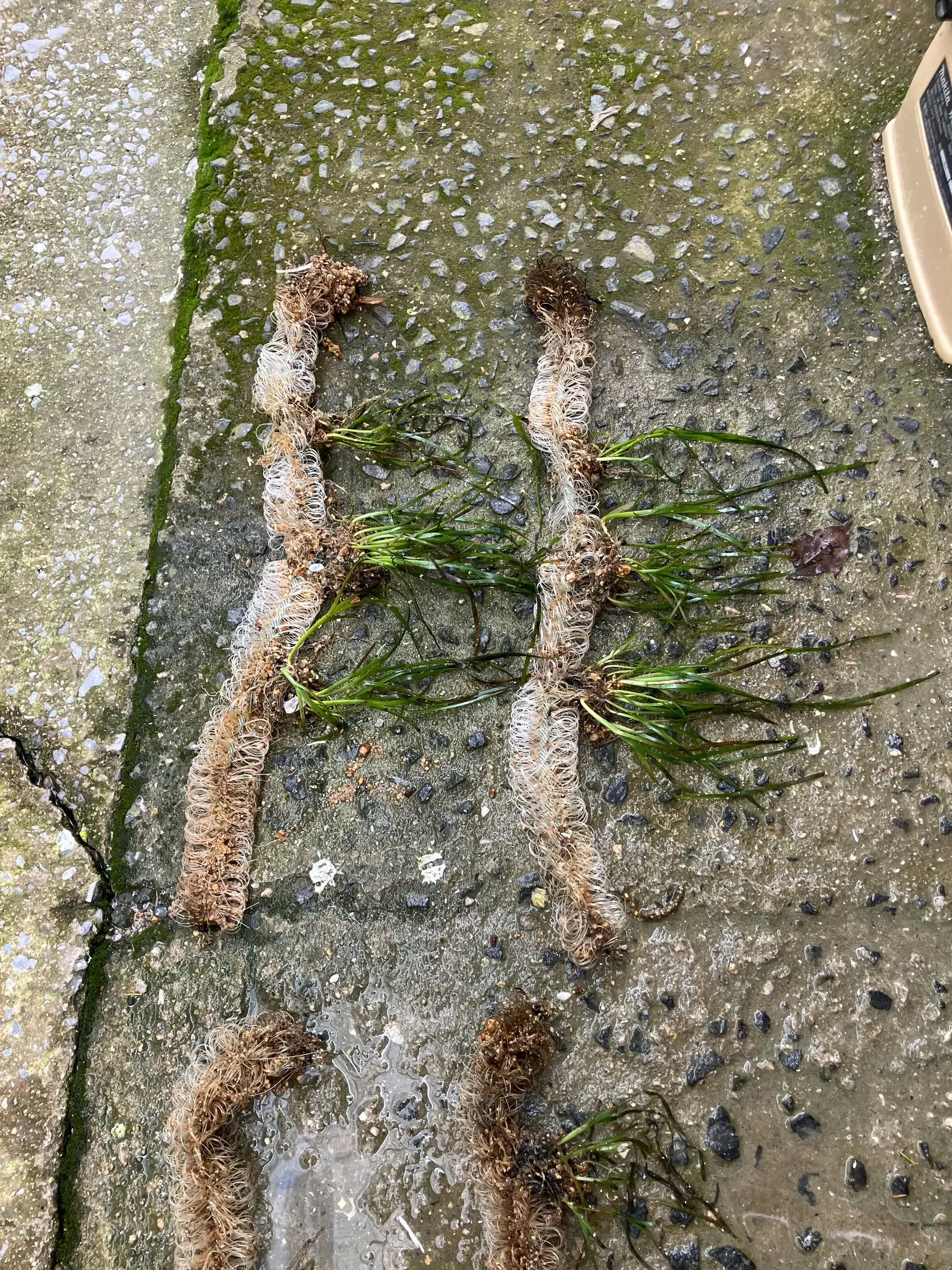
Eelgrass rooted in treated rope

It began with research on dental implants.

The technology grew out of research on surface treatments for dental implants that Kensuke Kuroda (Representative, Nagoya Surface Technology; Specially Appointed Professor, Institute of Innovation for Future Society, Nagoya University) has pursued since 2003. That research was extended to protecting metals from corrosion, and from there to the sea and to farming. Kuroda supervises the technology in a personal capacity.

We keep the recipe, and license the right to treat with it.

Our edge is know-how in the treatment conditions — the recipe. We protect the recipe as a trade secret, and are considering licensing the right to treat with our recipe, field by field and region by region. The recipe and the intellectual property themselves are not handed over.

See technology licensing

Where the technology comes from: Kuroda’s research (KAKEN grant 22K04725)

KAKEN grant 22K04725, led by Professor Kuroda, our technical supervisor, tested both kinds of treatment in the sea: one that makes it harder for marine life to settle, and one that makes it easier. The research ran from fiscal 2022 to 2024, with Professor Osamu Terakado as co-investigator.

Sea trials of rope and floats (KAKEN grant 22K04725)

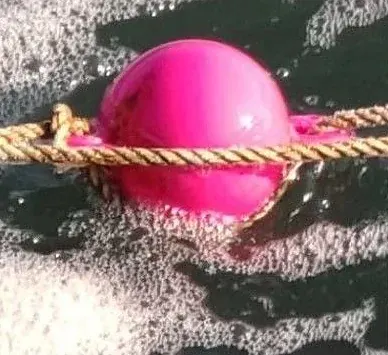
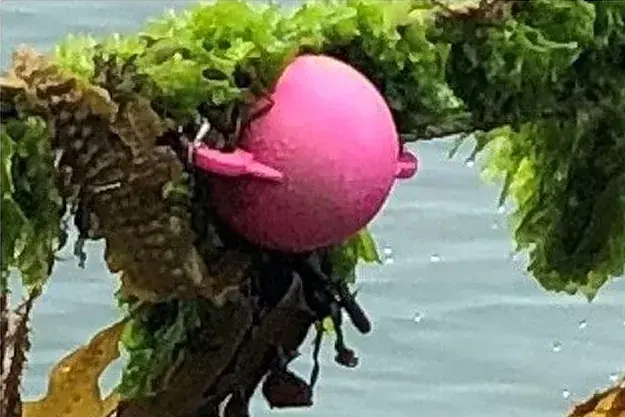
In the research’s sea trials (fiscal 2022–2024), far less algae and shellfish had settled on 16 mm vinylon rope even after 10 months. The same trend was seen on 2 mm rope. On a small polyethylene float (about 150 mm across), no shellfish or algae had settled a year after it was put in the sea. Fouling was held back on a ship propeller as well (it was fitted to a boat that ran almost every day), and part of the treatment wore away within five months.
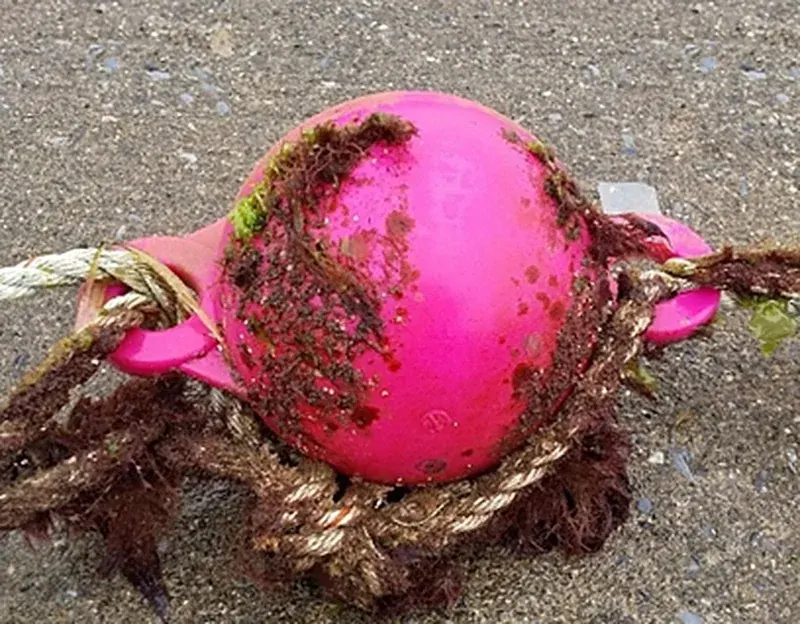
An untreated float and rope, with algae growing on themUntreated
A treated float on a ropeTreated
A treated pink float after a year in the sea, with seaweed grown thick on the rope holding itTreated, a year on
A year after it was put in the sea

Antifouling with silver, copper or zinc ions, or precious metals (tried in research, and not used)

Methods using silver, copper and zinc ions were also tried. In the sea, however, waves wore the surface away and the effect did not last, so the research moved to fixing a fluorine-based agent to the surface. We use no copper, silver or other biocides. Precious metals worked in the lab, but they are not used because they are not practical, for cost and other reasons.

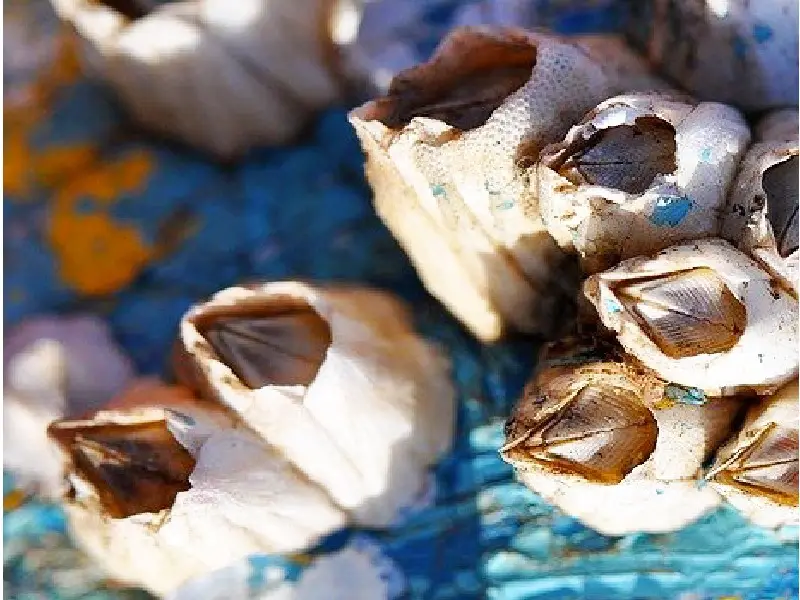
A close-up of barnacles

Source: Published report of KAKEN grant 22K04725

Six exhibits, one technology

Exhibits and prototypes we show at events. Each one uses the same surface treatment. Nos. 01–04 were made by Professor Kuroda, our technical supervisor, himself; they are not our products.

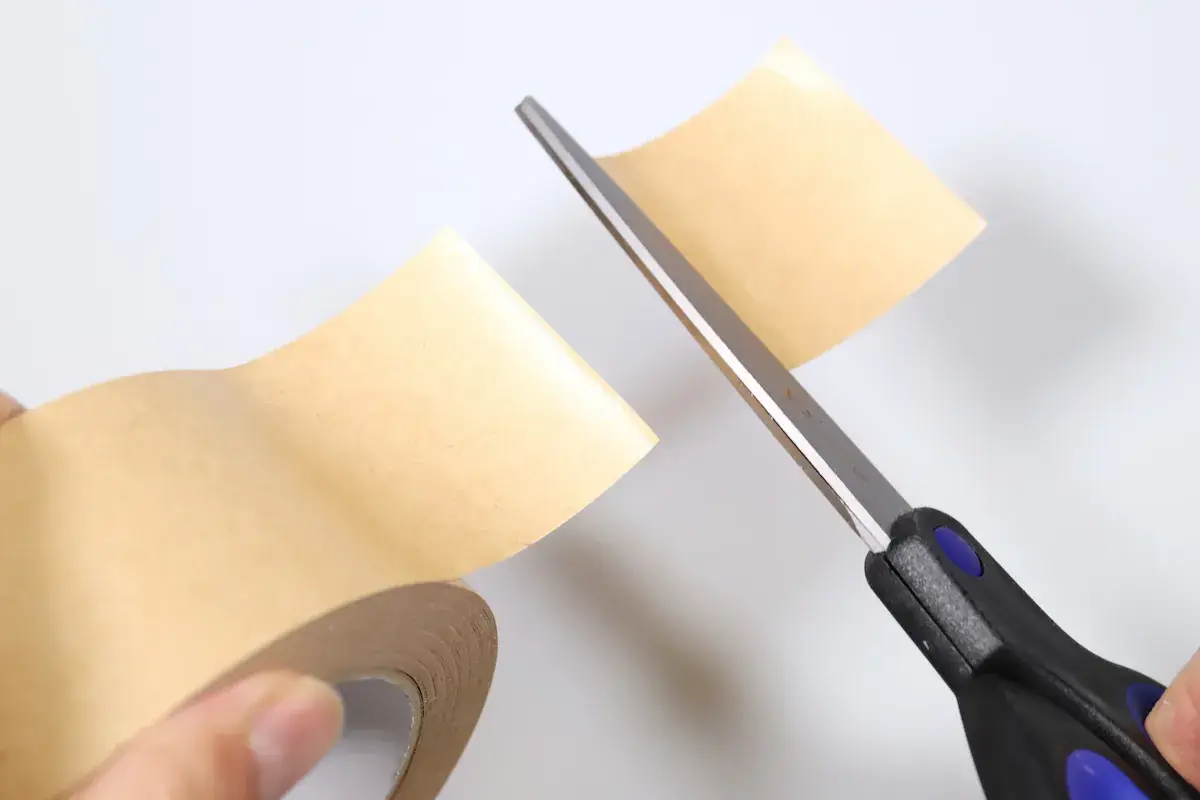
  1. Scissors cutting kraft tape
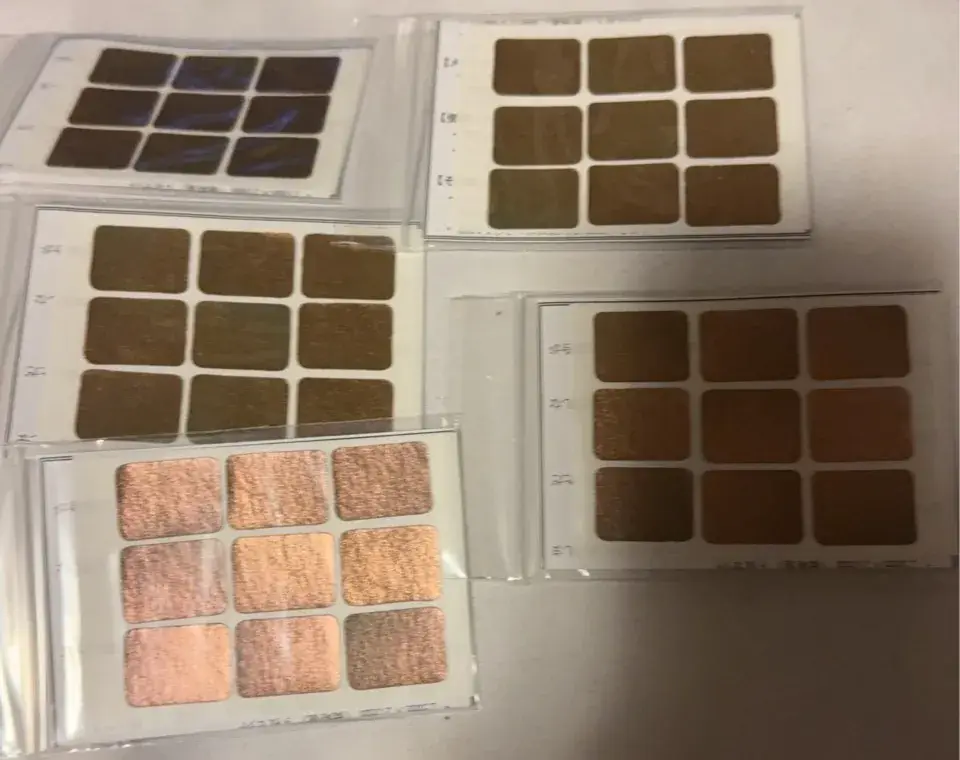
  2. Small square samples laid out on cards

    02Help it take hold

    A film of gold on kraft tape

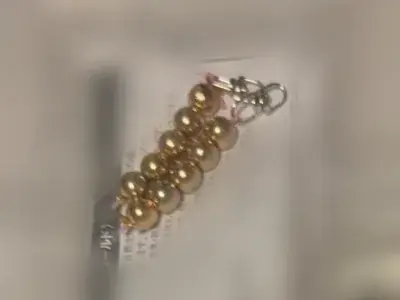
  3. Small gold-coloured beads in a bag

    03Help it take hold

    Gold beads for shoes (prototype)

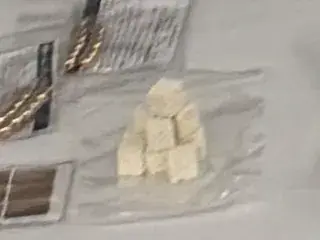
  4. White ceramic blocks on an exhibition table

    04Help it take hold

    Ceramic that microbes can live on

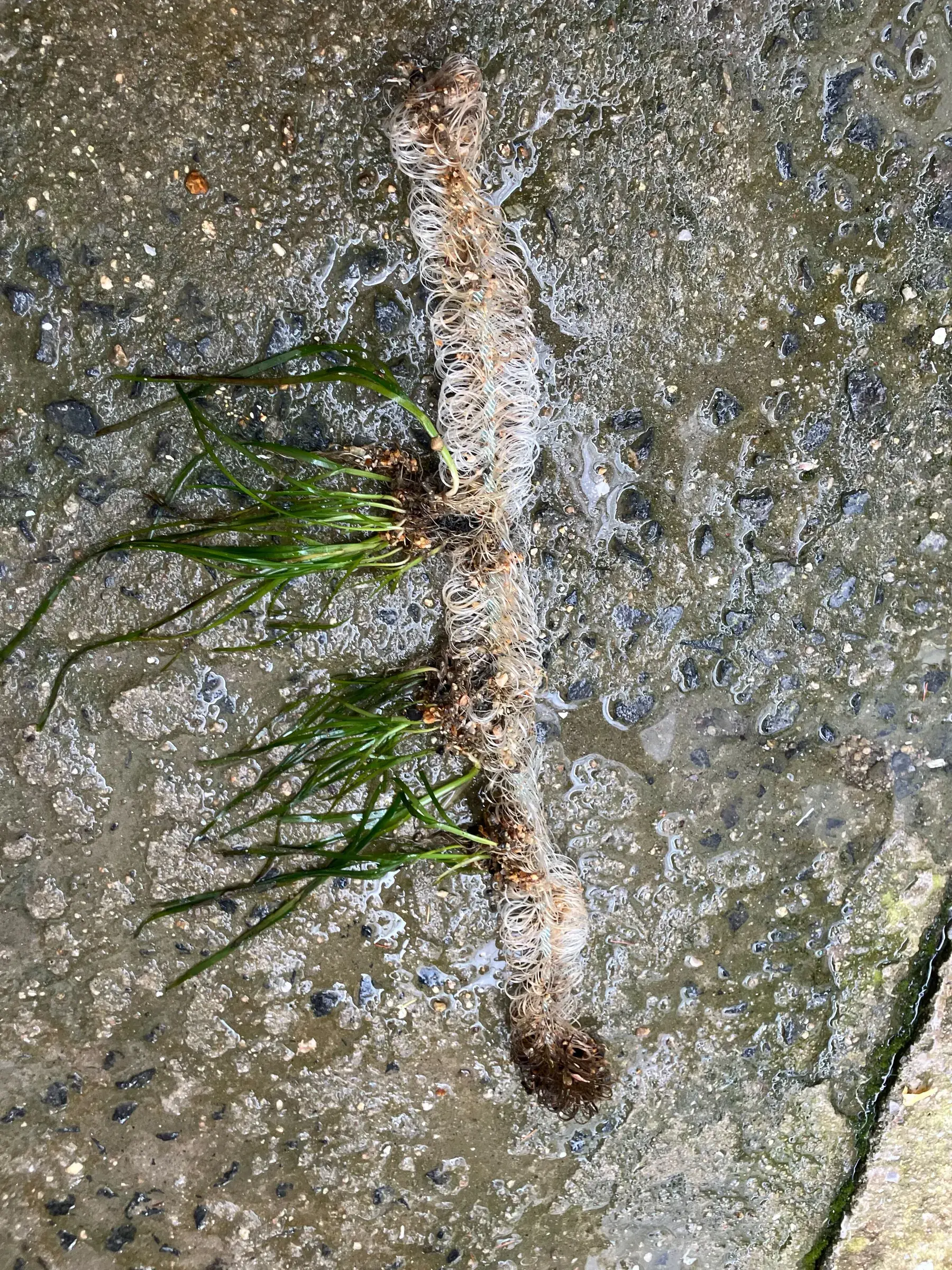
  5. Eelgrass growing from treated rope
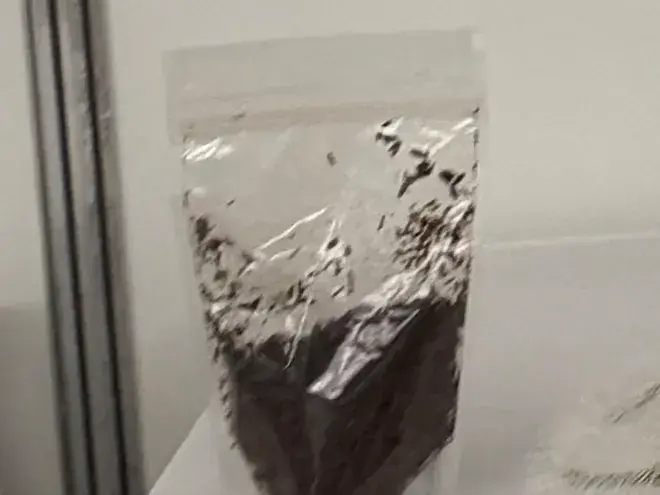
  6. A bag of treated rice husks on an exhibition table

    06Help it take hold

    Treated rice husks for farm soil

See all exhibits and prototypes

Removing fouling, and helping life take hold

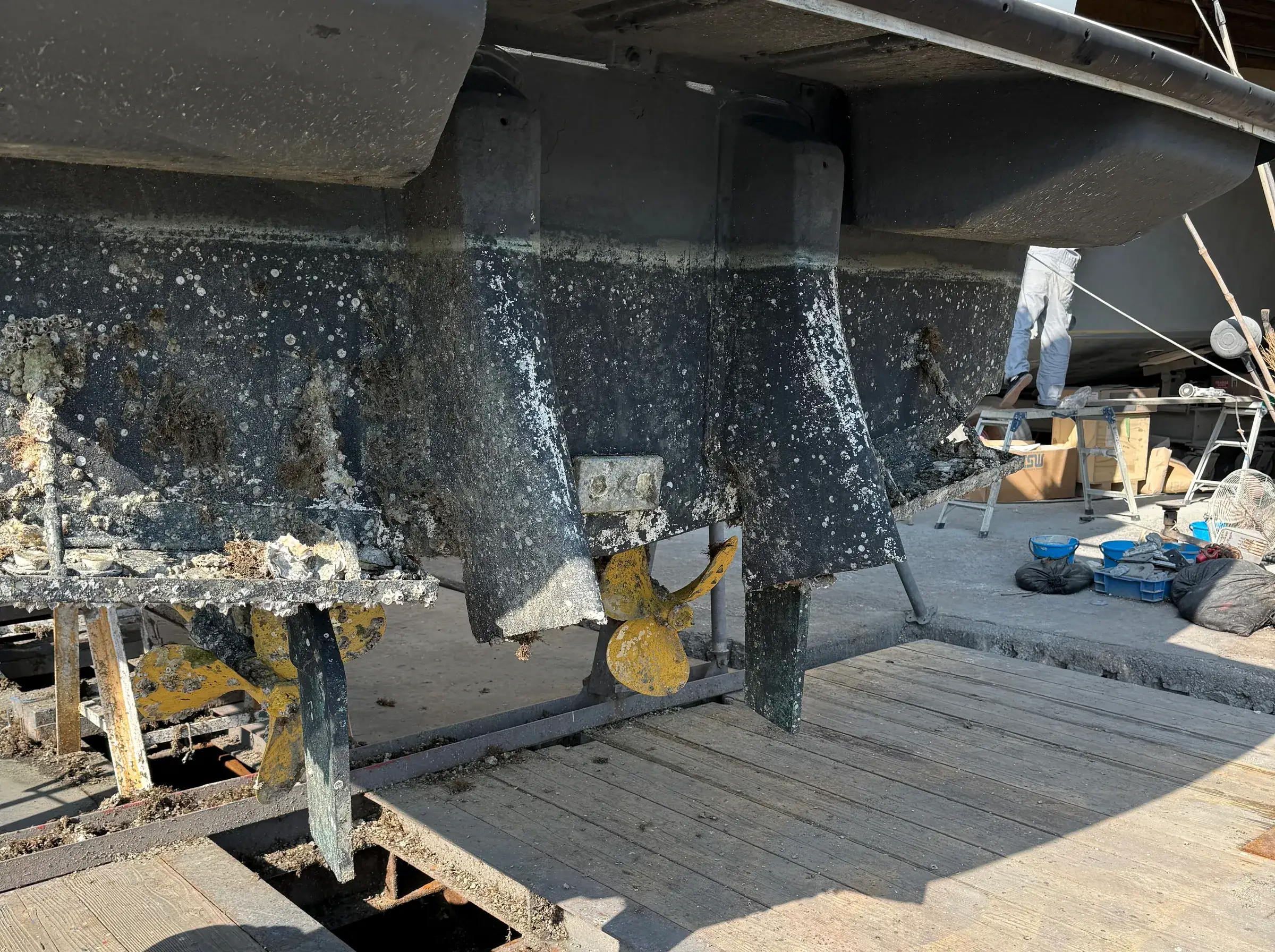
The bottom of a boat out of the water, with shellfish and algae thick around the propeller and rudder

Our prototype underwater drone (ROV) is on the Take it off page.

Go to Take it off
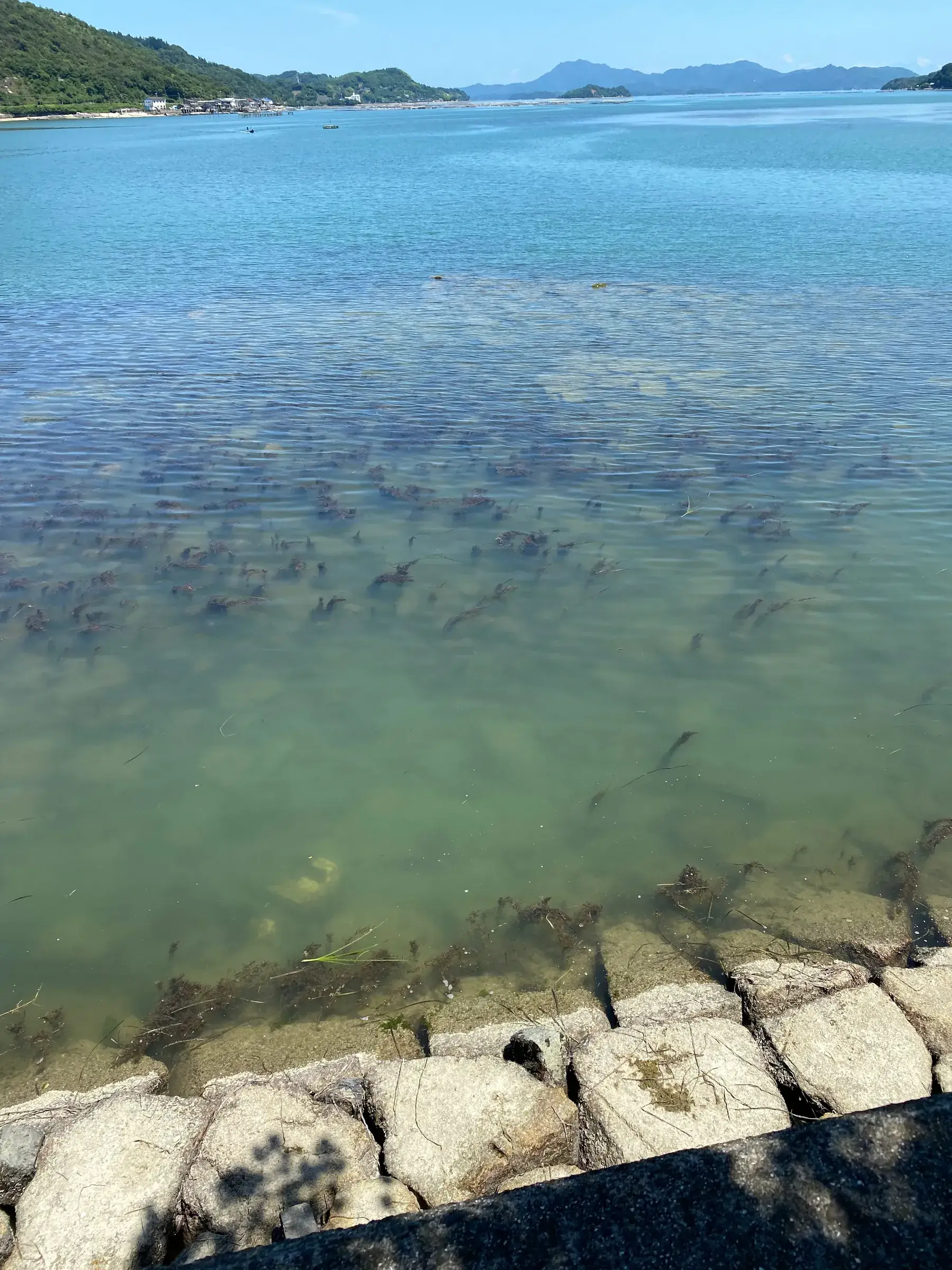
Clear shallow water by a sea wall, with underwater plants growing thickly on the bottom

Surfaces that seaweed and microbes take hold on — seagrass beds, seaweed, farm soil and greening — are on the Help it take hold page.

Go to Help it take hold

Something you want to stick, or to stay off? Start with the material — talk to us.

Talk to us